


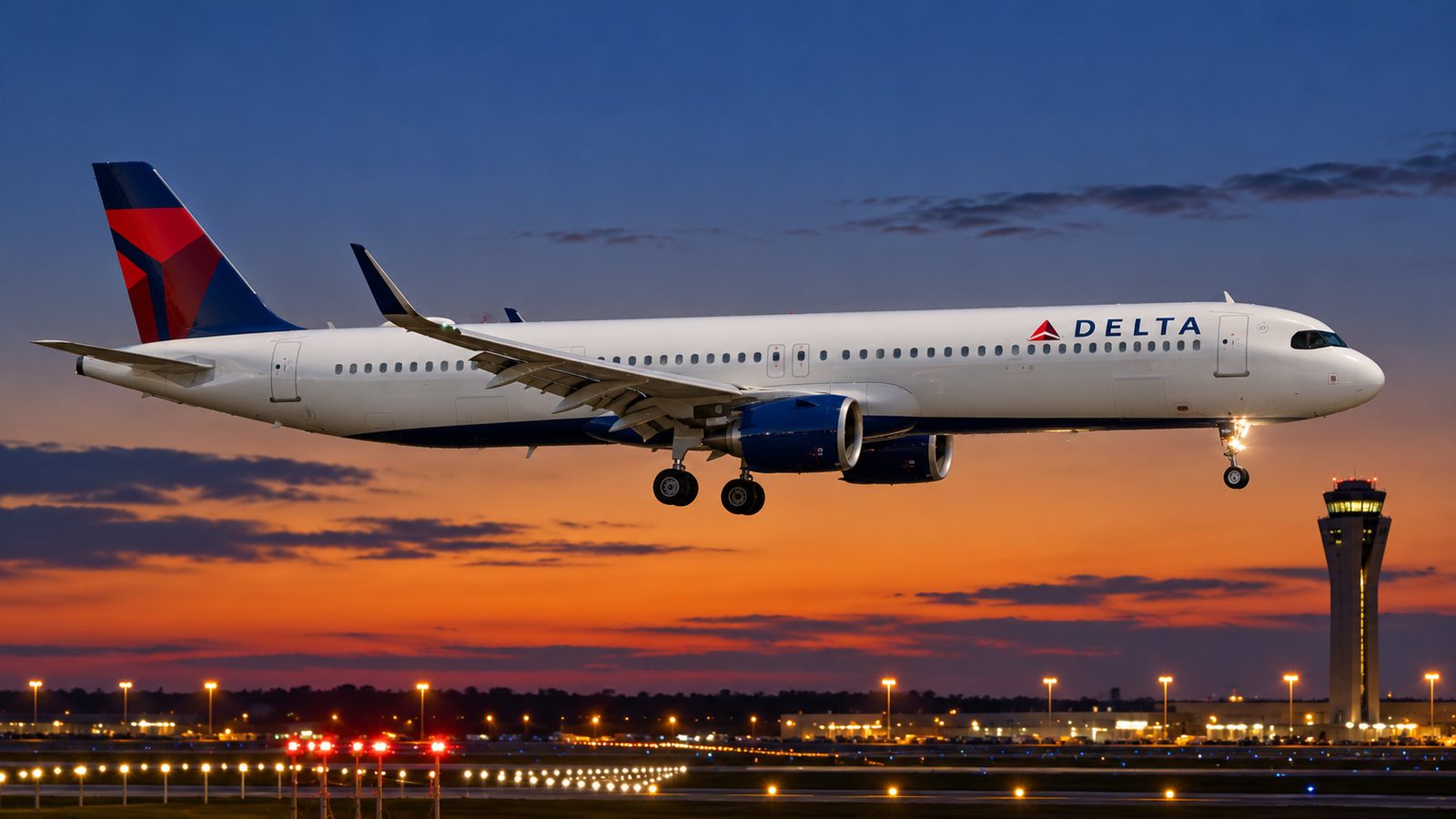
A Delta Air Lines Boeing 737-900ER was forced to abort its takeoff at Philadelphia International Airport after the aircraft's right engine experienced a failure during the takeoff roll, according to reports. The crew followed standard emergency procedures, bringing the aircraft to a safe stop on the runway before passengers were deplaned. Emergency services responded to the scene as a precautionary measure.
The incident highlights the critical importance of engine monitoring systems and crew training during the high-stress takeoff phase, when aircraft are most vulnerable to catastrophic outcomes if a failure is not handled swiftly. An aborted takeoff, or rejected takeoff, requires pilots to make a split-second decision, typically below the V1 speed threshold, to safely halt the aircraft before it becomes airborne.
Delta Air Lines has not yet released the specific flight number, aircraft registration, or a detailed statement regarding the cause of the right engine failure. Investigators will likely examine engine maintenance records, bird strike possibilities, and mechanical data from the aircraft's onboard systems to determine the root cause of the malfunction.
The Boeing 737-900ER is one of the longest variants in the 737 Next Generation family, capable of carrying up to 180 passengers in a typical two-class configuration. Delta operates a significant number of 737-900ERs across its domestic and short-haul international network, making the type a workhorse of the airline's fleet.
No injuries have been reported among passengers or crew at this stage. Delta is expected to issue a formal statement as the investigation progresses, and aviation safety regulators are likely to open a formal review of the incident.
Compiled from publicly available aviation news sources. Featured image: AI-generated by AviationShop. This article is original editorial content; facts have been verified across multiple public sources.










Comments
Loading comments…