


Saudia has taken delivery of its first Airbus A321XLR, marking a significant milestone for the Saudi Arabian flag carrier as it becomes one of the earliest operators of the next-generation narrowbody aircraft. The delivery represents a major step forward in Saudia's long-haul narrowbody strategy, with the airline configuring its new jet with 24 business-class suites alongside economy seating — a premium-forward layout that signals the carrier's intent to compete on thinner international routes where widebody economics are difficult to justify.
The A321XLR, which stands for Extra Long Range, is Airbus's latest evolution of the A321neo family and is capable of flying up to approximately 8,700 kilometres, enabling point-to-point routes that were previously unserved or required a connecting hub. For Saudia, this opens the door to operating longer thin routes from Jeddah and Riyadh to secondary European and African cities without the fuel and crew costs associated with widebody operations.
The 24-seat business-class cabin is a notable differentiator for the aircraft type, which competes directly with Boeing's 737 MAX family on short-haul sectors but distinguishes itself through its extended range capability. Saudia's decision to invest heavily in the front cabin on a narrowbody platform suggests the airline is targeting time-sensitive business and premium leisure travellers on routes that may not warrant a full widebody deployment.
Airbus has seen strong demand for the A321XLR from carriers across Europe, the Middle East, and Asia, with the type entering service for the first time with Iberia in 2024. Saudia's delivery adds to the growing operator list and reinforces the Gulf region's appetite for fuel-efficient, long-range narrowbody aircraft as carriers look to manage operating costs while expanding their route networks.
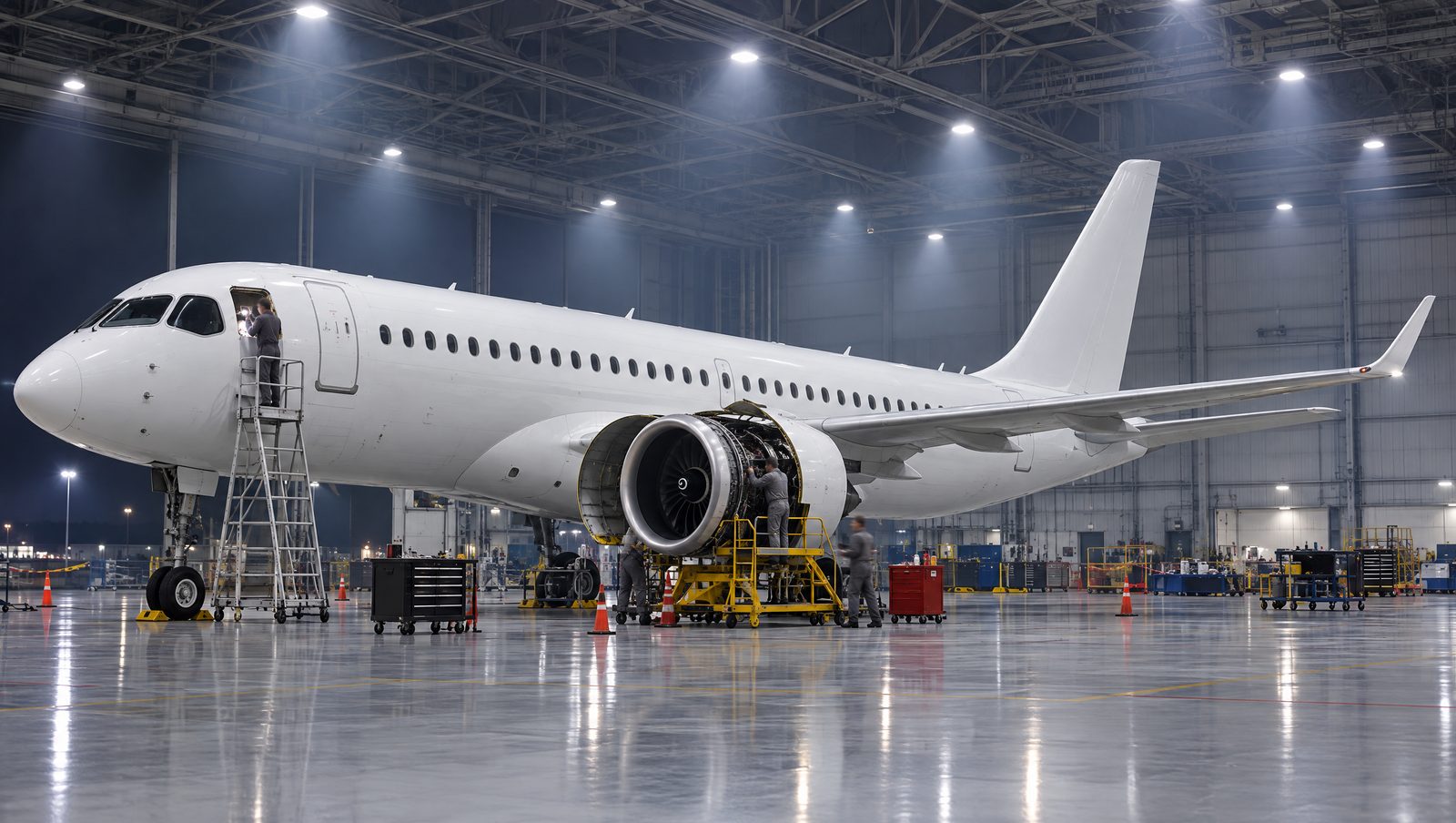
Compiled from publicly available aviation news sources. Featured image: AI-generated by AviationShop. This article is original editorial content; facts have been verified across multiple public sources.









Comments
Loading comments…