


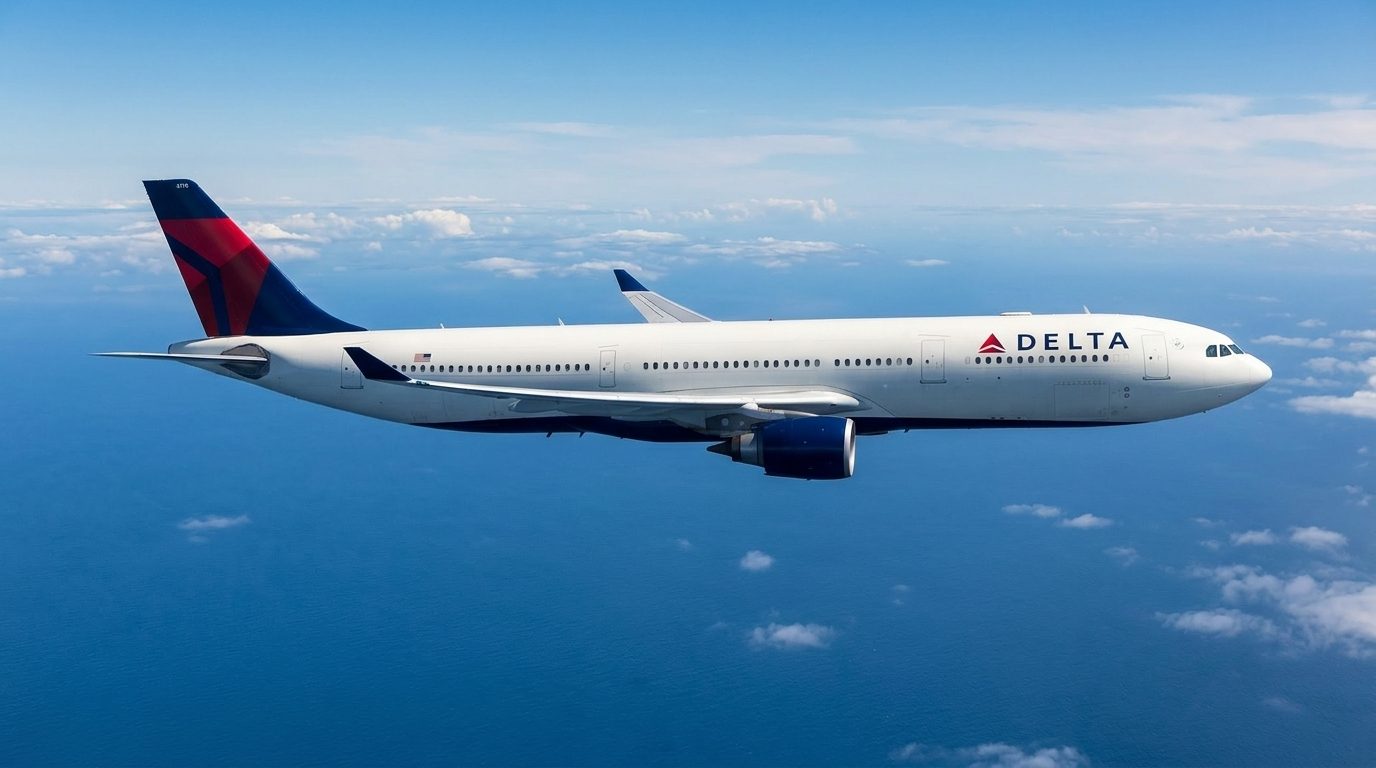
Delta Air Lines is simultaneously expanding and contracting its Austin network, launching new daily nonstop service to San Jose from 6 October 2026 while discontinuing two existing routes from the Texas capital. The carrier will operate the new Austin-San Jose flights using Airbus A319 aircraft, adding a connection between Austin's growing tech corridor and Silicon Valley's innovation hub. This strategic move underscores Delta's continued focus on point-to-point connectivity in high-demand markets, even as operational pressures force difficult route-elimination decisions elsewhere.
The new service begins just one day after Delta's final nonstop flights on two other Austin routes — Austin–Memphis and Austin–New Orleans — both ending 5 October 2026, signaling a broader network optimization across the carrier's system. The timing reflects the complex calculus airlines face when rebalancing capacity: growth in profitable markets often necessitates withdrawal from underperforming segments. For Austin, the new San Jose service represents recognition of demand between two technology-driven cities, where business travel and tech-sector connectivity command premium yields. The A319, a narrow-body aircraft seating approximately 150 passengers in typical configurations, is well-suited for this market segment, offering fuel efficiency on transcontinental routes while maintaining adequate capacity for point-to-point demand.
Austin's airport has become increasingly competitive terrain for network carriers. Delta's simultaneous Austin–Memphis and Austin–New Orleans cuts suggest the airline is consolidating its Austin footprint around higher-demand destinations. Southwest Airlines will become the only carrier offering nonstop service on both routes, while Delta plans to retain select Austin–New Orleans flights on a four-weekly basis between 12 and 16 November. The San Jose connection fills a gap in Southwest Texas connectivity to the West Coast tech sector, where demand has historically outpaced supply. A319 operations on this route allow Delta to right-size capacity for market conditions while maintaining service frequency sufficient to compete with low-cost carriers and other legacy network operators.
The broader context of these moves reflects industry-wide challenges post-pandemic. Network carriers like Delta are recalibrating route portfolios to align with actual demand patterns, which have shifted significantly since 2020. Regional business travel corridors have proven more resilient than expected, while some secondary markets have underperformed historical baselines. Austin's continued growth as a tech and business hub makes it strategically valuable, but not every connection from the market justifies capacity commitment. The October timeline for route cuts suggests Delta is aligning scheduling with peak fall travel season, a common practice when discontinuing service.
For passengers and the aviation community, these changes illustrate the delicate balance carriers must maintain. The Austin-San Jose launch benefits travelers seeking direct connectivity between two major metropolitan areas without the operational friction of connections. The A319 is a proven platform on this route length, offering reasonable block times and competitive economics. However, the simultaneous route eliminations underscore that capacity is finite; every aircraft deployed to a new market represents a decision to reduce service elsewhere in the system.
Delta's network strategy has long prioritized connectivity in growing markets and premium leisure demand, and these moves align with that approach. Austin has strengthened as a Delta destination, and the route cuts reflect a redeployment of aircraft to higher-priority markets. The San Jose addition positions Delta to capture business and leisure traffic between Austin and Silicon Valley, markets where yield potential justifies year-round service investment.
The October implementation date for route suspensions provides advance notice to affected passengers and stakeholders. For Austin's business community, the new West Coast connectivity offers operational advantages, particularly for companies with offices or clients in the San Jose area. The A319 deployment ensures service sustainability and profitability on a route where demand economics must justify daily or near-daily frequency in a competitive environment.
Sources: Simple Flying, KXAN Austin. Featured image: AI-generated by AviationShop. By Marco Bianchi.







Comments
Loading comments…