


Etihad Airways has launched scheduled service between Abu Dhabi and Dhaka, marking a significant expansion of the UAE carrier's network into South Asia. The new route will be operated by the Boeing 777, one of the airline's flagship wide-body aircraft, strengthening air connectivity between the United Arab Emirates and Bangladesh while enhancing trade and cargo links between the two nations.
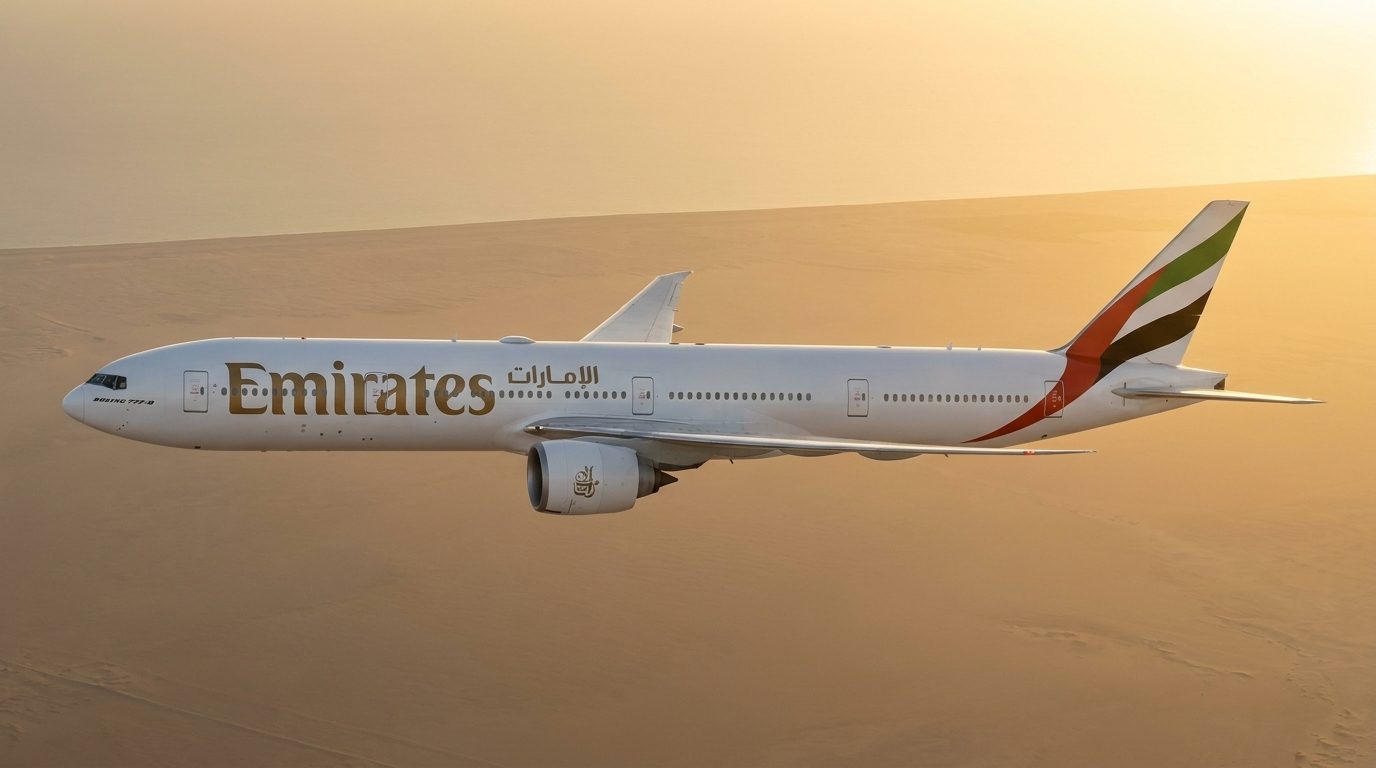
The Boeing 777 is ideally suited for this long-haul international route, offering a balance of range, capacity, and operational efficiency on transcontinental services. The aircraft, which first entered service in 1995, has become the industry standard for airlines seeking to operate profitable routes over distances between 5,000 and 9,000 nautical miles. With a typical seating configuration accommodating between 300 and 400 passengers depending on cabin layout, the 777 provides Etihad with flexible capacity to serve both passenger demand and cargo requirements on the Abu Dhabi–Dhaka corridor. The wide-body configuration also enables the airline to offer premium cabin products, differentiating service on a competitive regional route.
Bangladesh represents a growing aviation market in South Asia, with Dhaka's Hazrat Shahjalal International Airport serving as the primary international hub for the country. The route responds to increasing demand from Bangladeshi expatriates working in the Gulf region, business travelers, and freight forwarders seeking direct connectivity between the UAE and Bangladesh. Etihad's entry into the Dhaka market reflects the carrier's strategic focus on developing high-potential routes in South and Southeast Asia, regions with large diaspora communities and expanding commercial ties to the Gulf Cooperation Council states.
From an operational perspective, the introduction of this service diversifies Etihad's South Asian footprint and complements its existing network presence in the region. Abu Dhabi serves as the airline's primary hub, providing connectivity to a broad global network and offering passengers convenient onward connections throughout Europe, Asia, and beyond. The new Dhaka route leverages this hub advantage, positioning Etihad as a competitive alternative to other Gulf carriers and Asian network airlines serving the Bangladesh market.
The route launch also underscores the strategic importance of air cargo in Etihad's operations. Bangladesh is a major exporter of textiles, apparel, and agricultural products, creating demand for reliable, time-sensitive freight services to Gulf markets and beyond. The 777's substantial cargo capacity, combined with Etihad's established freight infrastructure in Abu Dhabi, enables the carrier to capture a share of the growing Bangladesh-UAE trade corridor. This dual-focus model—balancing passenger revenue with cargo operations—has proven increasingly valuable for long-haul carriers in the post-pandemic environment, where freight rates have supported route viability.
The Dhaka launch reflects broader industry trends in Gulf aviation, where carriers are expanding into underserved South Asian markets to drive growth beyond traditional hub-and-spoke models. As competition in primary markets intensifies, secondary and tertiary city pairs in high-growth regions like Bangladesh offer airlines opportunities to establish early-mover advantages before market saturation occurs. Etihad's commitment to the route demonstrates confidence in Bangladesh's economic trajectory and the airline's ability to profitably serve emerging markets with modern, fuel-efficient aircraft like the Boeing 777.
The service also aligns with the UAE's broader diplomatic and economic initiatives to strengthen bilateral ties with South Asian nations. Direct air links reduce travel friction, stimulate tourism and business investment, and support the movement of skilled workers between the two countries. For Etihad, the Dhaka route exemplifies how strategic route expansion in high-potential markets can generate sustainable competitive advantage while contributing to economic development objectives across the airline's network footprint.
Sources: Etihad Airways & Time Out Abu Dhabi. Featured image: AI-generated by AviationShop. By James Holloway.



Comments
Loading comments…