


easyJet has rejected Castlelake's fourth takeover bid valued at £4.9 billion, continuing a prolonged acquisition saga that has seen the investment firm submit multiple proposals to acquire the UK-based budget carrier. The rejection marks the latest chapter in negotiations between the airline and the US-based investment firm, which has persistently pursued easyJet despite previous rebuffs at lower valuation levels.
According to reports from mid-June 2026, easyJet's board determined that Castlelake's £4.9 billion offer remains insufficient and does not adequately reflect the airline's strategic value. The carrier has signaled its willingness to engage with Castlelake at higher price points, effectively using the data access granted to the bidder as leverage to encourage an improved proposal. This approach is typical in contested M&A situations where target boards attempt to extract maximum shareholder value through controlled information disclosure and negotiation tactics.
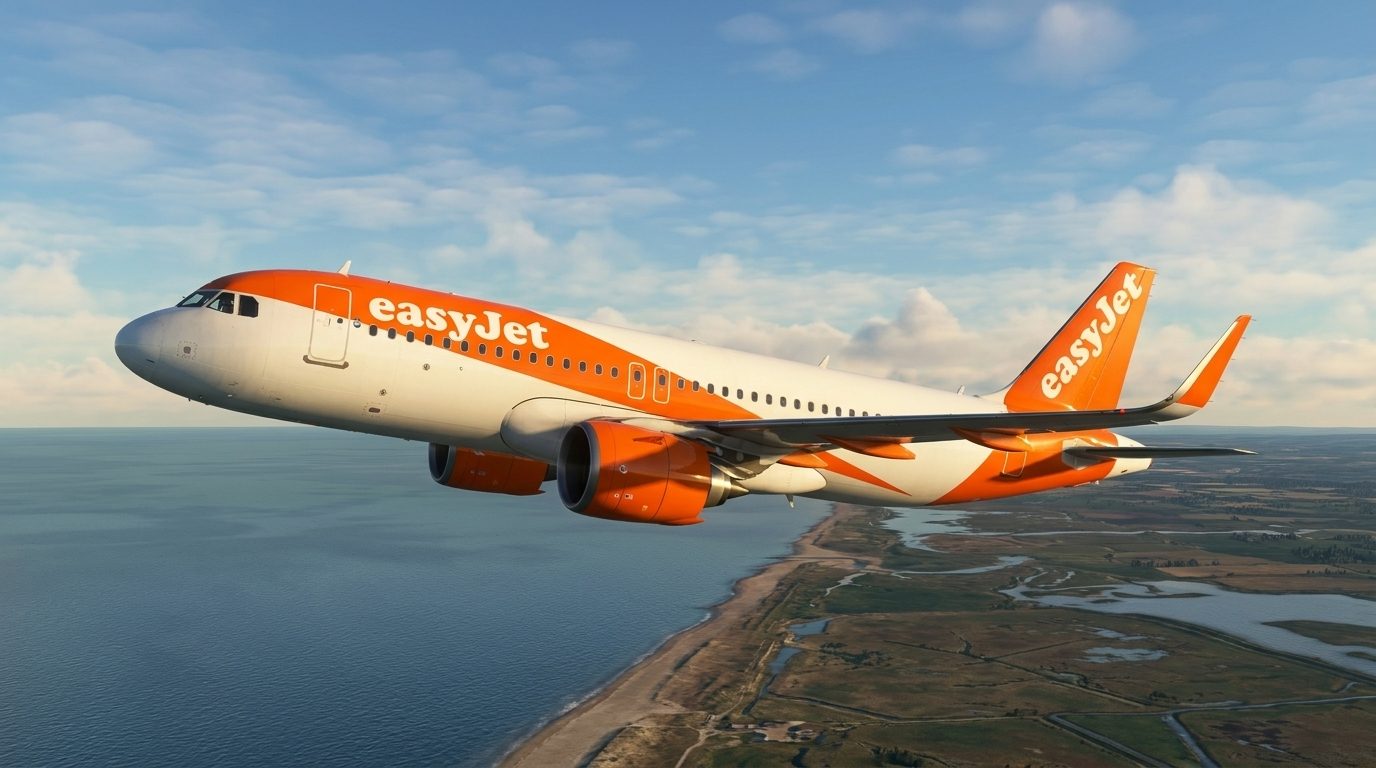
easyJet operates a fleet centered on the Airbus A320neo family, a modern, fuel-efficient narrow-body aircraft that forms the backbone of European short- and medium-haul operations. The A320neo's performance characteristics—lower operating costs, reduced emissions, and extended range—are core drivers of easyJet's profitability and competitive position in the high-volume European leisure and business travel market. Any successful acquirer would inherit one of Europe's most strategically positioned low-cost carrier networks, with significant ancillary revenue streams and established market presence across multiple countries.
The persistence of Castlelake's bidding approach, including this fourth attempt, underscores the financial and operational attractiveness of easyJet as an acquisition target. The airline controls valuable slots at congested European airports, maintains established relationships with tour operators and corporate travel partners, and benefits from brand recognition across its operating markets. These assets, combined with a modern fleet and established cost structure, represent significant value for a buyer willing to pay a premium.
Takeover activity in the airline sector remains shaped by post-pandemic recovery dynamics, refinancing pressures, and consolidation trends among European carriers. easyJet's market position—profitable, operationally efficient, and with a modern aircraft fleet—makes it a rare target among regional airlines. The board's stance on rejecting lower offers reflects confidence in the carrier's standalone prospects and shareholder expectations for a transaction price that fully captures the airline's intrinsic value and growth potential.
The outcome of negotiations between easyJet and Castlelake will likely influence broader M&A sentiment in the European low-cost carrier sector. If Castlelake abandons its pursuit or the parties reach agreement at a higher price, the transaction could set a valuation benchmark for similar carriers. Conversely, a continued impasse may prompt both parties to pursue alternative strategies—easyJet focusing on organic growth and shareholder returns, and Castlelake redirecting capital to other aviation or infrastructure opportunities.
Takeover activity aside, easyJet's rejection of the £4.9 billion bid is classified as a developing story, with potential for further announcements as negotiations evolve. Shareholders, competitors, and aviation analysts will monitor subsequent bids, board statements, and strategic updates from the carrier. The outcome will likely carry implications for fleet planning, route development, and capital allocation decisions at easyJet and across the competitive landscape of European budget aviation.
Sources: FlightGlobal, Finance Monthly. Featured image: AI-generated by AviationShop. By Marco Bianchi.










Comments
Loading comments…