


By Daniel Okafor
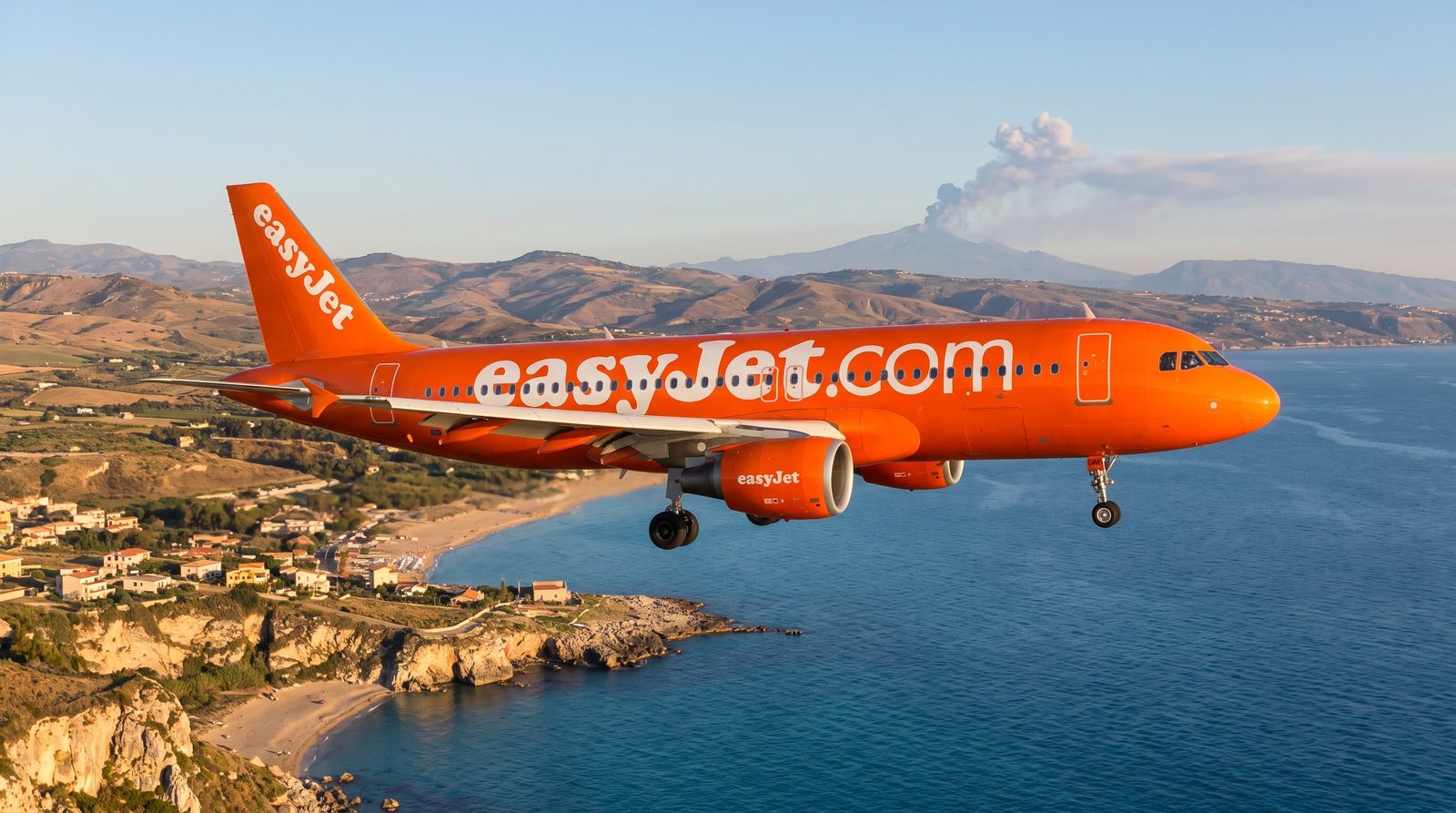
Catania Airport (CTA) in Sicily suspended arrivals and departures again on Tuesday, September 15, 2026 after Mount Etna pushed volcanic ash into nearby airspace, Aviation24 reported from Brussels. Airport operator SAC said the closure of airspace sectors B3 and C1 was extended, grounding the airport until 22:00 local time on the same evening. Flights scheduled into Catania were diverted, with Palermo among the primary alternate fields for aircraft that could not wait out the volcanic plume over eastern Sicily.
Italy’s National Institute of Geophysics and Volcanology raised the aviation alert level to red for the Catania sector. The ash plume reached about 4,000 metres and was drifting toward the Catania area as Etna produced near-continuous ash emissions from the Northeast Crater together with weak Strombolian activity at the summit. Red means ash is expected to pose a hazard to aircraft engines and windshields, so air traffic services keep the affected sectors closed until monitoring shows safer conditions for both arrivals and departures.
The shutdown is not a one-off for Sicily’s main tourist gateway this season. Only weeks earlier, a major August eruption diverted more than 600 flights and cancelled more than one-third of almost 2,000 operations during the worst stretch of that earlier event. Catania is Italy’s fifth-busiest airport and handles more than 12 million passengers a year, so even a same-day evening closure cascades through Italian domestic banks and European leisure waves that use the island as a turnaround point.
Low-cost and leisure carriers concentrate much of Catania’s scheduled traffic, which is why ash events hit summer and shoulder schedules especially hard for passengers and crews. Diversions to Palermo add coach transfers across the island, crew duty-time pressure, hotel costs and irregular-operations expenses that rarely appear in the first disruption bulletin issued to the public. Passengers holding evening tickets on September 15 faced either a Palermo arrival or a cancellation once SAC set the 22:00 local restart window for Catania.
The airport sits roughly 30 kilometres from Europe’s highest active volcano, a geography Italian officials revisit whenever Etna spikes and ash drifts toward the coast. Relocating a large commercial airport is not a short-term option for Sicily, so the operational answer remains the same: red alerts, sector closures, diversions, and waiting for the plume to clear or shift away from the arrival and departure corridors. That disruption pattern has now repeated twice in roughly a month according to local reporting.
Aviation24’s report does not invent airline-by-airline cancellation totals for September 15 beyond the airport-wide suspend-until-22:00 order and the Palermo diversion note published by the operator. For travelers, the actionable facts remain the red INGV alert, the B3 and C1 sector extension, the evening restart target, and the clear reminder that Etna ash can still empty Italy’s fifth-busiest runway with little notice when the wind pushes the plume toward Catania.







Comments
Loading comments…