


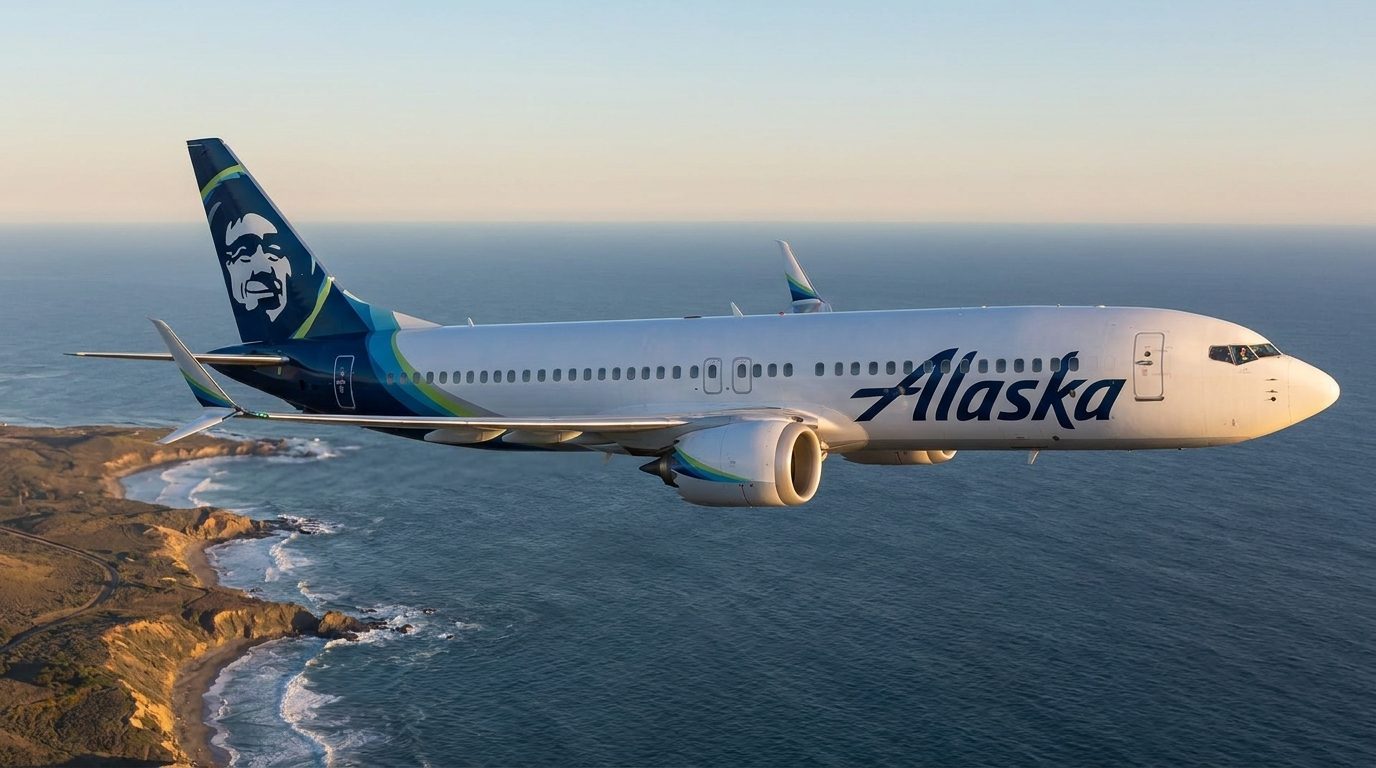
The U.S. Federal Aviation Administration will delay certification of Boeing's 737 MAX 10 while it evaluates a flight-management software problem on certain MAX aircraft, FAA Administrator Bryan Bedford said on September 28, 2026. Speaking at a press conference on air traffic modernization, Bedford said the agency had not yet concluded whether the issue is a safety-of-flight risk, but that approval of the largest MAX variant would wait until regulators are satisfied.
"We will be delaying the 10 until we're satisfied that we don't have an issue here," Bedford told reporters, according to CNBC, AeroTime and Leeham News coverage of the remarks. He identified GE Aerospace as the software supplier and said a correction could arrive relatively quickly, though he would not commit to days, weeks or months. Pilots remain in control of the airplane in the affected scenario, he added; the open question is workload after automated vertical navigation drops out.
Boeing disclosed the condition on September 26, saying pilots could lose automated vertical navigation after a specific missed-approach sequence. The company has notified operators, formed a Corrective Action Board and is developing a software update. In a statement after Bedford's comments, Boeing said it continues to follow the FAA's lead through certification. The pause comes less than two weeks after Boeing CEO Kelly Ortberg told investors that MAX 10 certification was expected "very soon," with flight testing complete and final documentation in work with the agency.
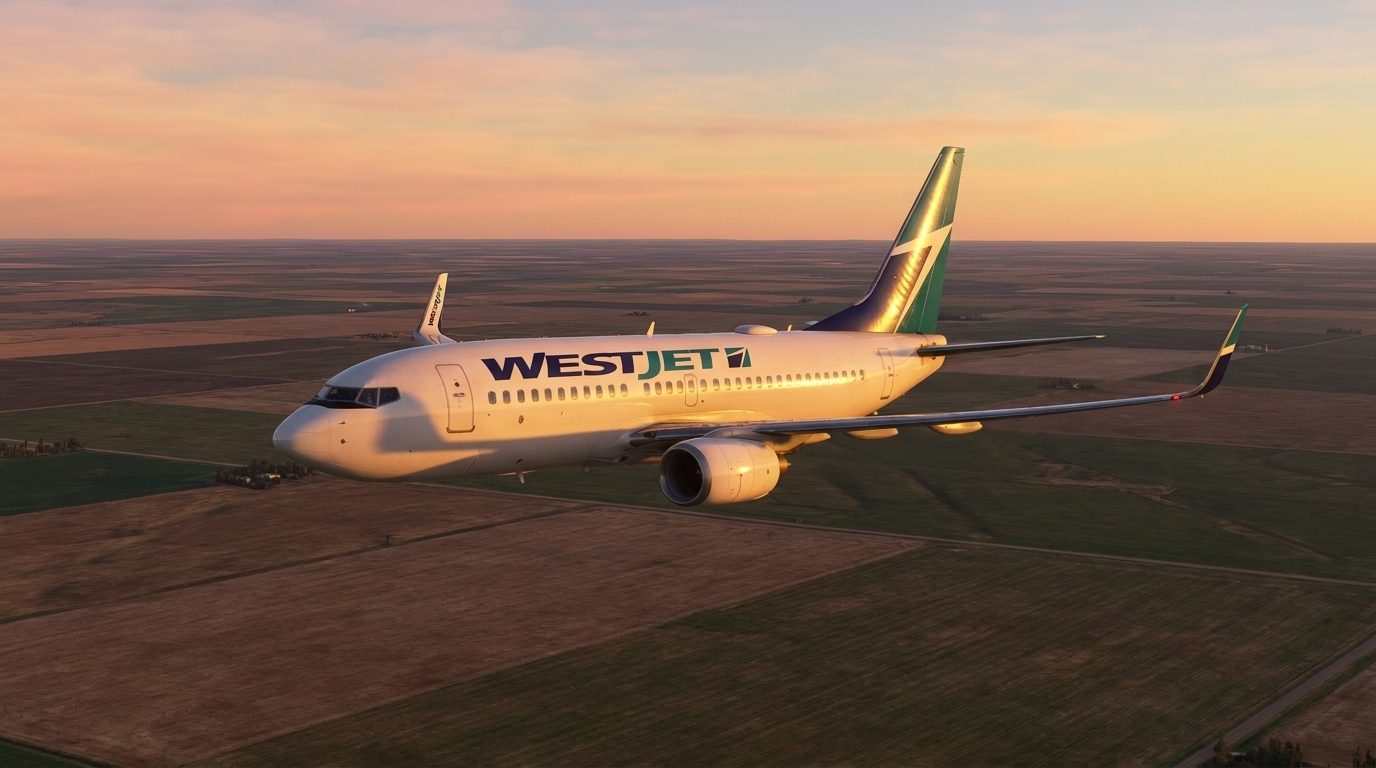
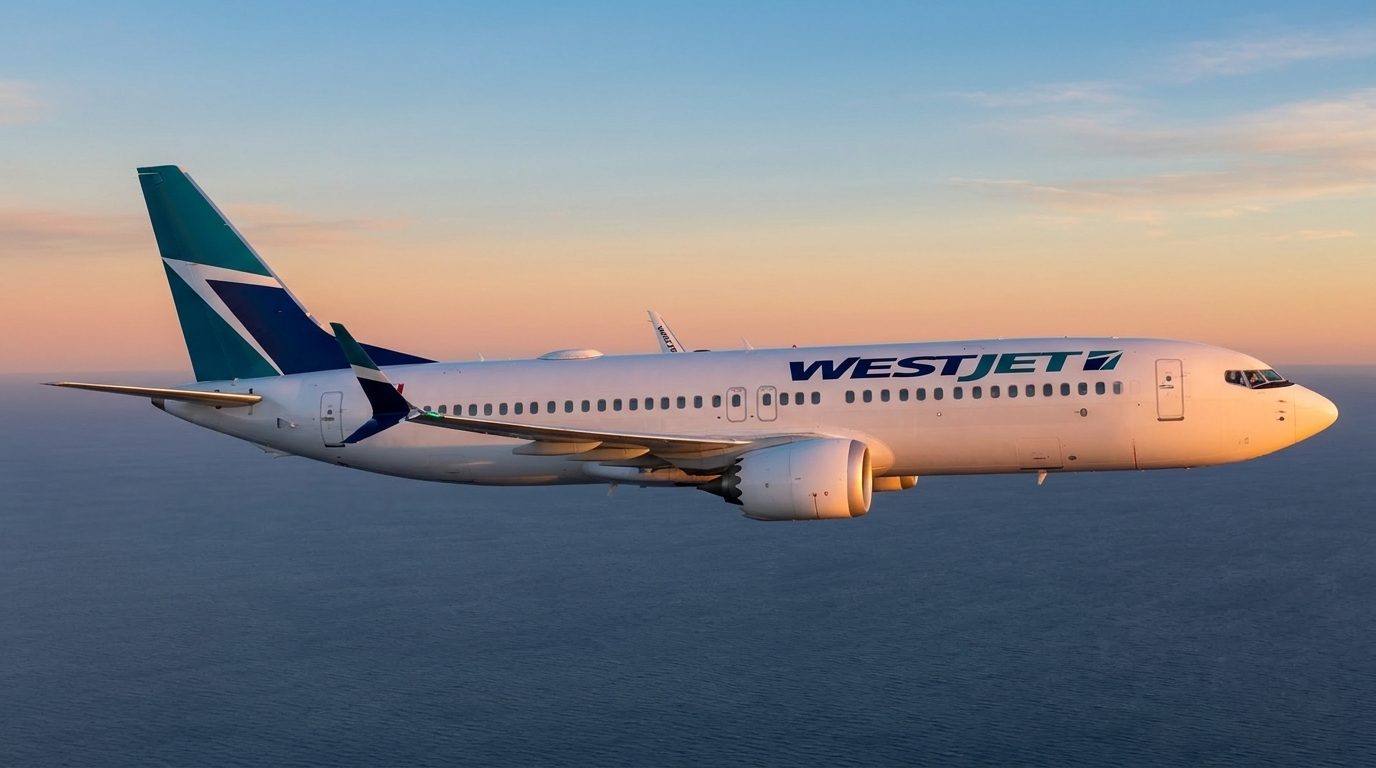
United Airlines and Alaska Airlines said none of their in-service MAX aircraft use the affected software versions. United said it is not accepting new deliveries fitted with the versions under review. WestJet said some of its MAX fleet does carry the software but reported no related in-service events and does not treat the issue as a safety concern, citing procedures and training. Southwest Airlines has similarly said its current fleet does not operate the U.14 software line under review.
The MAX 10 accounts for a large share of Boeing's outstanding MAX order book—about a third of remaining MAX orders by some Cirium-based tallies—and is intended to compete more directly with the Airbus A321neo. Boeing has already produced roughly a dozen MAX 10 airframes plus test articles, with production focused on the new North Line in Everett. Deliveries had originally been expected early this decade before certification of both the MAX 7 and MAX 10 slipped through years of regulatory and technical work.
The smaller MAX 7 received FAA certification on August 3, 2026, after changes that included a redesigned engine anti-ice system and flight-control software updates. That variant was certified with recent software, and Bedford's pause leaves open how MAX 7 deliveries—Southwest is the launch customer with dozens of airframes already built—could be sequenced while the agency finishes its review. Jefferies and other analysts have noted that not every MAX delivered since the late-2024 software wave carries version 14, which is why several major U.S. fleets report no exposure on aircraft already flying.
For airlines waiting on the stretched MAX, including Alaska, American, Lufthansa Group, WestJet and Vueling, the certification pause reopens schedule risk on a program that had appeared close to the finish line. Bedford said the FAA will take the time required; Boeing says engineers are already working the fix. Until the Corrective Action Review Board closes the issue, the MAX 10 remains one step short of an amended type certificate.
Comments
Loading comments…