


The Federal Aviation Administration on Monday, May 18, 2026, unveiled the largest reorganization in the agency's history, announcing a sweeping restructure designed to close safety gaps exposed by the fatal January 2025 midair collision near Ronald Reagan Washington National Airport. Transportation Secretary Sean P. Duffy and FAA Administrator Bryan Bedford detailed the new structure in joint testimony, framing it as a long-overdue overhaul of how the regulator handles risk, modernizes its airspace systems and integrates new technology.
At the center of the plan is a brand-new Safety Oversight office that will implement a single Safety Management System and unified risk strategy across the entire agency. For decades, safety metrics inside the FAA have been spread across siloed offices with their own dashboards and reporting culture, a structure the National Transportation Safety Board cited last year as one of the systemic failures behind the DCA helicopter-airliner collision. Under the new model, safety data will be shared in real time, with one accountable office responsible for the full picture.
The FAA is also creating an Airspace Modernization office tasked with delivering a replacement for the country's aging air traffic control system. The agency has been under bipartisan pressure to accelerate that work after a string of incidents in early 2026 exposed brittle radar and communications infrastructure. A third new entity, the Advanced Aviation Technologies office, will oversee the certification and integration of drones, electric vertical take-off and landing aircraft and other advanced air mobility vehicles into U.S. airspace.
Bedford told lawmakers the restructure is meant to eliminate the layers of internal bureaucracy that, in his words, slowed previous safety responses to a crawl. Reorganized leadership lines will report more directly to the Administrator, and several deputy roles are being merged. Industry groups including Airlines for America welcomed the move, although some union leaders cautioned that any reshuffle must be paired with new hiring to address a controller shortage that still stands near 3,000 below targeted staffing levels.
For passengers, the immediate impact will be limited. The bigger story is that, more than a year after the DCA tragedy, the regulator is finally rewriting its own org chart. Whether that translates into a measurably safer national airspace will depend on execution over the next 18 to 24 months as the new offices stand up and budgets are reallocated.
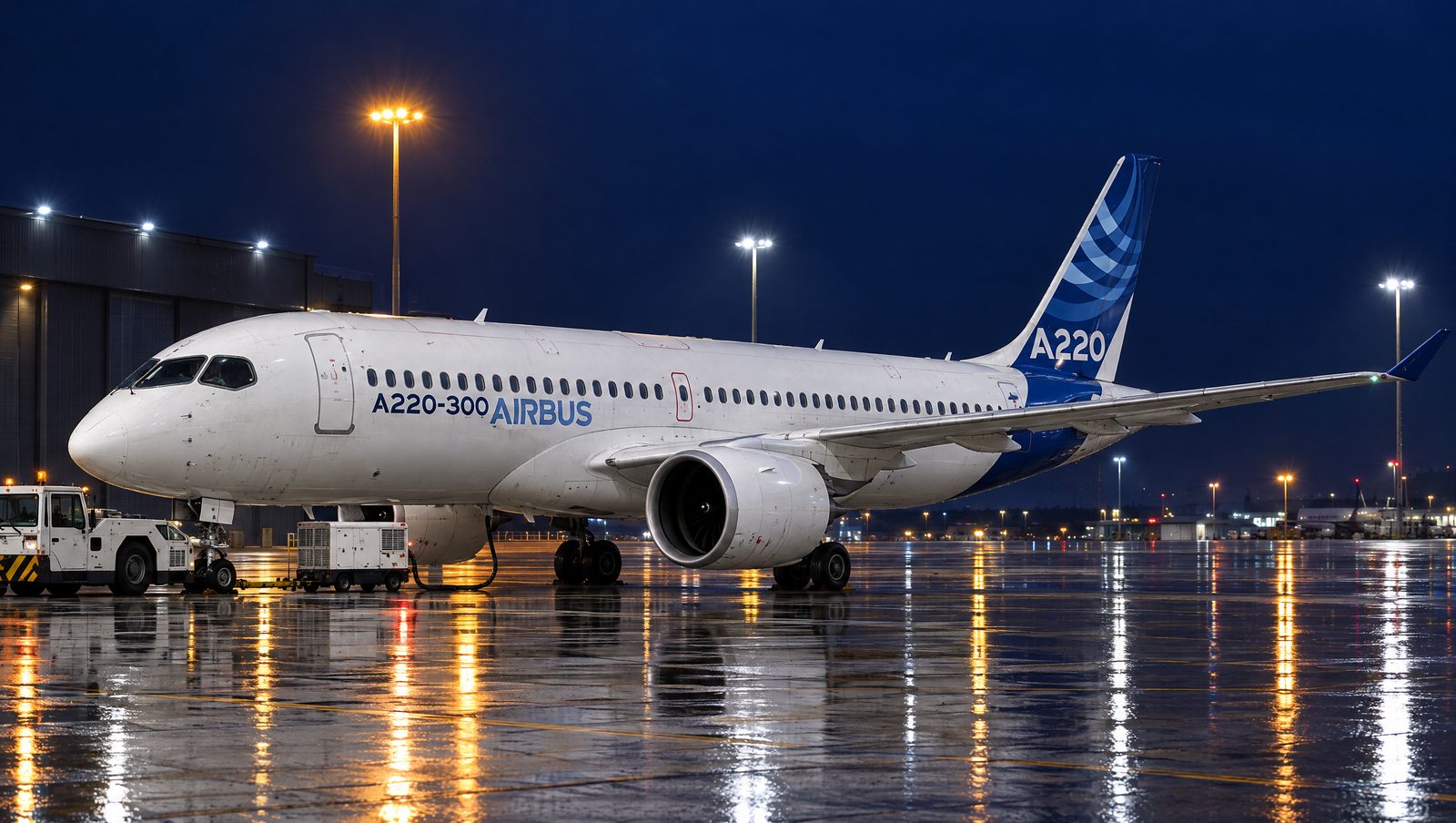
Compiled from publicly available aviation news sources. Featured image: AI-generated by AviationShop. This article is original editorial content; facts have been verified across multiple public sources.

















Comments
Loading comments…