


Iberia has operated its first commercial flight equipped with free Starlink satellite internet connectivity, marking a significant milestone in the Spanish carrier's digital transformation and passenger experience strategy. The milestone flight utilized an Airbus A330-300, one of the airline's flagship wide-body aircraft used primarily on long-haul international routes where inflight connectivity has become an increasingly expected amenity.
The deployment of Starlink technology aboard Iberia's fleet represents a shift in how European carriers approach premium connectivity. Unlike traditional air-to-ground or satellite systems that often require subscription fees or tiered access, Starlink's integration enables Iberia to offer high-speed internet connectivity at no additional cost to passengers. This approach directly challenges the legacy model where inflight Wi-Fi has historically been monetized as a revenue stream, signaling changing competitive dynamics in the transatlantic and long-haul market segments where passenger expectations have evolved substantially over the past five years.
The Airbus A330-300 selected for this operation is a twin-engine, wide-body aircraft configured to carry between 250 and 380 passengers depending on Iberia's specific layout. The A330-300 is particularly well-suited for the installation of modern satellite connectivity systems due to its robust avionics architecture and electrical capacity. Iberia operates a significant A330 fleet as a backbone of its long-haul network, connecting Madrid's hub to destinations across the Atlantic, the Middle East, and Asia. The aircraft's proven reliability and widespread adoption across global carriers made it a logical platform for validating Starlink integration before potential rollout across Iberia's broader fleet.
From an operational standpoint, Starlink satellite internet operates independently of traditional ground infrastructure, delivering particular advantages on transoceanic routes where coverage gaps have historically been a limitation for conventional systems. The low-latency characteristics of Starlink's constellation enable practical use cases including real-time video streaming, video conferencing, and responsive web applications—capabilities that earlier generations of inflight connectivity could not reliably support. For Iberia passengers, particularly business travelers on premium cabin products, this represents a material quality-of-life improvement that directly correlates with seat-mile value and airline preference metrics.
The competitive landscape has accelerated around inflight connectivity as a differentiator. British Airways has also announced Starlink integration plans, indicating that major European carriers recognize the strategic imperative of offering seamless, high-speed internet without additional passenger charges. This trend reflects broader industry recognition that inflight Wi-Fi has transitioned from luxury amenity to baseline expectation, similar to the evolution of seatback entertainment systems in the early 2000s. Carriers that fail to offer competitive connectivity risk erosion in loyalty and market share, particularly among business travelers and premium leisure segments.
Regulatory certification and technical integration of Starlink terminals aboard commercial aircraft required coordination with aviation authorities to ensure that satellite communication equipment does not interfere with aircraft navigation, communication, or safety systems. The successful completion of Iberia's first revenue flight demonstrates that these certification pathways are now mature and repeatable, reducing barriers for other carriers pursuing similar implementations. This precedent may accelerate industry-wide adoption throughout European airlines and beyond.
Looking forward, Iberia's Starlink deployment likely represents the initial phase of a broader fleet modernization. The economics of offering free connectivity are compelling when amortized across thousands of annual flight hours and millions of passenger journeys. For Iberia, particularly as it competes for market share on transatlantic routes against well-capitalized US carriers and other European legacy airlines, the capability to guarantee high-speed internet connectivity at no cost represents both a marketing advantage and a structural competitive asset that will be increasingly difficult for rivals to counter without similar investments.
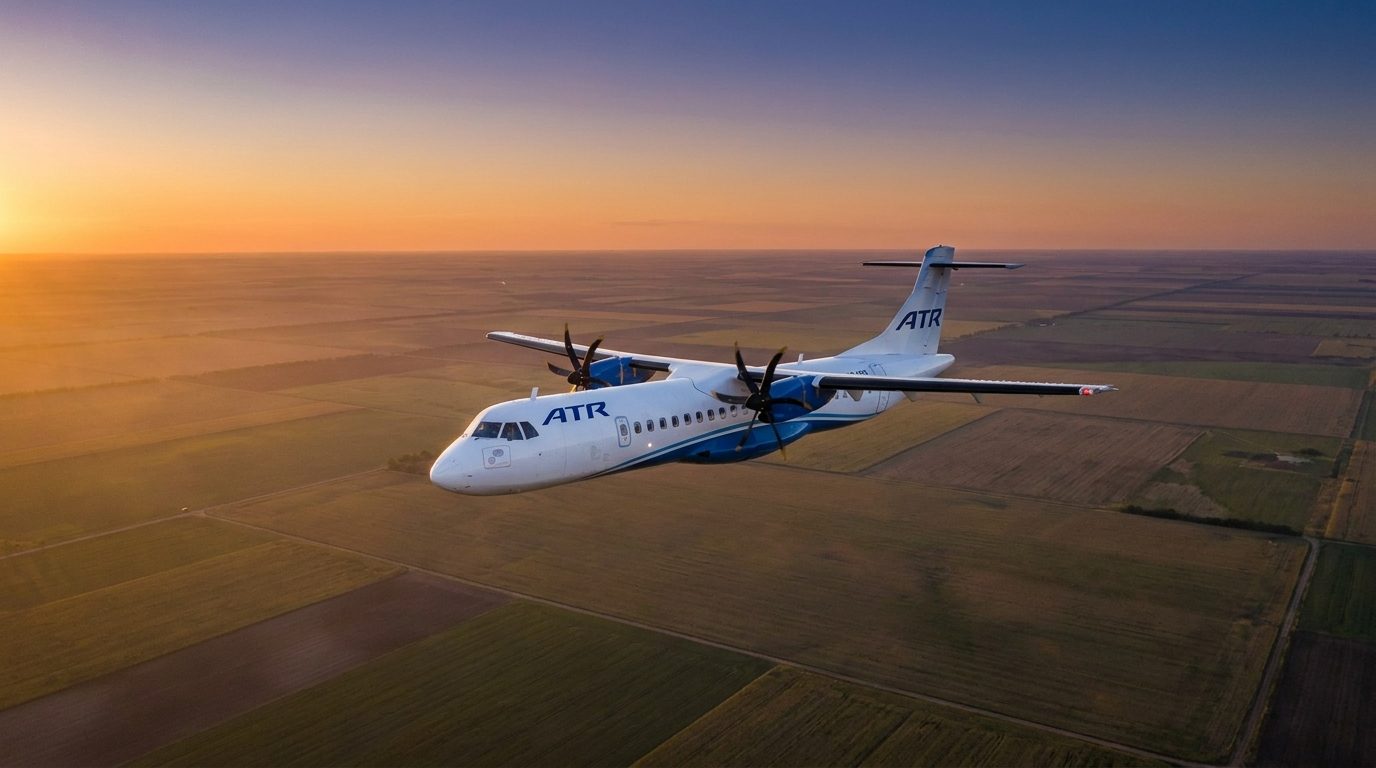
Sources: Simple Flying & AeroTime. Featured image: AI-generated by AviationShop. By Elena Vargas.


Comments
Loading comments…