


A KLM Cityhopper Embraer E195-E2 remains grounded at Göteborg Landvetter Airport in Sweden after the regional jet was struck by a bird shortly after departure and diverted as a precaution.
The aircraft, registered PH-NXL, had left Linköping City Airport at around 06:00 local time on Saturday, July 4, 2026, operating a scheduled service to Amsterdam Schiphol with 122 passengers on board. Soon after take-off, the crew reported a suspected bird strike and elected to divert to Gothenburg rather than continue across the North Sea.
The E195-E2 landed safely at Göteborg Landvetter, and no injuries were reported among the passengers or crew. However, the aircraft did not continue its journey and has remained on the ground at Gothenburg while it is inspected.
Magnus Grimhed, chief executive of Linköping City Airport, told Swedish newspaper Corren that the most likely cause of the incident was a bird strike. Bird strikes are among the most common hazards in commercial aviation, particularly during take-off and initial climb when aircraft are at low altitude and engines are operating at high power. While most strikes cause little or no damage, crews routinely treat them cautiously because a bird ingested into an engine or striking a critical surface can require a detailed inspection before the aircraft flies again.
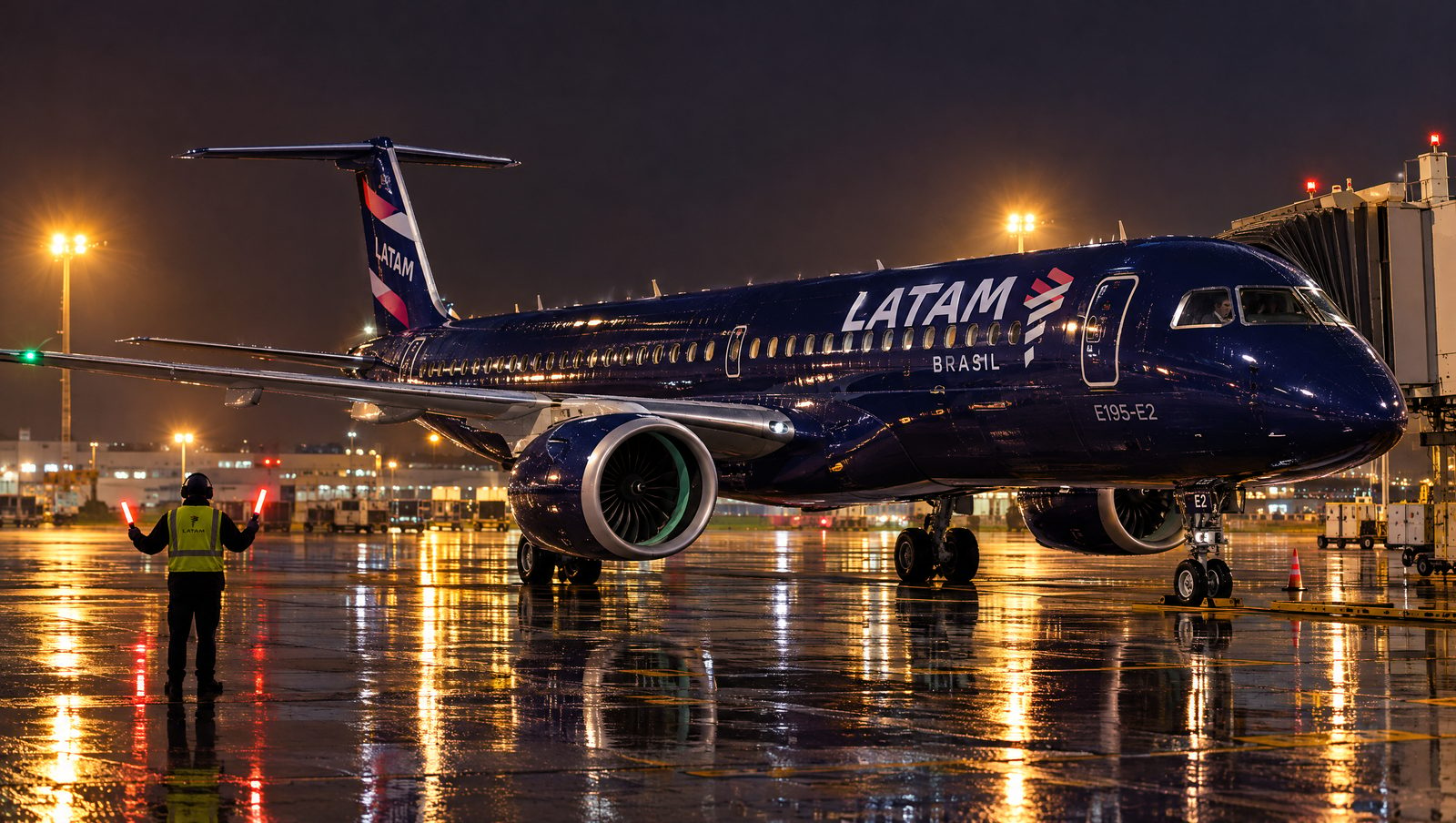
The Embraer E195-E2 is the largest member of Embraer's second-generation E-Jet family, seating roughly 120 to 130 passengers depending on configuration. KLM Cityhopper, the regional arm of KLM Royal Dutch Airlines, operates a growing fleet of the type on short- and medium-haul routes feeding the airline's Amsterdam hub.
Cityhopper's E195-E2 fleet has drawn attention over the past year because of wider industry issues with Pratt & Whitney's geared turbofan (GTF) engines, which have forced several operators to temporarily store aircraft while engines are inspected. The Gothenburg diversion, however, appears to be a separate, straightforward precautionary event linked to the suspected bird strike rather than a powerplant fault.
Passengers on the disrupted Linköping–Amsterdam service were expected to be rebooked while the airline arranged an inspection of the aircraft. KLM has not given a timeline for when PH-NXL will return to service, which will depend on the outcome of the checks.
Diversions of this kind rarely make headlines, but they underline how even a routine short-haul hop can be interrupted by a single bird encounter — and why airlines err on the side of caution when one occurs.
Sources: Aviation24. Featured image: AI-generated by AviationShop. By Elena Vargas.







Comments
Loading comments…