


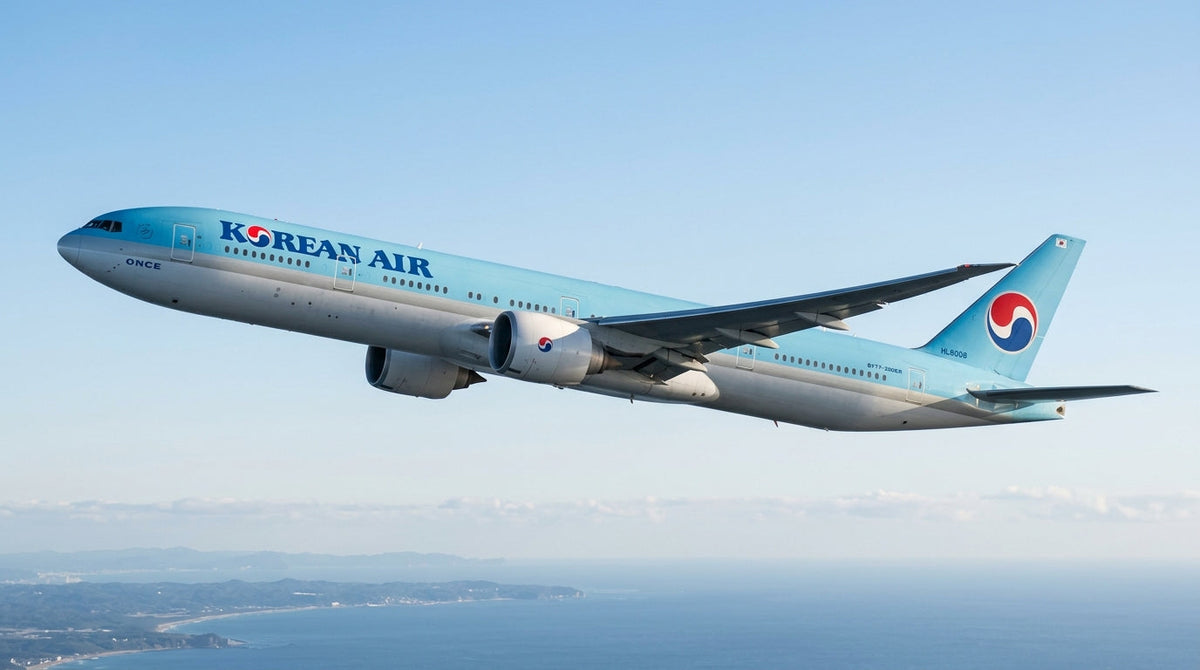
Korean Air and Delta Air Lines have expanded their seamless baggage transfer partnership to include Los Angeles and Seattle, allowing passengers traveling on the two carriers' codeshare routes to check bags through to their final destination without reclaiming them at intermediate stops. The expansion marks a significant step forward in reducing friction for connecting passengers on US-Korea routes, eliminating a historically cumbersome aspect of international travel where baggage handling at hub airports often required manual collection and re-check procedures.
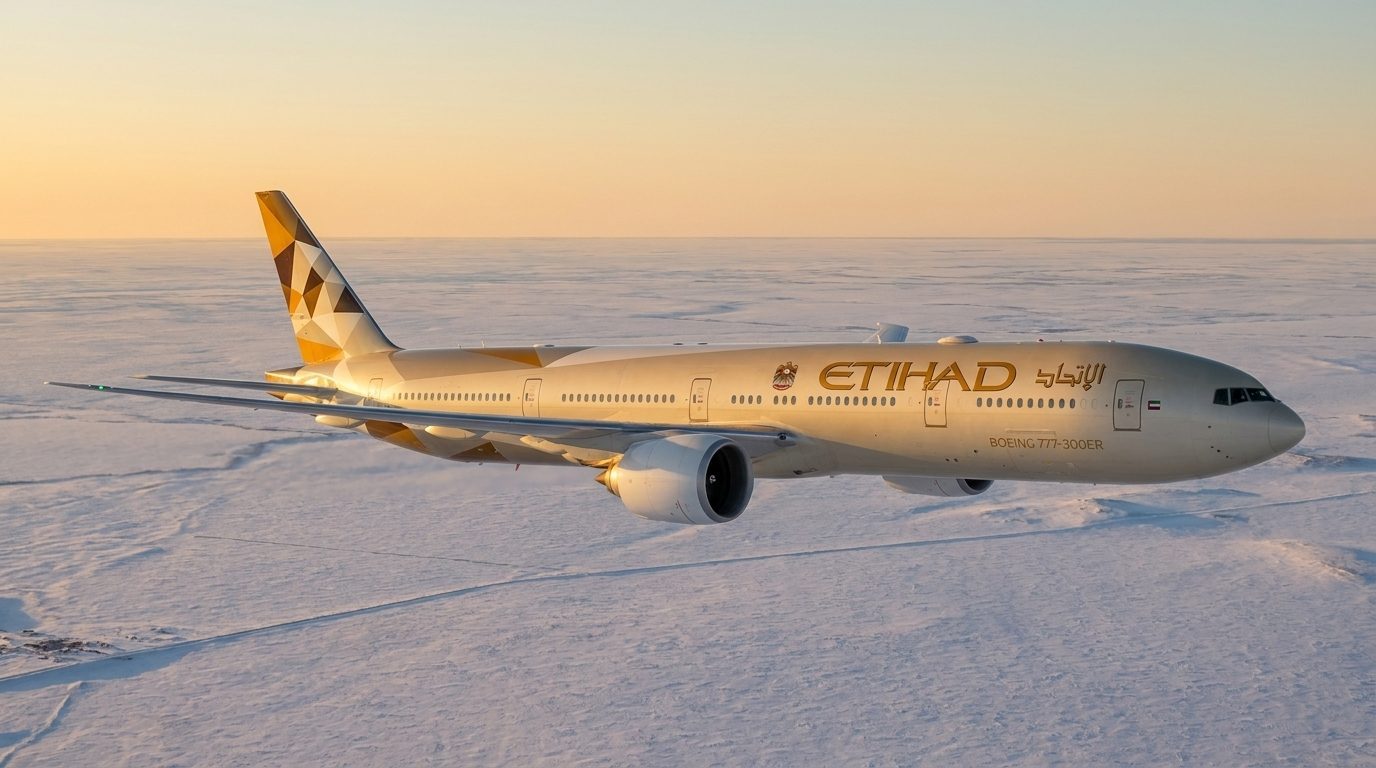
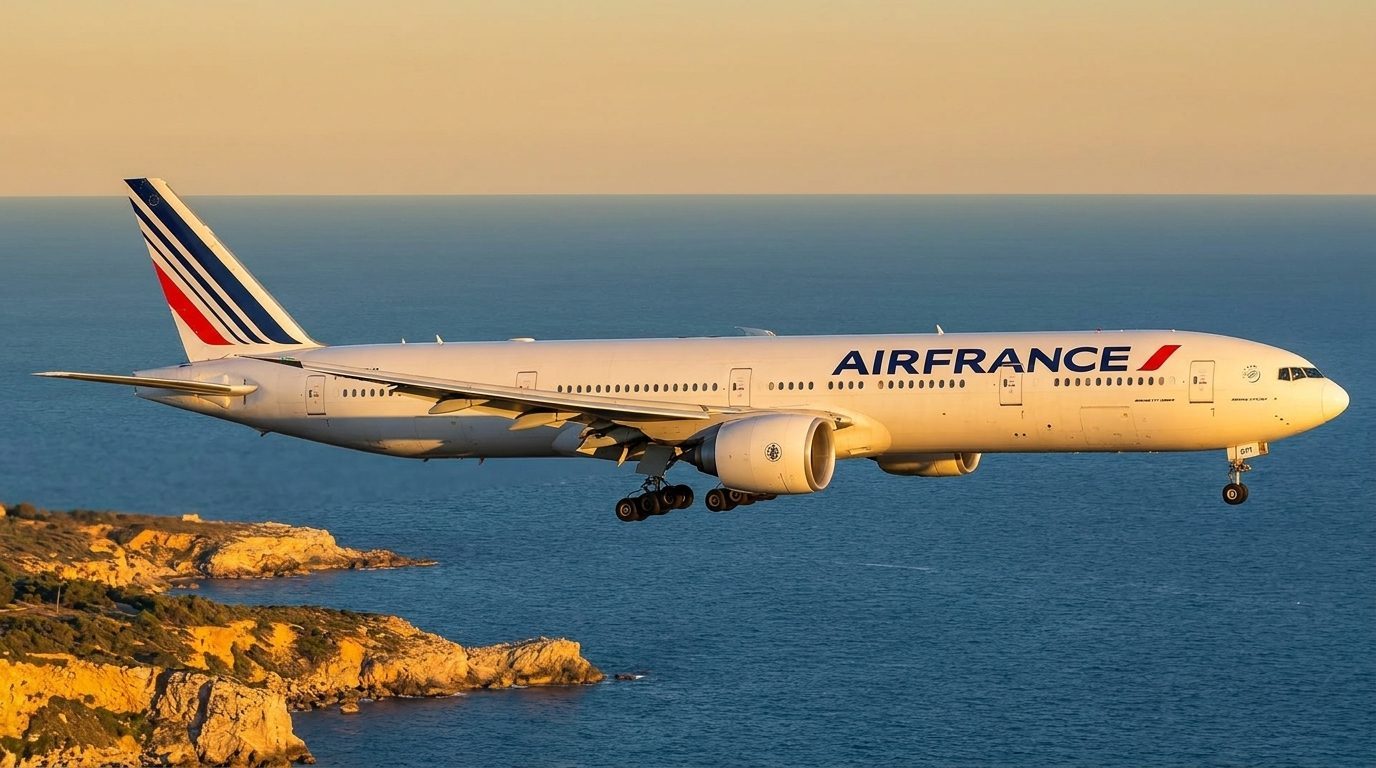
The partnership leverages Korean Air's Boeing 777-300ER widebody fleet, which operates the majority of the carrier's long-haul services between Incheon and major US gateways. The 777-300ER, with its wide single-deck cabin and high-capacity lower cargo hold, is well-suited to handle the baggage volumes generated by seamless transfer operations, where luggage from connecting flights must be sorted, routed, and loaded onto subsequent aircraft with minimal delay. Delta's hub operations in both Los Angeles and Seattle provide the necessary ground infrastructure and transfer capability to execute this operational model reliably.
Seamless baggage transfer has become an increasingly competitive differentiator in the airline industry, particularly on long-haul international routes where connection times and passenger convenience directly impact airline choice. By extending this service to Seattle and Los Angeles—in addition to previously announced coverage—Korean Air and Delta are addressing a major pain point for North American and Korean travelers. The system requires precise coordination between carriers' baggage handling systems, gate scheduling, and ground operations; airports must maintain dedicated baggage sorting facilities and fast-track handling protocols to ensure bags arrive on subsequent flights without delay.
For Korean Air, this expansion reinforces its hub-and-spoke strategy through Incheon, positioning the carrier as a preferred choice for connecting traffic between the US West Coast and destinations throughout Asia and the Middle East. The 777-300ER's high-capacity cabin and long-range capability enable the carrier to operate these routes efficiently while maintaining the capacity needed to absorb connecting passengers from Delta's domestic network. The codeshare relationship allows both carriers to feed traffic into each other's networks, creating broader destination coverage and reducing the operational burden of maintaining separate flight schedules.
From a passenger experience perspective, seamless baggage transfer eliminates multiple touchpoints in the journey: no need to locate baggage claim carousels, collect luggage, navigate to the connecting airline's ticket counter, and recheck bags. For travelers on tight connections between Los Angeles or Seattle and Asian destinations, this capability can be the difference between making a connection and missing it entirely. The system also reduces the risk of baggage misconnection, a significant cost driver for airlines operating hub operations.
The expansion to Los Angeles and Seattle complements Delta's broader strategy of enhancing its international product, particularly on Pacific routes where competition from Asian carriers and other US legacy carriers remains intense. Both airports serve as major West Coast gateways with significant Korean and Asia-bound traffic, making them logical candidates for seamless baggage initiatives. Korean Air's premium positioning and strong brand presence in North America support the carrier's ability to execute operationally complex partnerships like this one, which require sustained training, coordination, and quality assurance across multiple airports and ground teams.
The initiative also reflects broader industry trends toward automation and seamless travel experiences, where carriers increasingly invest in technology and process improvements to reduce passenger friction. As airlines modernize their ground infrastructure and adopt more sophisticated baggage tracking systems—including real-time RFID and automated sorting—seamless baggage transfer becomes more feasible and cost-effective to operate at scale. Korean Air and Delta's expansion suggests confidence in the sustainability of this operational model and its appeal to premium and economy passengers alike seeking hassle-free connections on premium international routes.
Sources: AeroTime, The Korea Times. Featured image: AI-generated by AviationShop. By Elena Vargas.


Comments
Loading comments…