


Norse Atlantic Airways and India's IndiGo have agreed to end their long-haul aircraft partnership early, with the arrangement now set to terminate on 1 November 2026. The two carriers said the decision was reached by mutual agreement after the commercial case for the tie-up weakened.
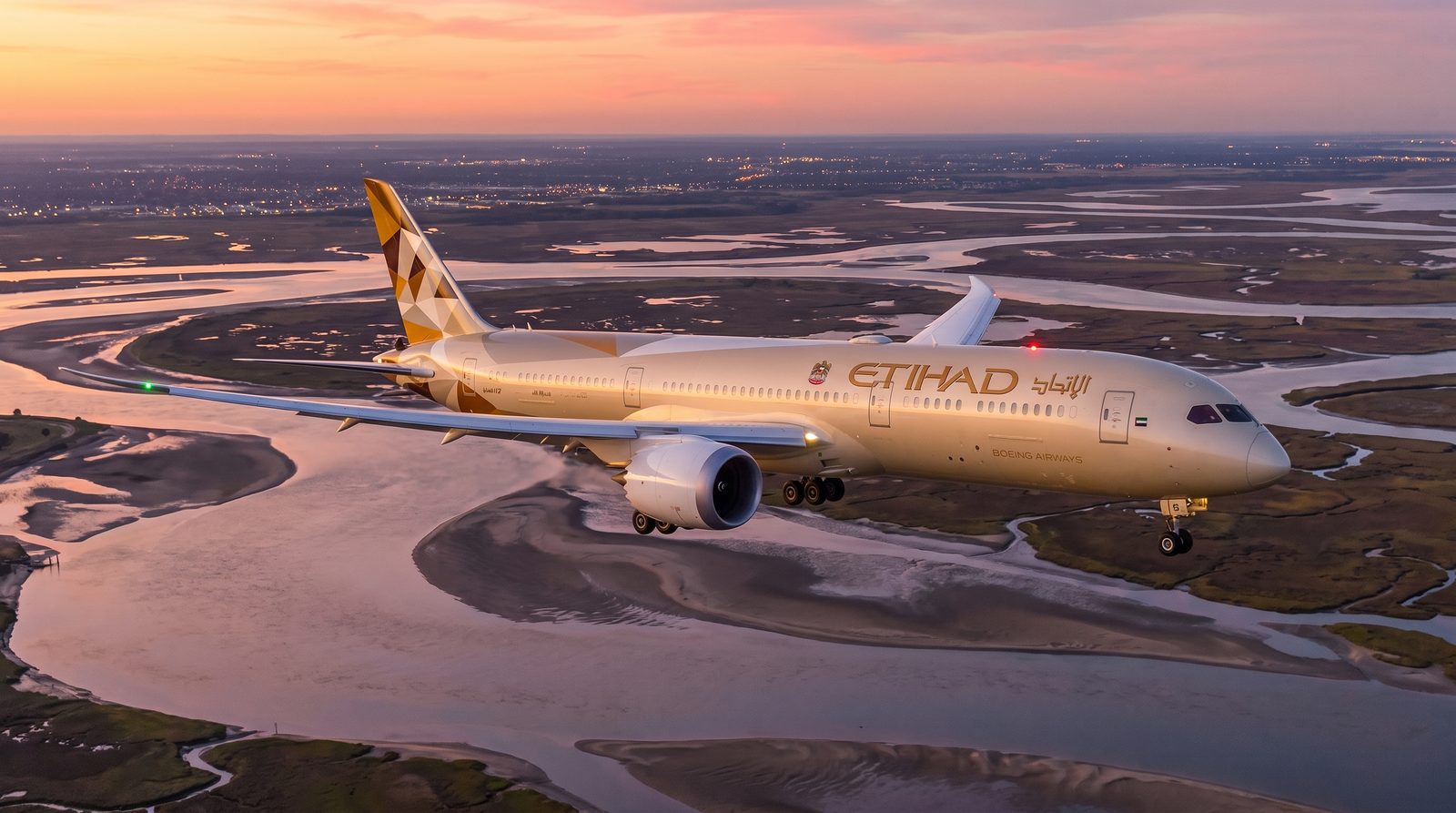
Under the deal, IndiGo had damp-leased six Boeing 787-9s from Norse Atlantic — an arrangement in which Norse supplied the aircraft, crew, maintenance and insurance while IndiGo sold the seats. The Indian budget carrier had already agreed to return one of the widebodies after dropping its route to Manchester, and the remaining jets will now follow.
Norse chief executive Eivind Roald pointed to conditions across the Middle East as the core problem. “There is no doubt that the elevated fuel prices, airspace disruptions and longer flight routes resulting from the Middle East conflict have affected the commercial viability of the arrangement for both parties,” he said. The carriers, he added, “jointly concluded that alternative deployment of the aircraft will be more commercially beneficial to both parties.”
The unwinding leaves both airlines rethinking their widebody plans. Norse says it is holding talks with several airlines about lease opportunities for up to five of the 787s, and intends to use part of the returning fleet on its own network — adding capacity on selected profitable routes such as New York and Orlando during the winter 2026-27 season.
For IndiGo, the end of the damp-lease means all of its widebody operations will cease from 25 October. The carrier says it will temporarily discontinue its London Heathrow service until its first Airbus A350-900s arrive, and will switch its Mumbai–Amsterdam service to Airbus A321XLRs in the meantime. IndiGo has 60 A350-900s on order and, at the time the agreements were struck, expected its first example in 2027.
IndiGo framed the Norse tie-up as a deliberate stepping stone. It said the damp-lease let it launch services to the UK and Europe while building “critical competencies” in long-haul network planning, crew operations and maintenance ahead of the A350's arrival. Even so, the airline acknowledged that the operating environment — particularly airspace closures and fuel prices — had changed considerably and driven a significant escalation in costs.
The Boeing 787-9 at the centre of the deal is a long-range Dreamliner widely used on thin long-haul routes, and Norse has built its business around a lean, all-787 fleet. Redeploying the returning jets onto its own transatlantic network, rather than leaving them with a partner, gives Norse more direct control over where that capacity earns its keep this winter.
The early exit underscores how quickly the economics of long-haul flying between India and Europe have shifted, and how carriers are recalibrating fleet strategy around fuel costs and rerouting rather than pushing ahead with arrangements that no longer add up.
Sources: FlightGlobal, aviation24. Featured image: AI-generated by AviationShop. By James Holloway.


Comments
Loading comments…