


The Qantas Group has opened a new Emergency Procedures Training Centre at its Mascot campus in Sydney, part of an AU$100 million (about US$65 million) investment in pilot and cabin crew training facilities across Qantas and Jetstar. The centre will be used to train more than 10,000 Qantas, Jetstar and QantasLink pilots and cabin crew each year.
What is inside
The 6,300-square-metre building brings widebody and narrowbody training under one roof. It houses replica aircraft cabins fitted with seats and galleys so that crew can rehearse a range of onboard scenarios in a realistic environment, rather than in a classroom mock-up.
There are door trainers covering eight different aircraft types, a multi-storey escape slide with rafts, a virtual reality training area, and classrooms spread across two floors. The Sydney facility is one of seven Qantas Group training sites now operating in Australia, including a second Emergency Procedures Training Centre in Perth that opened in March 2026.
Seven new simulators — including an A350 first
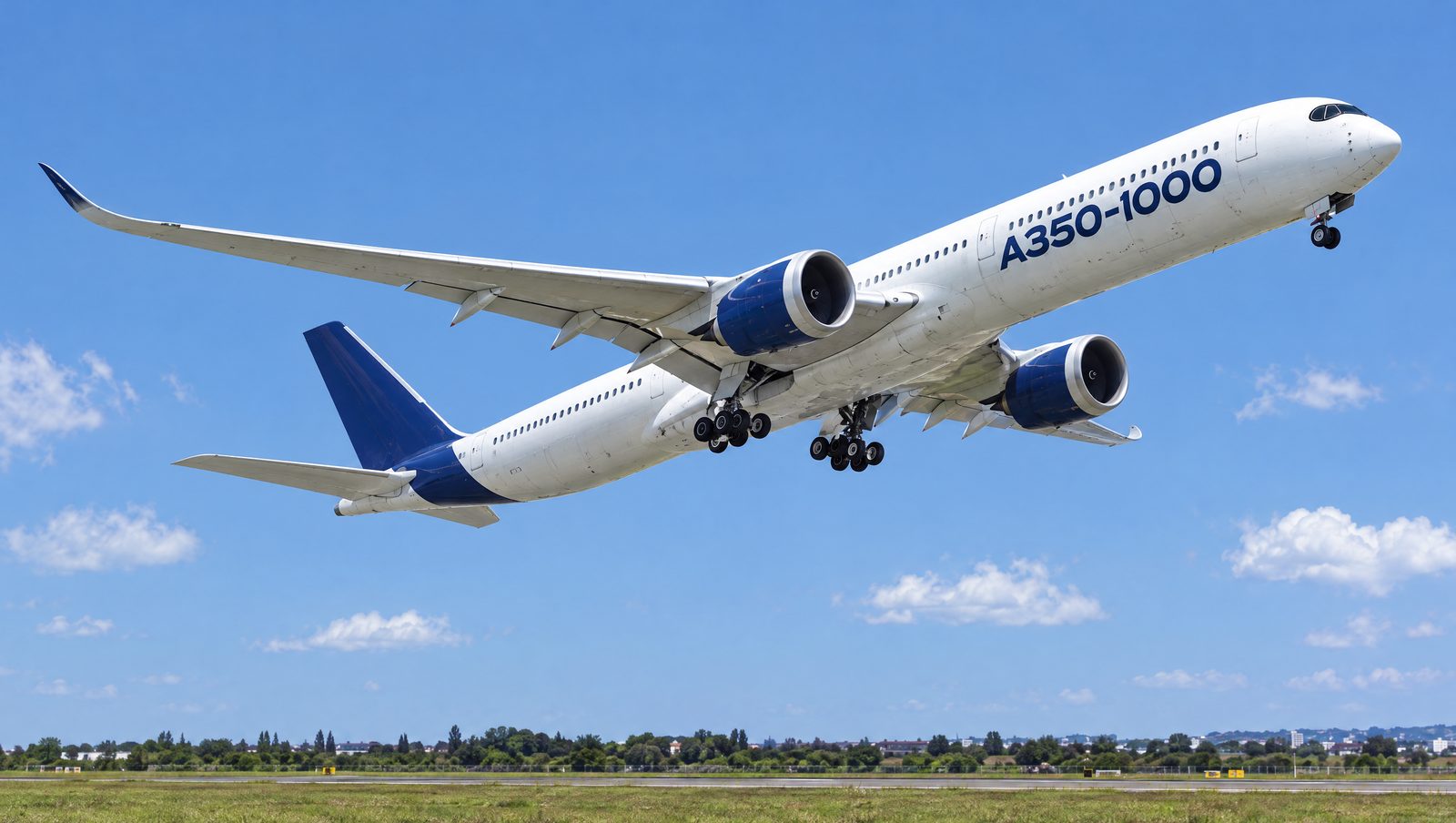
The building is only part of the story. Seven new flight simulators have begun training pilots over the past twelve months. Among them is Australia's first Airbus A350 simulator, installed in Sydney, alongside A320 simulators for both Qantas and Jetstar crews and a new Q400 device supporting QantasLink's turboprop fleet transition. Upgrades to the group's Melbourne facility were also completed during the year.
The A350 device is the one with the longest shadow. It allows Qantas crews to begin training on the type well before the aircraft themselves arrive in Australia — specifically the A350-1000ULR variant ordered for Project Sunrise, the ultra-long-haul programme intended to link Sydney and Melbourne non-stop with London and New York.
Training as a fleet constraint
Group chief executive Vanessa Hudson said the investment supports the airline's fleet and network expansion, and that the Sydney centre brings together new training technology and capability for pilots and cabin crew across Qantas, Jetstar and QantasLink, allowing crews to train on aircraft types before they arrive in the country.
'As the largest aviation skills and training provider in Australia, our teams delivered more than 1.7 million hours of training in the past year, and that number will keep growing as we take delivery of more new aircraft and welcome more people to Qantas and Jetstar,' Hudson said.
That framing matters. Across the industry, simulator availability and instructor capacity have quietly become as much of a constraint on growth as aircraft deliveries themselves. A carrier that has to send crews overseas for type training pays for it twice — in cost and in schedule risk — and loses the ability to flex training volumes at short notice.
By building the capacity domestically and ahead of the aircraft, Qantas is removing one of the more predictable bottlenecks from a fleet renewal programme that will run for years. It is unglamorous infrastructure, but it is the sort that decides whether a delivery schedule turns into a flying schedule.
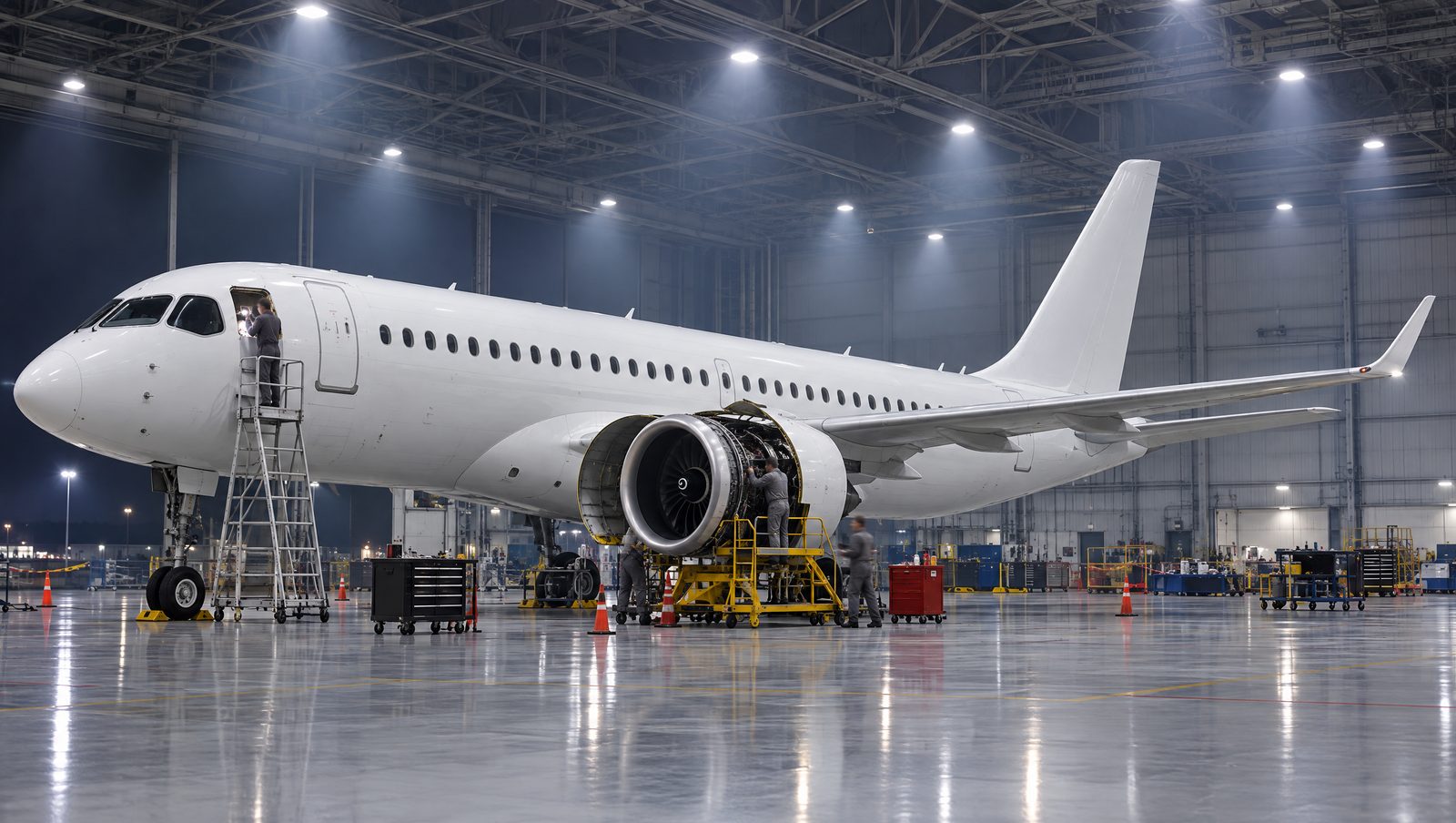
Sources: AeroTime. Featured image: AI-generated by AviationShop. By Elena Vargas.


Comments
Loading comments…