


Riyadh Air has secured approval from the U.S. Department of Transportation to operate flights between the United States and Saudi Arabia, marking a significant regulatory milestone for the Saudi-backed carrier's international expansion strategy. The approval clears the way for the airline to deploy Boeing 787-9 Dreamliners on long-haul routes serving American airports, establishing Riyadh Air as a competitor on some of the world's most commercially valuable aviation corridors.
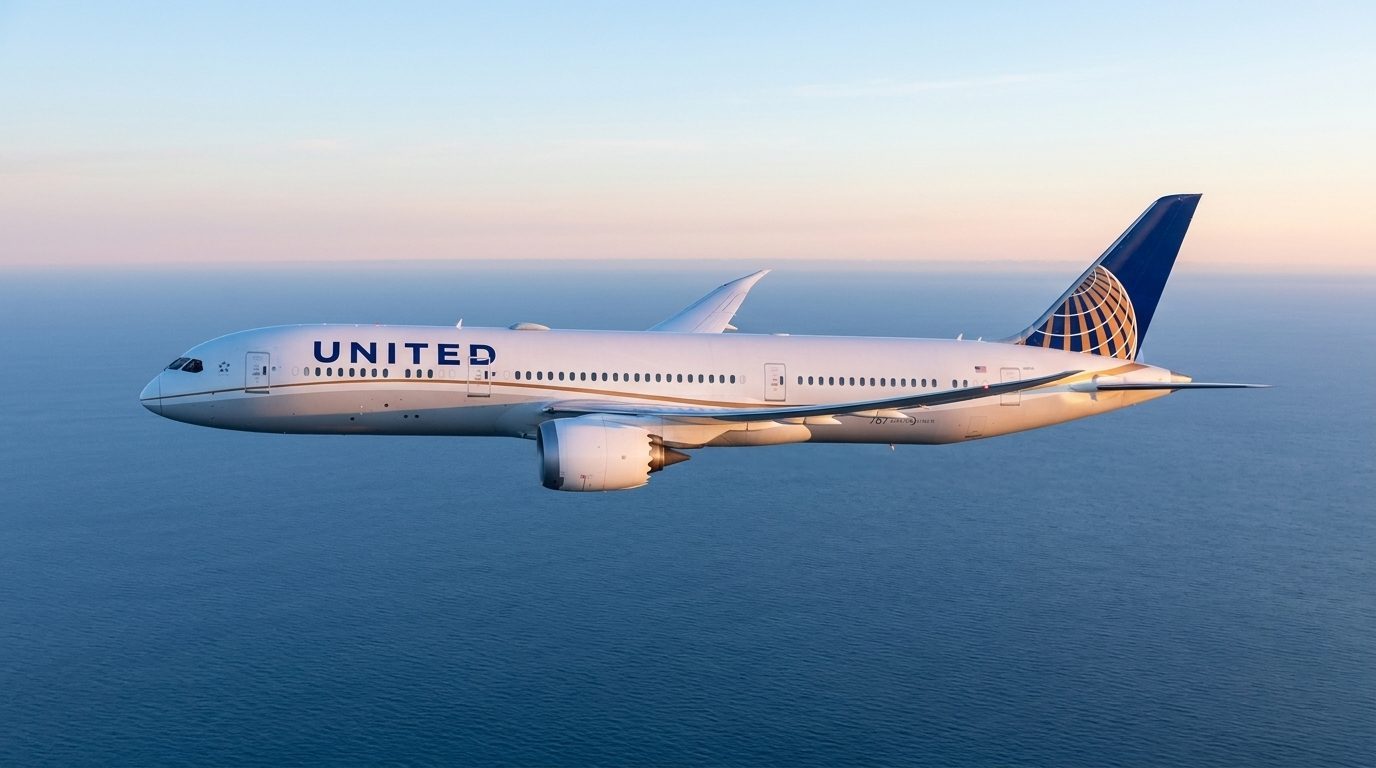
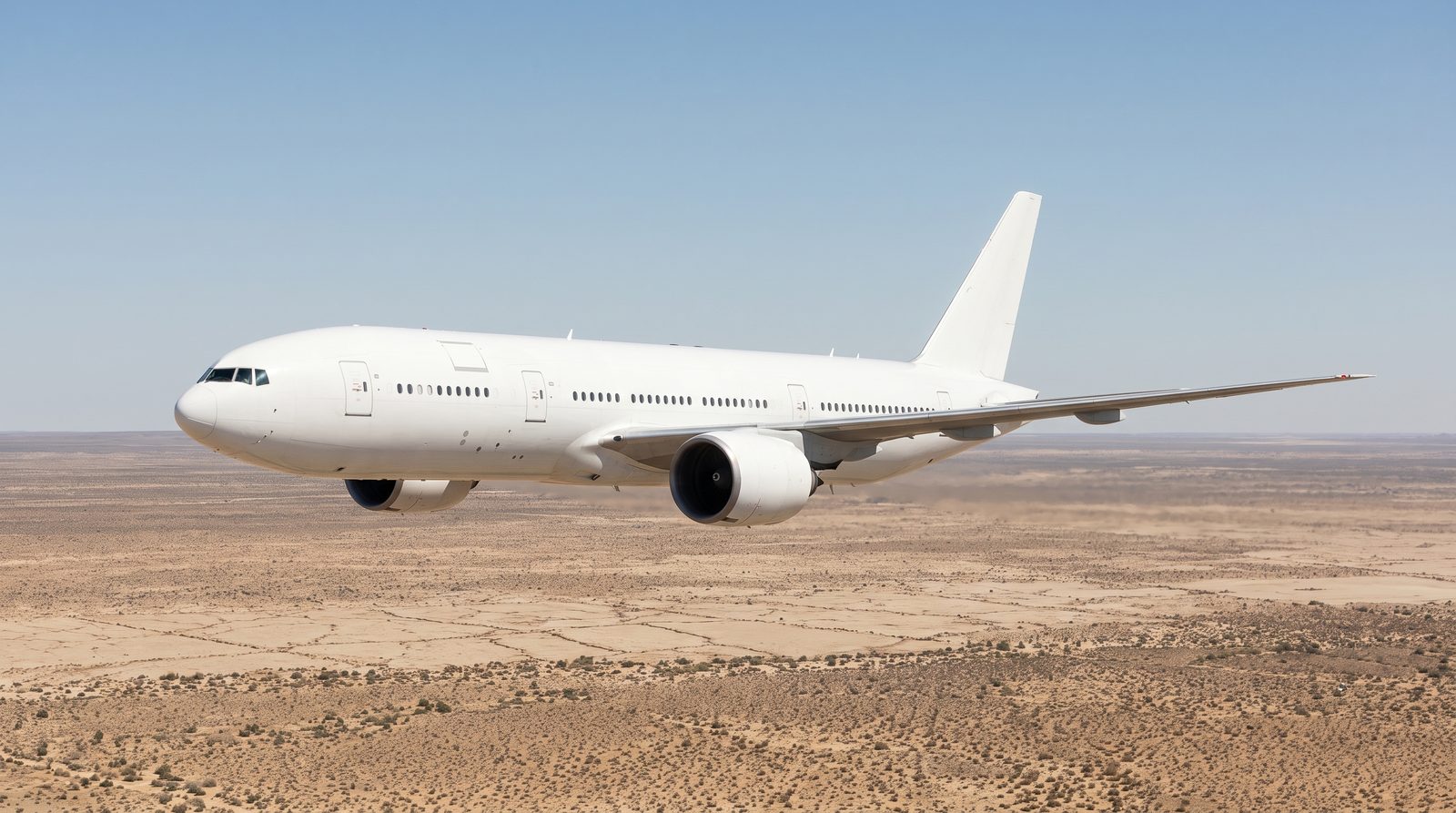
The Boeing 787-9 is ideally suited for this role, offering a twin-aisle, wide-body configuration designed specifically for long-haul international operations. The 787-9 variant seats between 242 and 330 passengers depending on cabin configuration, with a maximum range of roughly 7,565 nautical miles. This capability enables direct service from Saudi Arabia's major hubs to leading U.S. metropolitan areas without intermediate stops, a critical competitive advantage in premium long-haul markets. The aircraft's advanced aerodynamics, composite construction, and efficient engines deliver significant fuel-burn advantages compared to legacy wide-body fleets, translating to lower operating costs and reduced environmental impact—factors increasingly important to both regulators and environmentally conscious passengers.
For Riyadh Air, this DOT approval represents validation of the airline's operational and safety standards by the world's most rigorous aviation regulator. The U.S. Department of Transportation conducts exhaustive technical, financial, and safety reviews before granting foreign carriers authority to operate scheduled service to American destinations. The approval process examines maintenance protocols, crew training programs, safety management systems, and operational procedures against FAA standards. By clearing this hurdle, Riyadh Air signals to the aviation industry and traveling public that it meets or exceeds the stringent requirements demanded of carriers serving the U.S. market.
The timing of this approval positions Riyadh Air to capitalize on growing demand for premium air travel connecting the Middle East to North America. Saudi Arabia's Vision 2030 economic diversification initiative has accelerated aviation sector investment, and Riyadh Air's establishment as a full-service international carrier reflects that strategic commitment. The airline's access to U.S. routes expands its competitive footprint against established Gulf carriers like Emirates, Qatar Airways, and Etihad, which have long dominated Middle East-North America connectivity. Direct Riyadh Air service will likely stimulate competition on premium cabin pricing, potentially benefiting business and leisure travelers on these high-yield routes.
From a fleet planning perspective, the Boeing 787-9 approval validates Riyadh Air's aircraft acquisition strategy. The 787 family has become the backbone of new-generation long-haul operations globally, ordered by carriers seeking efficiency and modern passenger amenities on extended routes. For Riyadh Air, operating the 787-9 allows the airline to standardize on a modern, efficient platform while accessing a well-developed support ecosystem across North American maintenance and logistics networks.
Regulatory approvals of this magnitude typically require months of coordination between the airline, manufacturer, and government authorities. The DOT must verify that the foreign carrier meets reciprocal safety standards, possesses adequate insurance coverage, and operates under transparent ownership structures. Riyadh Air's successful completion of this process demonstrates organizational maturity and commitment to operating within international aviation governance frameworks.
This approval also reflects broader U.S. foreign policy considerations. U.S. policymakers have generally supported deepening U.S.-Saudi bilateral relations, and aviation market access represents both a tangible economic benefit and a symbol of strengthened ties. The approval benefits American consumers through expanded choice and competitive pressure on premium pricing, while U.S. airports and ground handlers gain a new international carrier bringing economic activity and employment.
As Riyadh Air moves toward launching U.S. service, the airline's operational execution will be closely monitored by aviation regulators, industry analysts, and competitors. The 787-9's proven reliability and efficiency, combined with Riyadh Air's newly approved operational authority, position the carrier to establish a meaningful presence on long-haul networks serving the lucrative North American market.
Sources: Reuters, Skift. Featured image: AI-generated by AviationShop. By Elena Vargas.



Comments
Loading comments…