


A late-night ground collision at Manila's Ninoy Aquino International Airport (NAIA) has taken two widebody jets out of service after a departing Saudia Boeing 787 struck the tail of a parked Philippine Airlines Airbus A320. The incident happened on the night of July 7, 2026, and is now the subject of a formal investigation.
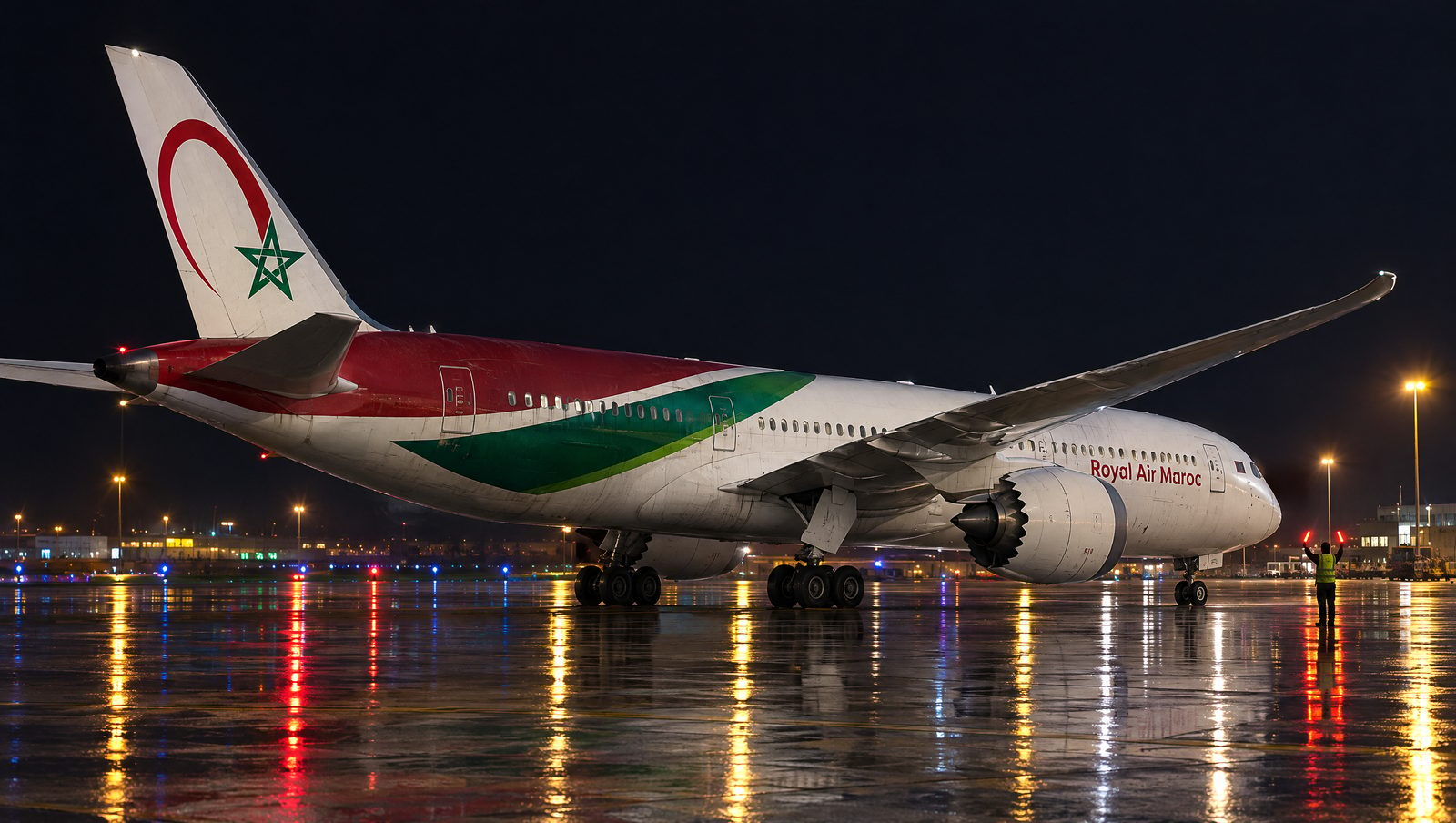
According to reports, Saudia flight SV871, a Boeing 787 Dreamliner bound for Jeddah, was taxiing for departure at around 11:38 pm local time when it made contact with the stationary A320, registered RP-C8612. The impact damaged the vertical stabilizer — the tall tail fin — of the Philippine Airlines jet and left the Saudia aircraft with damage to a wingtip.
Philippine Airlines confirmed that no passengers or crew were on board its parked A320 at the time of the collision. On the Saudia side, passengers who had already boarded the Jeddah service were safely disembarked, and flight SV871 was cancelled. No injuries were reported in connection with the incident, and airport operations at NAIA were not significantly disrupted.
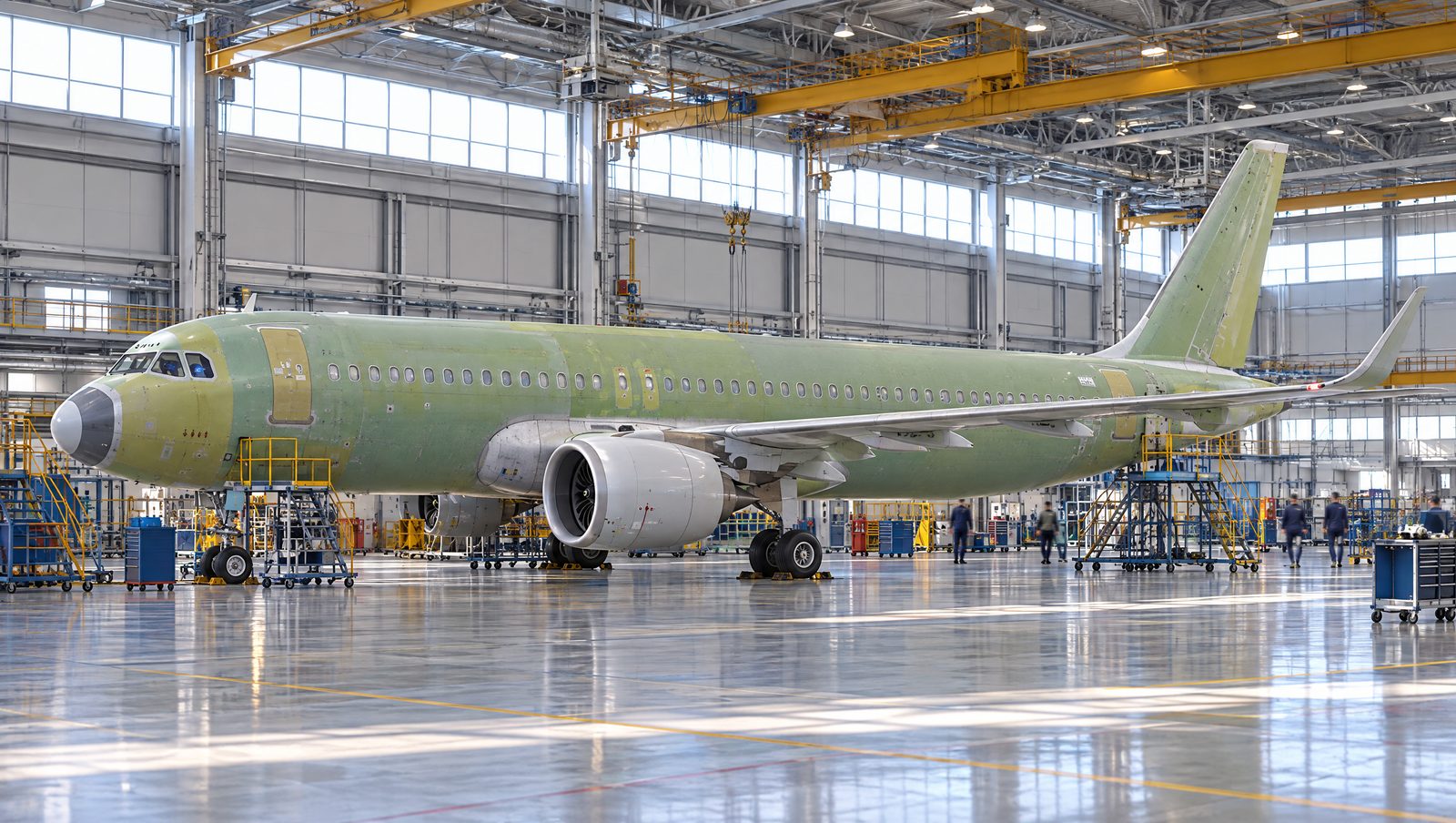
Both aircraft have been withdrawn from service pending technical assessment. Engineers will need to inspect the structural condition of the A320's tail and the 787's wing before either jet can return to flying. A tail-fin strike, even at low taxi speeds, requires careful evaluation because the vertical stabilizer is a primary control surface.
Authorities have launched a full investigation to determine exactly how the two aircraft came into contact. Investigators are expected to review airside radio communications, ground-movement records, and other operational data to establish whether taxi routing, marshalling, or clearance instructions played a role. Ground collisions of this kind typically hinge on the coordination between flight crews, ground controllers, and apron marshals in congested taxiway and gate areas.
NAIA is one of Southeast Asia's busiest hubs and serves as the main base for Philippine Airlines, so ramp and taxiway congestion is a recurring operational challenge. Incidents involving aircraft clipping one another on the ground are not uncommon across the global industry, and they are among the more expensive to resolve because they can sideline high-value widebody aircraft for weeks while repairs are scheduled and certified.
For Saudia, the loss of a 787 from its fleet rotation — even temporarily — creates a scheduling challenge on long-haul routes to Jeddah, where the Dreamliner is a workhorse. Philippine Airlines, meanwhile, must arrange repairs to the A320's tail section, a job that can involve specialist structural work depending on the extent of the damage.
Neither carrier has yet released a detailed technical account of the sequence of events, and both have emphasized that safety remains the priority as the investigation proceeds. Further findings are expected once the relevant aviation authorities complete their review.
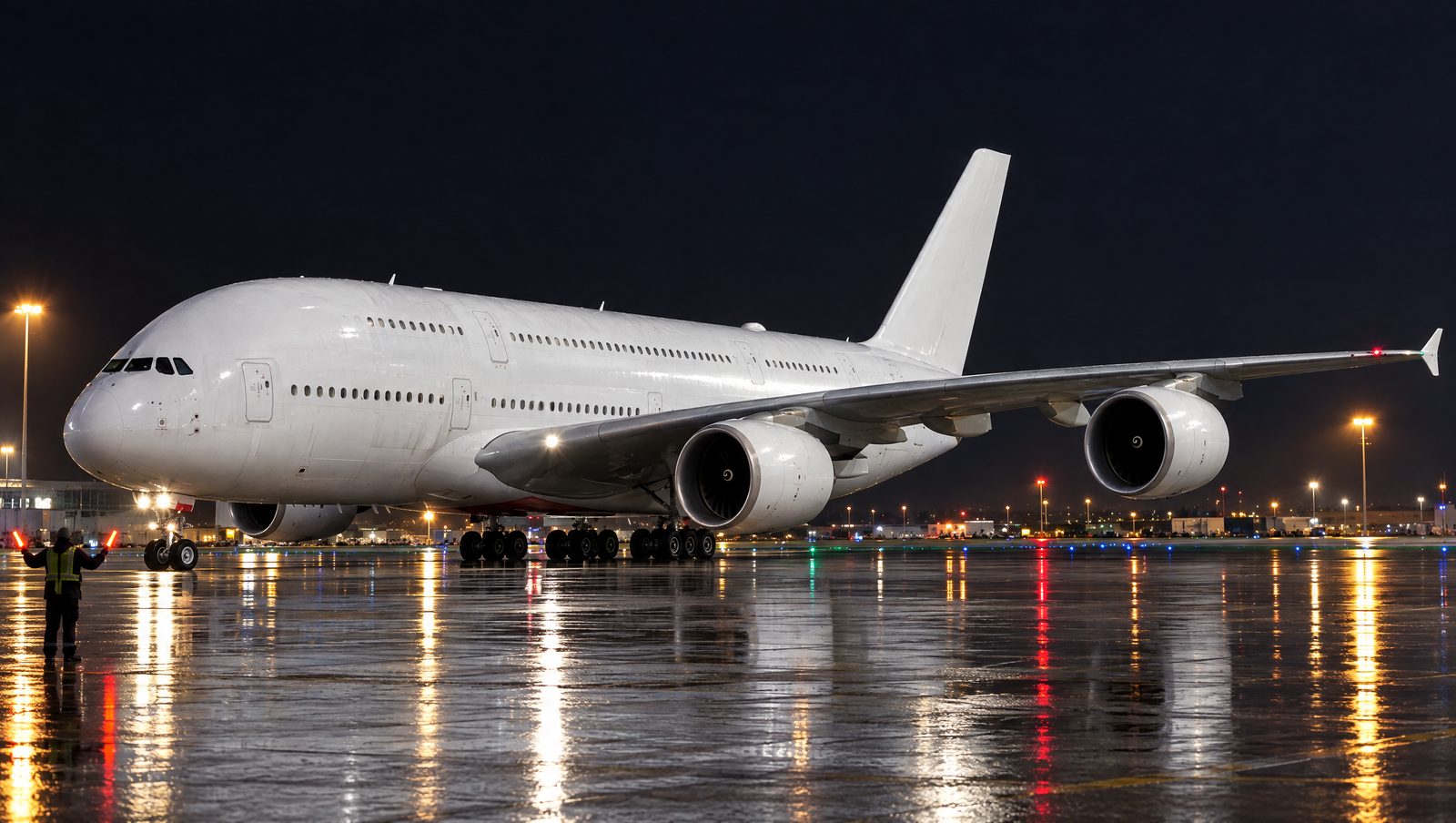
Sources: AeroTime, Simple Flying. Featured image: AI-generated by AviationShop. By Marco Bianchi.


Comments
Loading comments…