


European summer airfares are running at least 20% higher than the same period in 2025, and aviation analysts are pointing at one chokepoint: the Strait of Hormuz. The narrow waterway between Iran and Oman, through which roughly 20% of global oil and a significant share of jet fuel supplies pass, has become a flashpoint after the U.S.-Israel military strikes on Iranian nuclear facilities triggered Iranian retaliation and shipping disruptions.
Jet Fuel Costs Surge
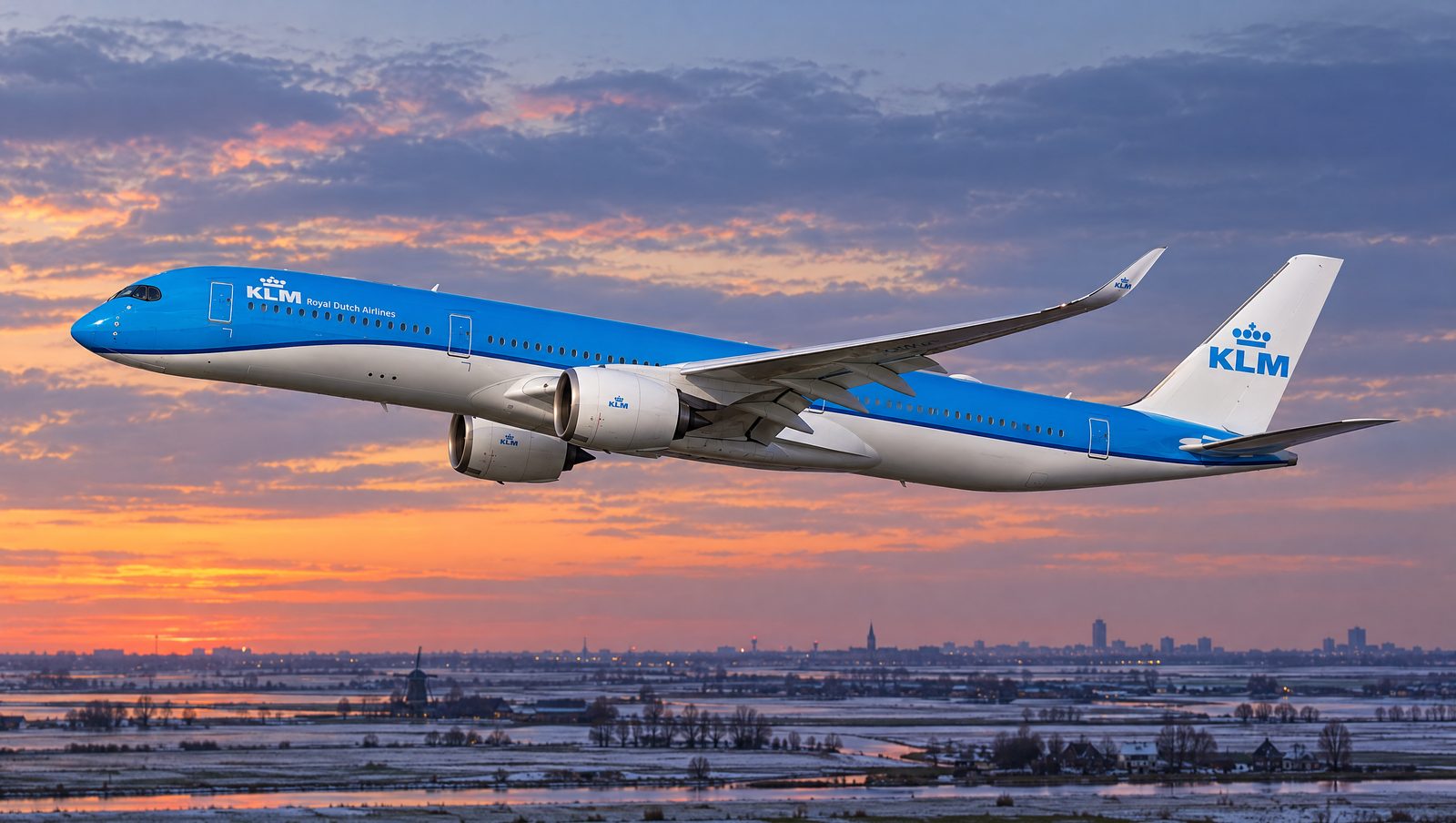
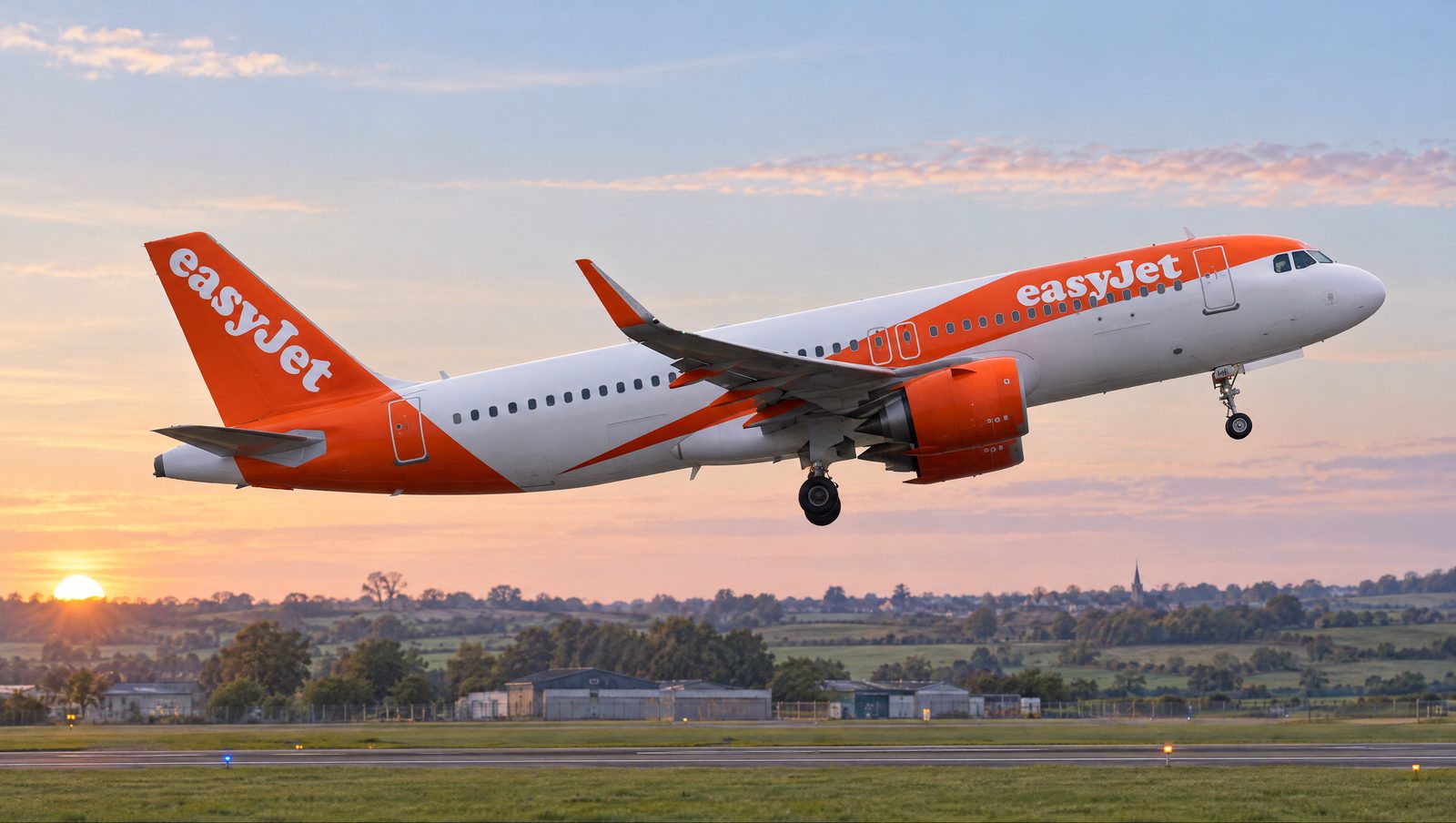
Spot jet fuel prices in Singapore and Rotterdam — the two key global benchmarks — have climbed sharply since the Strait closure, with some carriers reporting fuel costs 35-40% above year-ago levels. Lufthansa Group, Air France-KLM, IAG (British Airways and Iberia), Ryanair, easyJet, and Wizz Air have all warned that absorbing the fuel price increases is no longer tenable, and structurally higher ticket prices are now baked into the 2026 schedule.
Routes Hit Hardest
Transatlantic and Europe-to-Asia routings are bearing the brunt because their longer block hours amplify every fuel-cost increase. London-New York economy cash fares for August departures are tracking 22% above last year, while Frankfurt-Singapore is up 24%. Even short-haul European routes have seen 15-18% increases as airlines pass through fuel surcharges that had largely vanished post-pandemic.
Carrier Responses
Some airlines are taking creative steps to mitigate exposure. Singapore Airlines, Cathay Pacific, and Qatar Airways have ramped up fuel hedging programs, locking in 50-70% of expected 2026 consumption at pre-crisis prices. Low-cost carriers like Ryanair, whose ultra-thin margins leave little room to absorb fuel spikes, are reducing capacity on the least profitable routes and pushing harder on ancillary revenue.
For consumers, the message is uncomfortable: cheap European summer travel is over, at least until the Strait reopens and jet fuel markets normalize. Industry analysts at IATA warn that if the disruption persists into Q3, 2026 could become the most expensive year for air travel since 2008.
Compiled from publicly available aviation news sources. Featured image: AI-generated by AviationShop. This article is original editorial content; facts have been verified across multiple public sources.

Comments
Loading comments…