


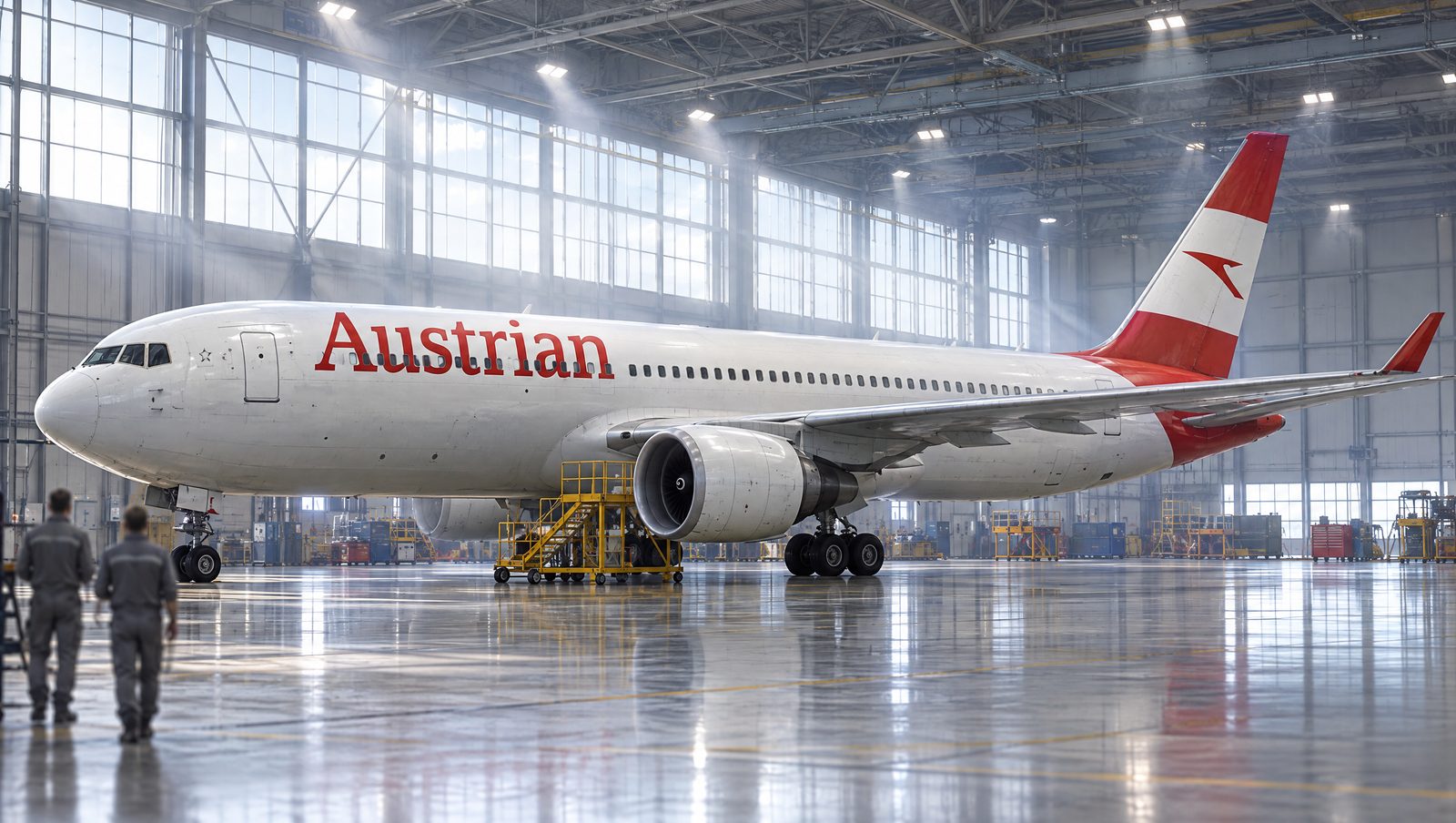
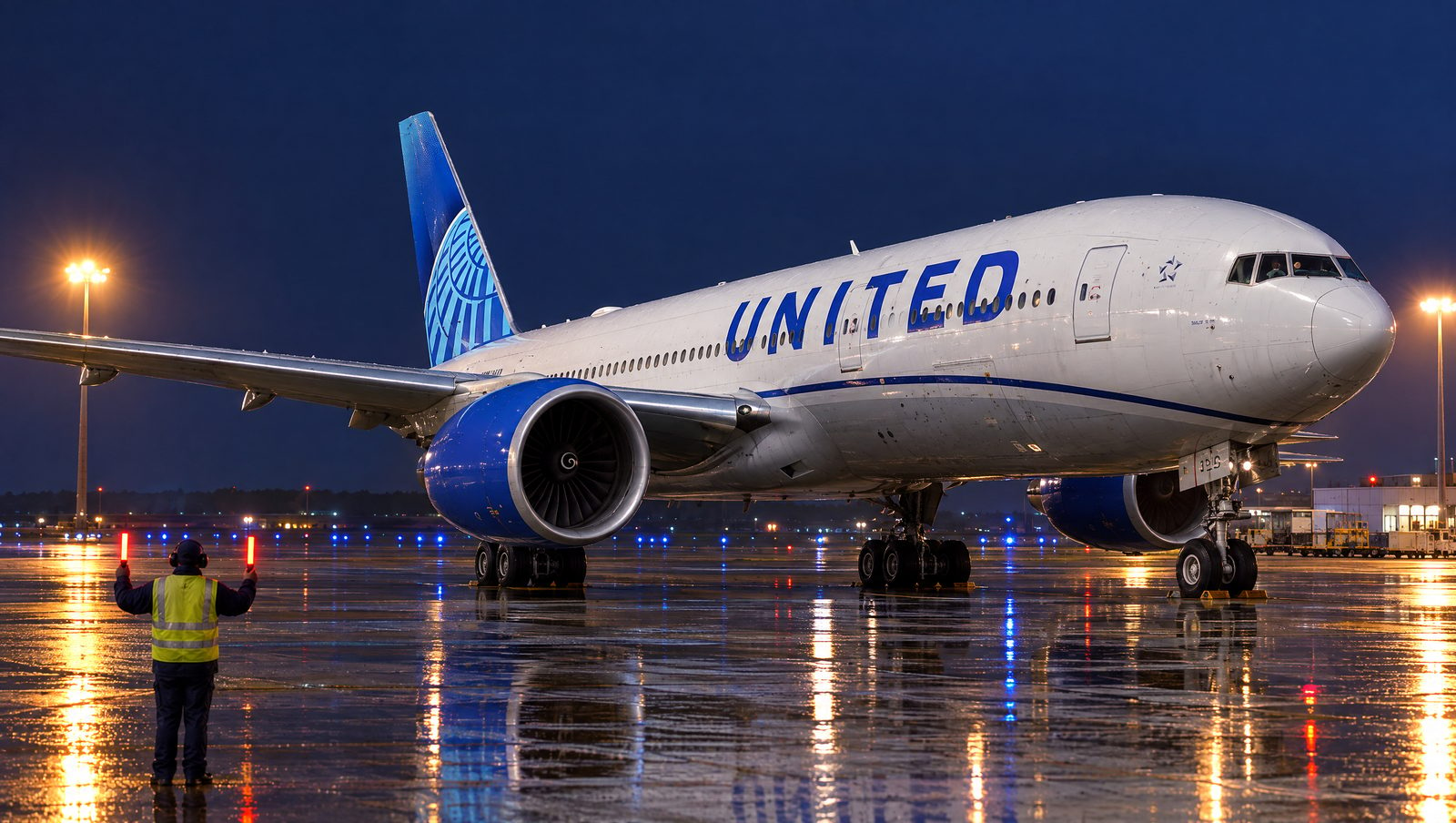
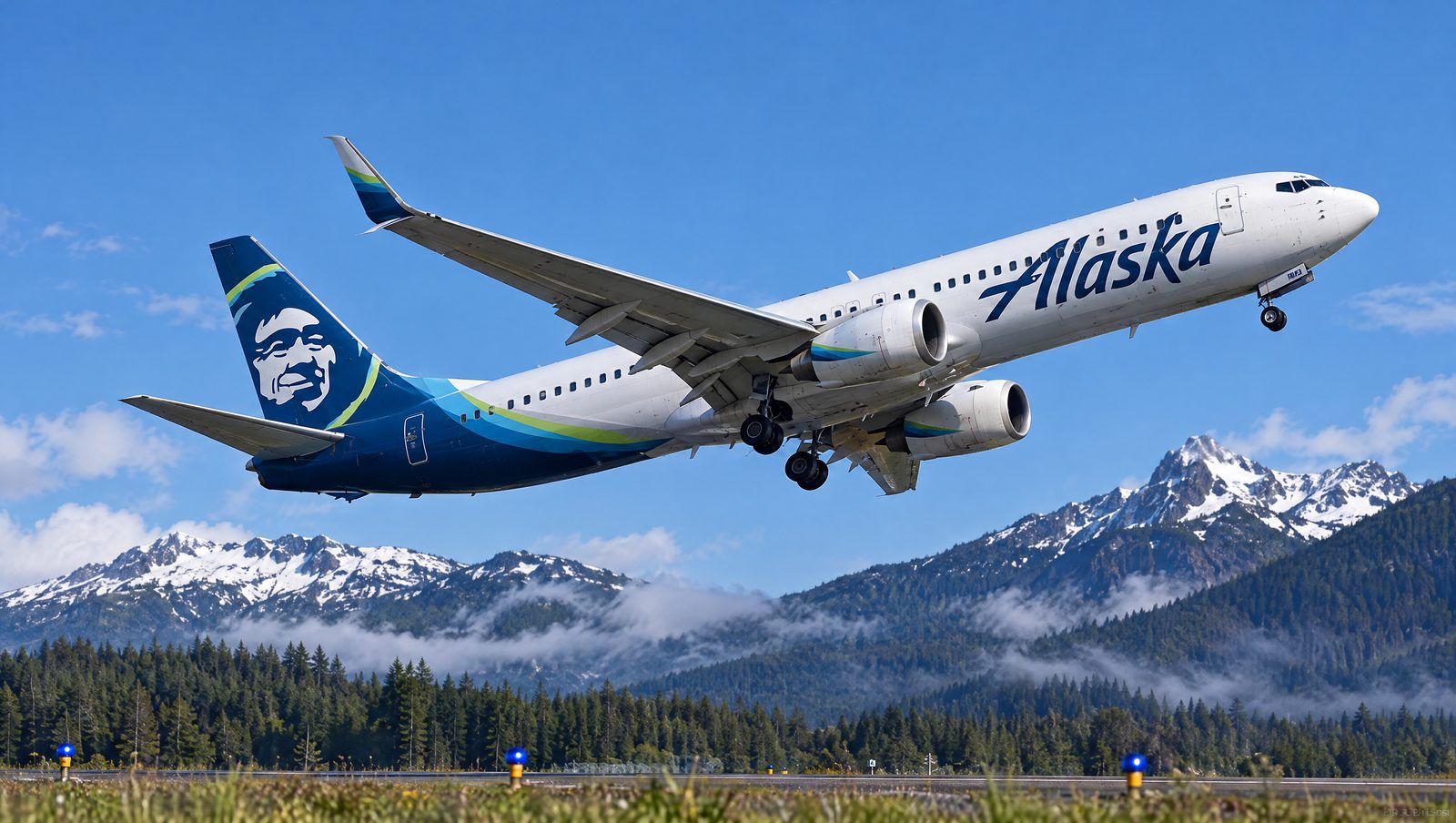
An airline's livery is more than just paint on metal — it's a flying billboard, a national symbol, and sometimes a work of art cruising at 35,000 feet. From the bold cheatlines of the 1960s jet age to today's gradient-heavy minimalist designs, airline liveries have evolved alongside aviation itself. Let's trace that colorful history from the golden age to the modern era.
The Golden Age: 1950s–1970s
The dawn of commercial jet aviation brought with it some of the most iconic liveries in history. Pan American World Airways set the standard with its crisp blue-and-white globe logo adorning Boeing 707s and 747s. TWA's dramatic red-and-white design screamed confidence, while BOAC's dark blue speedbird emblem carried the elegance of British aviation across the Atlantic.
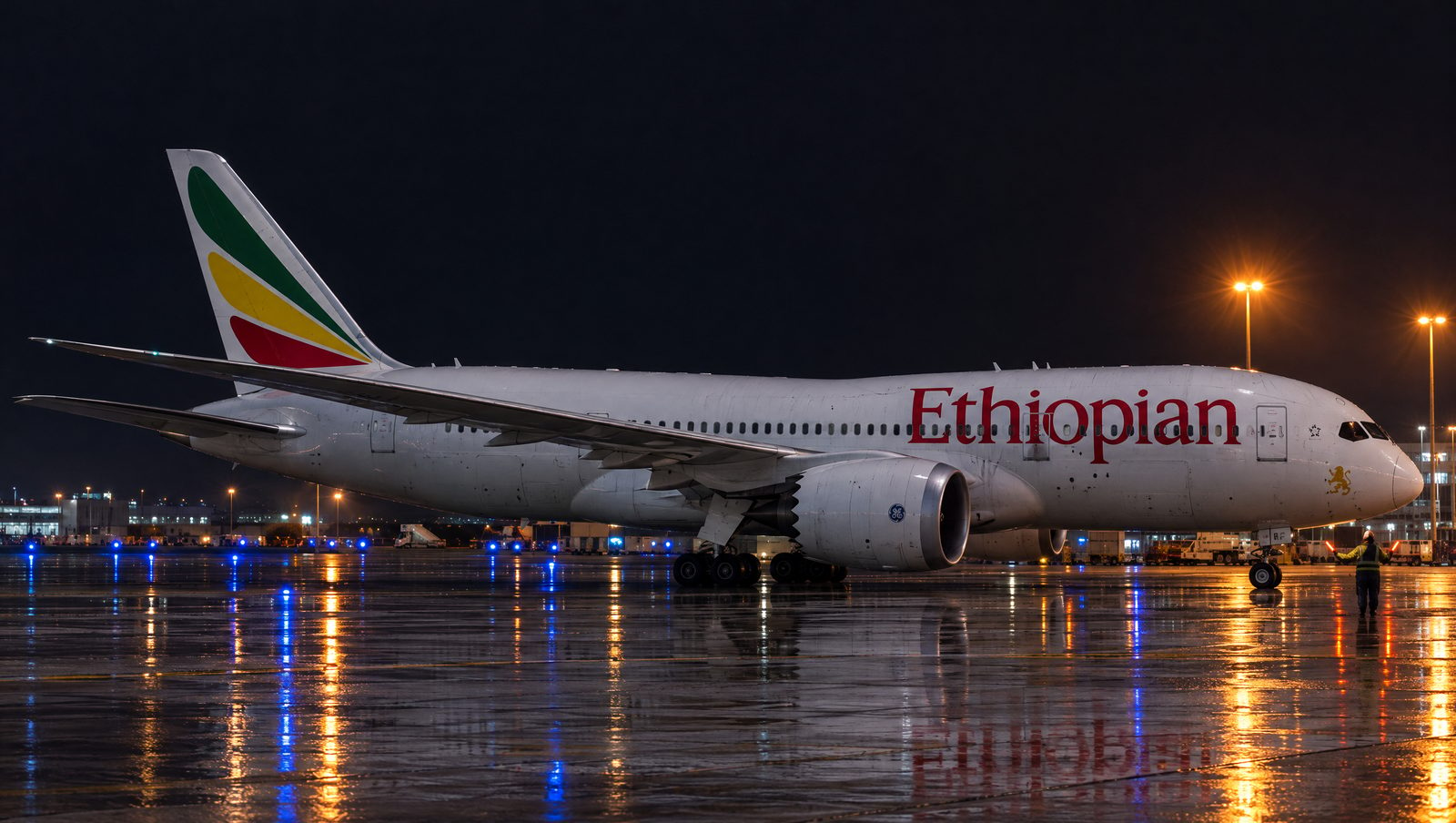
These early liveries shared common traits: bold cheatlines running the length of the fuselage, polished bare-metal finishes (which saved weight), and oversized tail logos designed to be recognizable from the terminal window.
The Colorful Era: 1980s–1990s
As competition intensified, airlines turned to branding agencies to create liveries that stood out on increasingly crowded ramps. Braniff International famously painted entire aircraft in single bold colors — orange, turquoise, and even Alexander Calder-designed art planes. Southwest Airlines embraced desert tones, and the arrival of computer-aided design allowed for complex gradients and flowing shapes.
This era also saw the rise of alliance liveries. Star Alliance, oneworld, and SkyTeam each introduced co-branded paint schemes, creating a new visual language for global airline partnerships.
Modern Minimalism: 2000s–Present
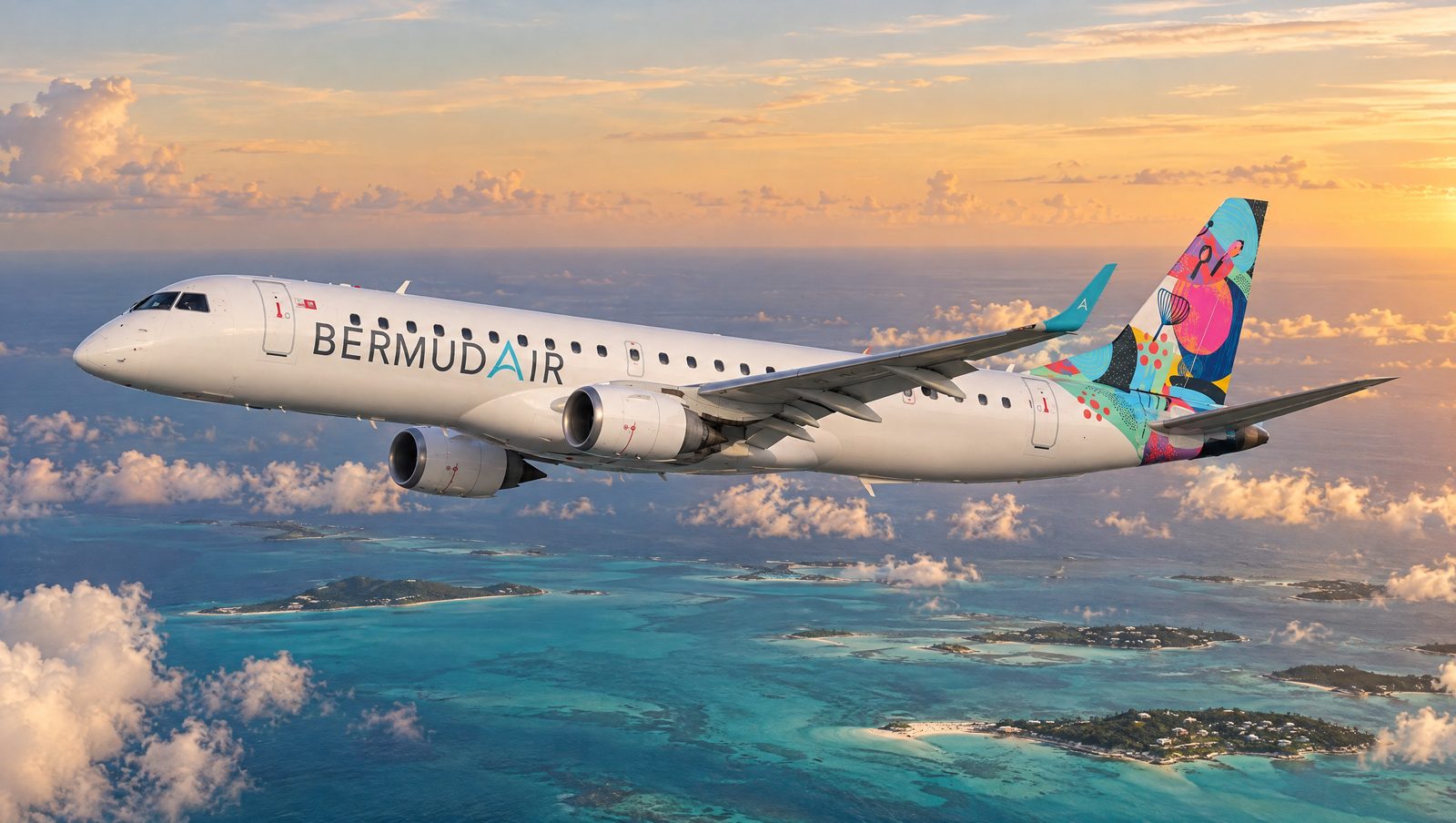
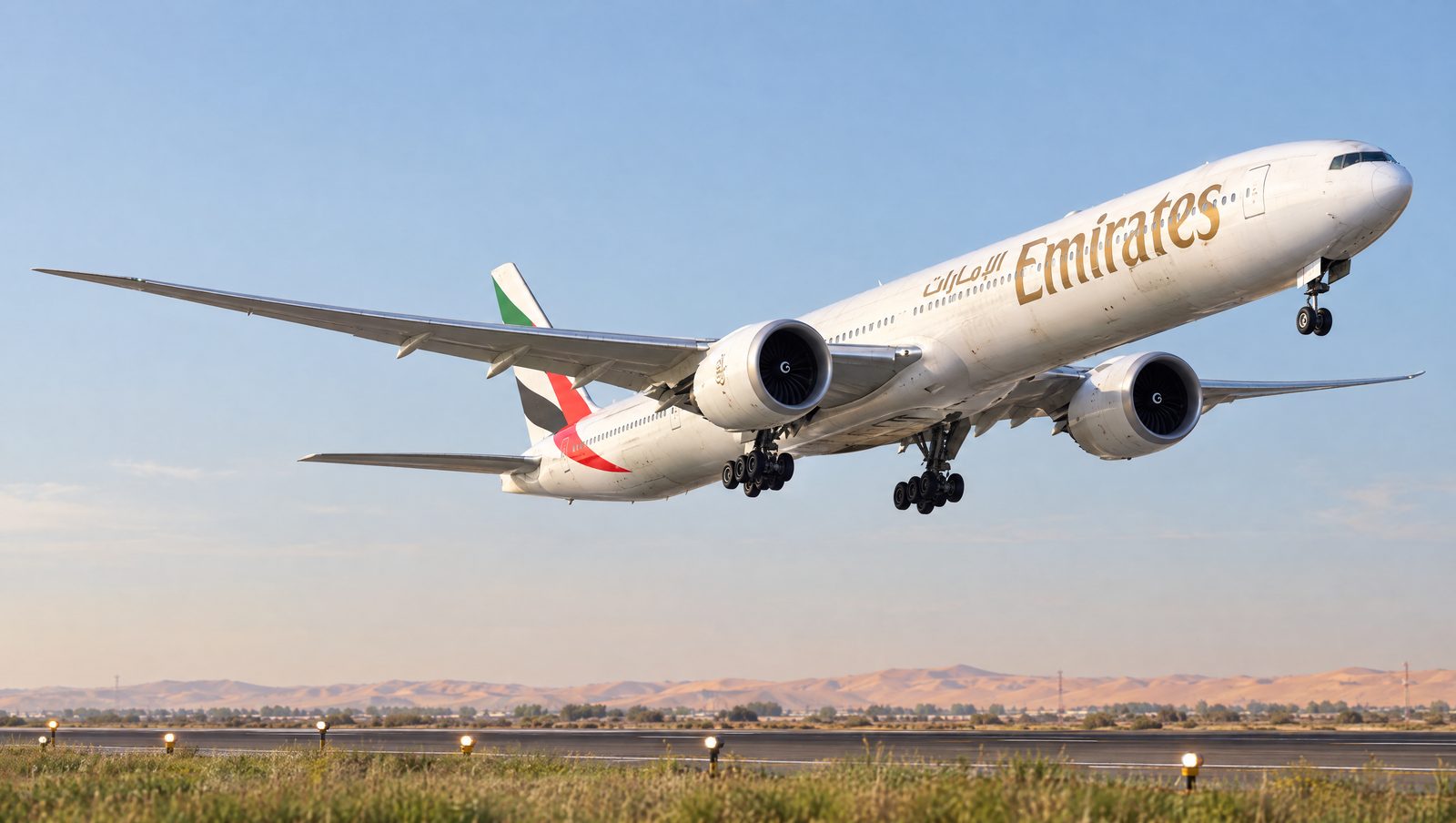
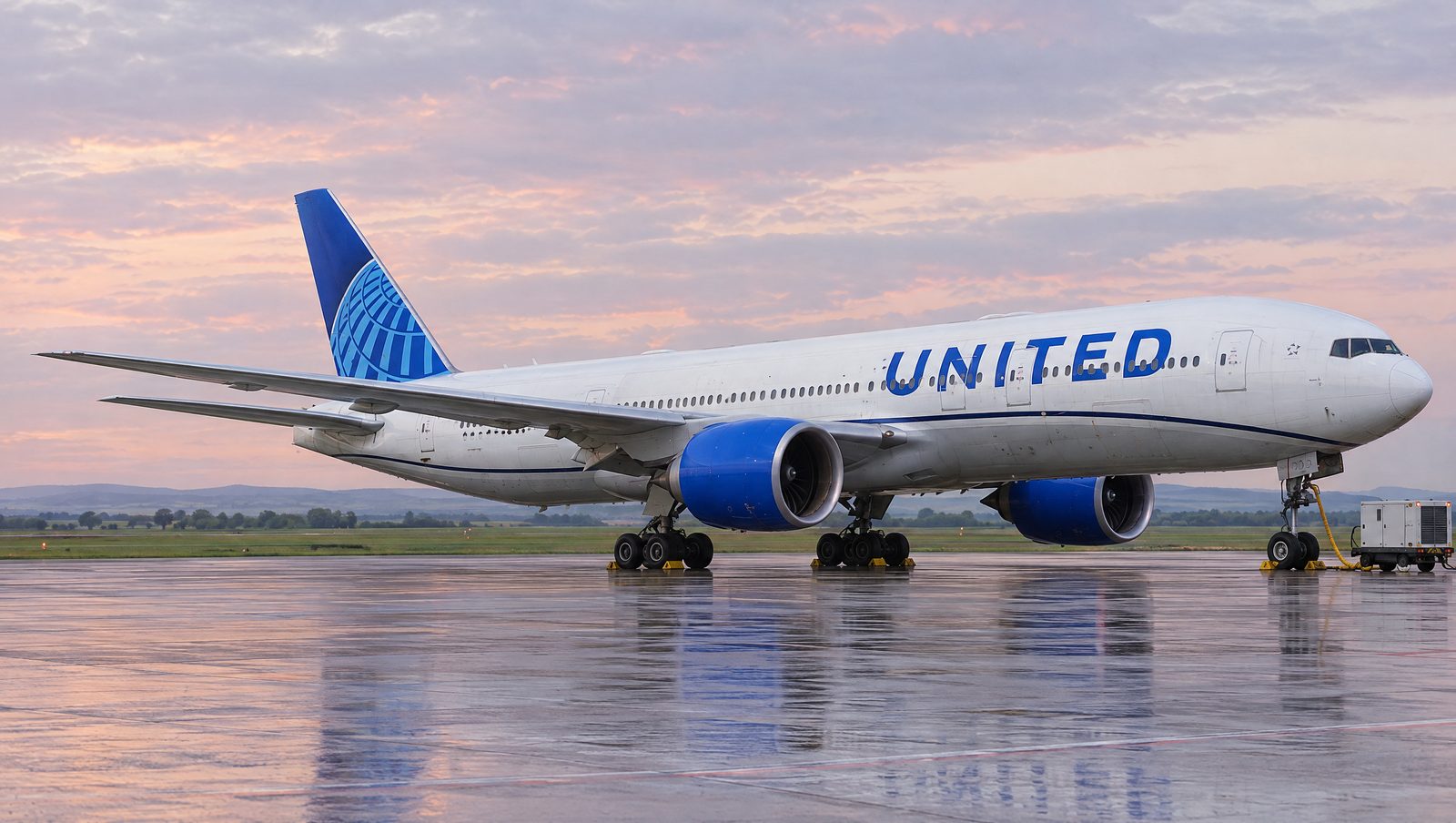
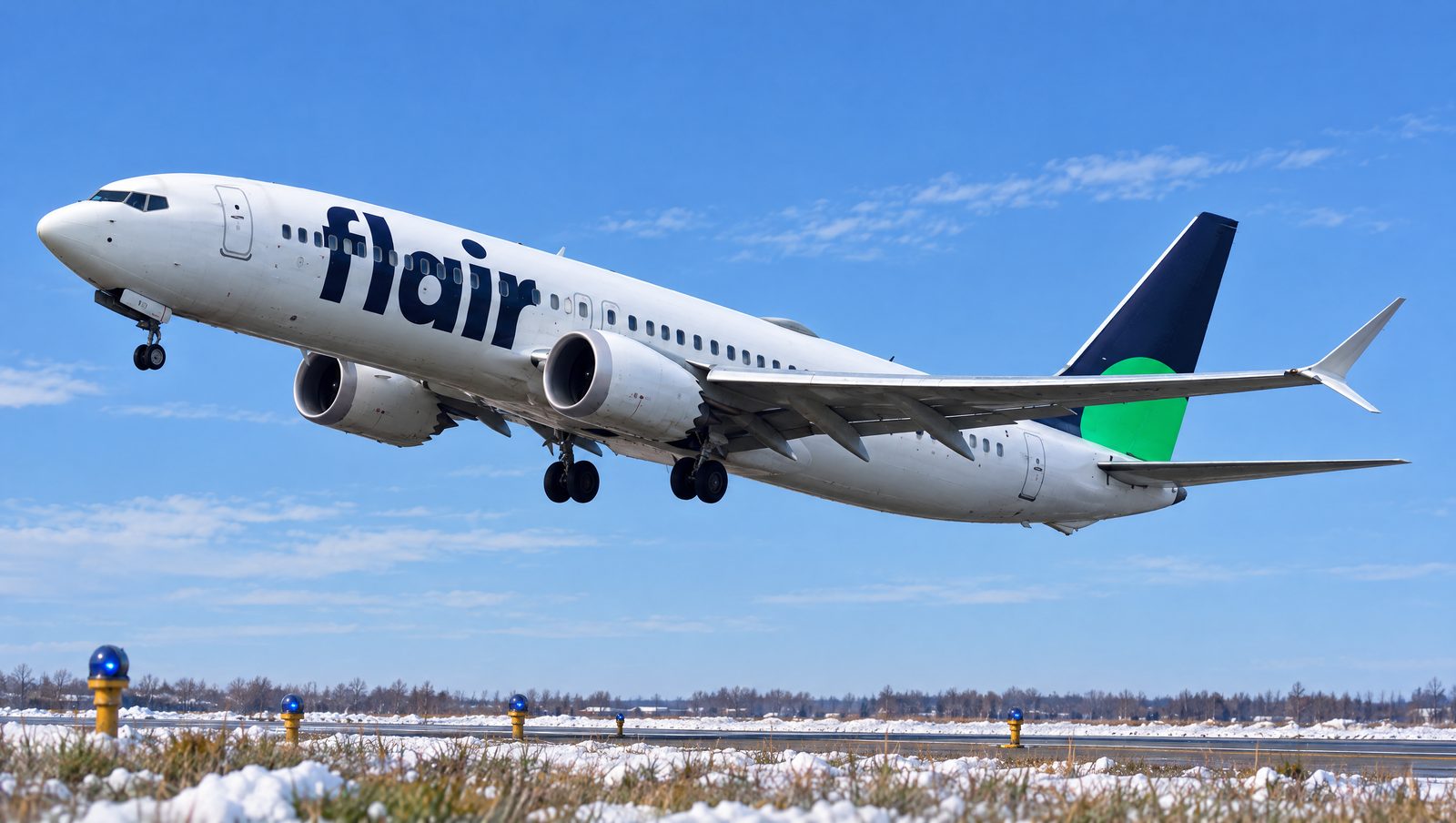
Today's airline liveries tend toward clean simplicity. Large tail logos, subtle gradients, and uncluttered fuselages define the modern look. Airlines like Qatar Airways, Emirates, and Singapore Airlines use refined color palettes that convey premium positioning. Low-cost carriers, meanwhile, opt for eye-catching simplicity — think Ryanair's bold blue-and-yellow or Spirit's vivid yellow.
Special liveries have become a marketing phenomenon, with airlines creating limited-edition paint schemes for Star Wars partnerships, Olympic Games, and retro throwback celebrations. These special schemes generate massive social media buzz and have become prized sightings among planespotters.
✈️ Shop Model Airplanes
Collect diecast models featuring iconic airline liveries from every era
Browse Collection →What Makes a Great Livery?
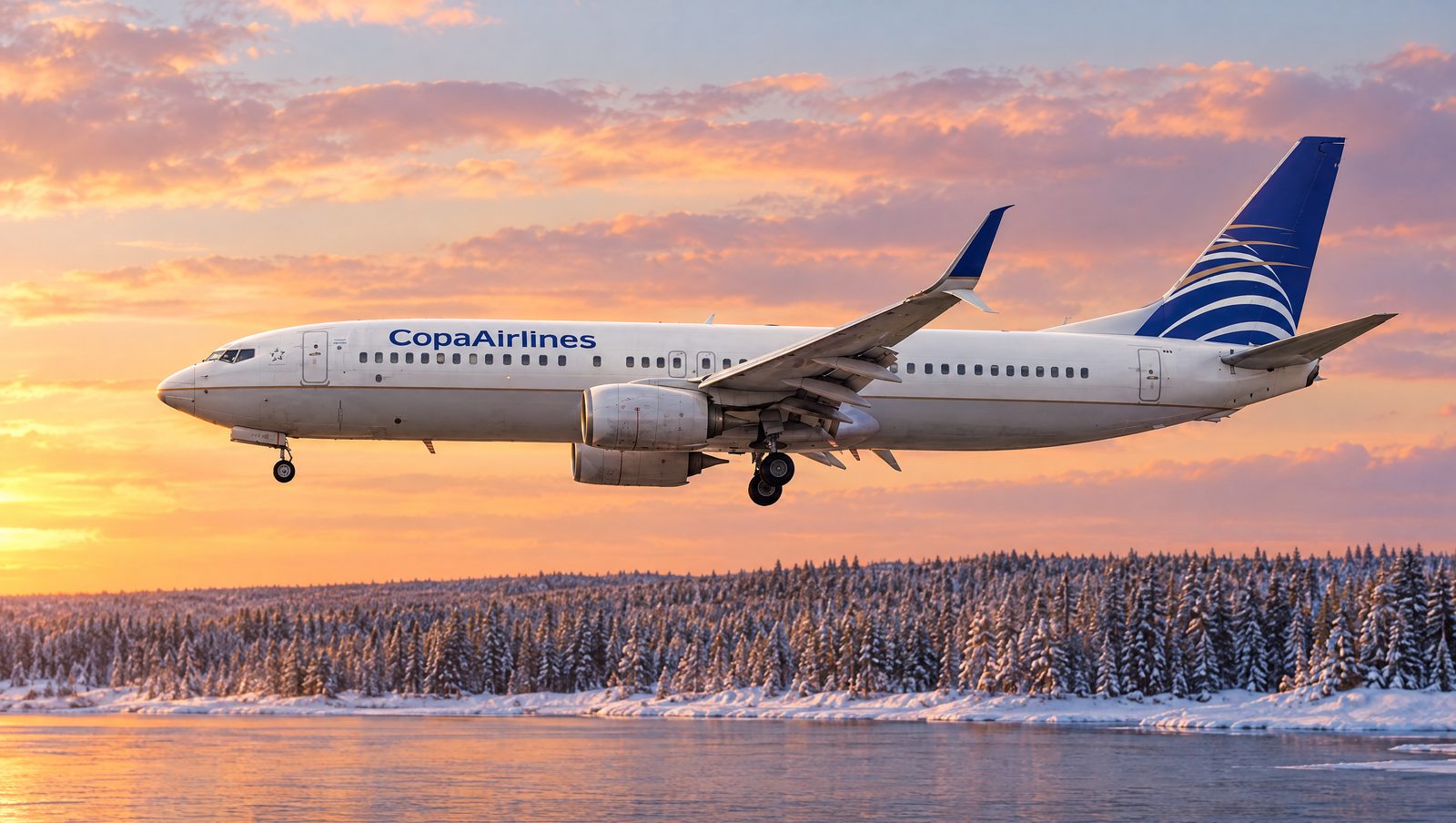
The best liveries share a few key traits: they're instantly recognizable from a distance, they scale beautifully across different aircraft types (from regional jets to widebodies), and they tell a story about the airline's identity and heritage. A great livery doesn't need complexity — it needs clarity.
Bring the Liveries Home
For collectors and aviation fans, there's no better way to appreciate the art of airline liveries than through high-quality diecast models. These detailed replicas capture every color, stripe, and logo with precision — letting you build your own miniature fleet of historic and modern aircraft.
🌟 Build Your Livery Collection
From Pan Am classics to modern Emirates — find your favorites
Shop Models →
Comments
Loading comments…