


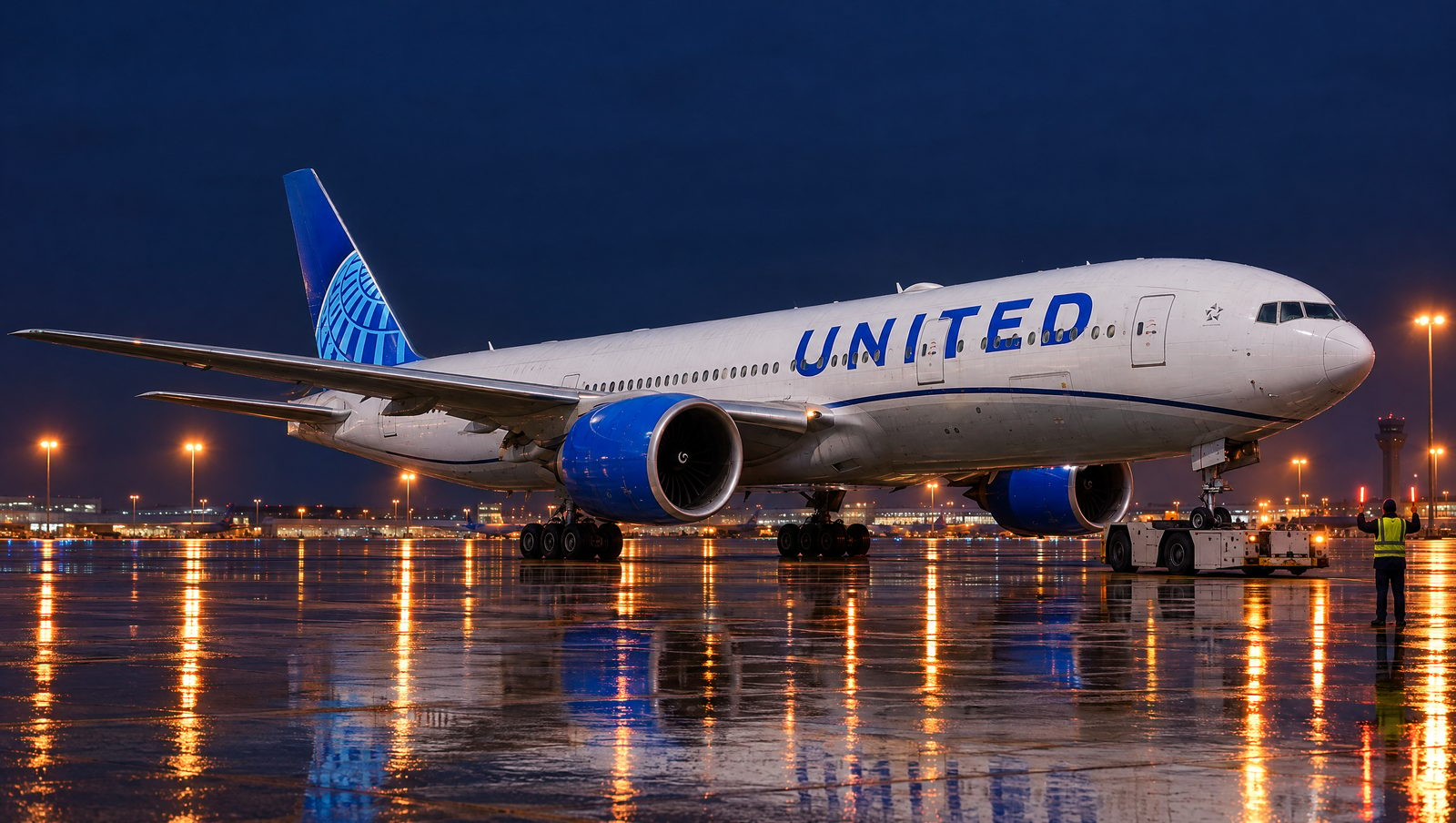
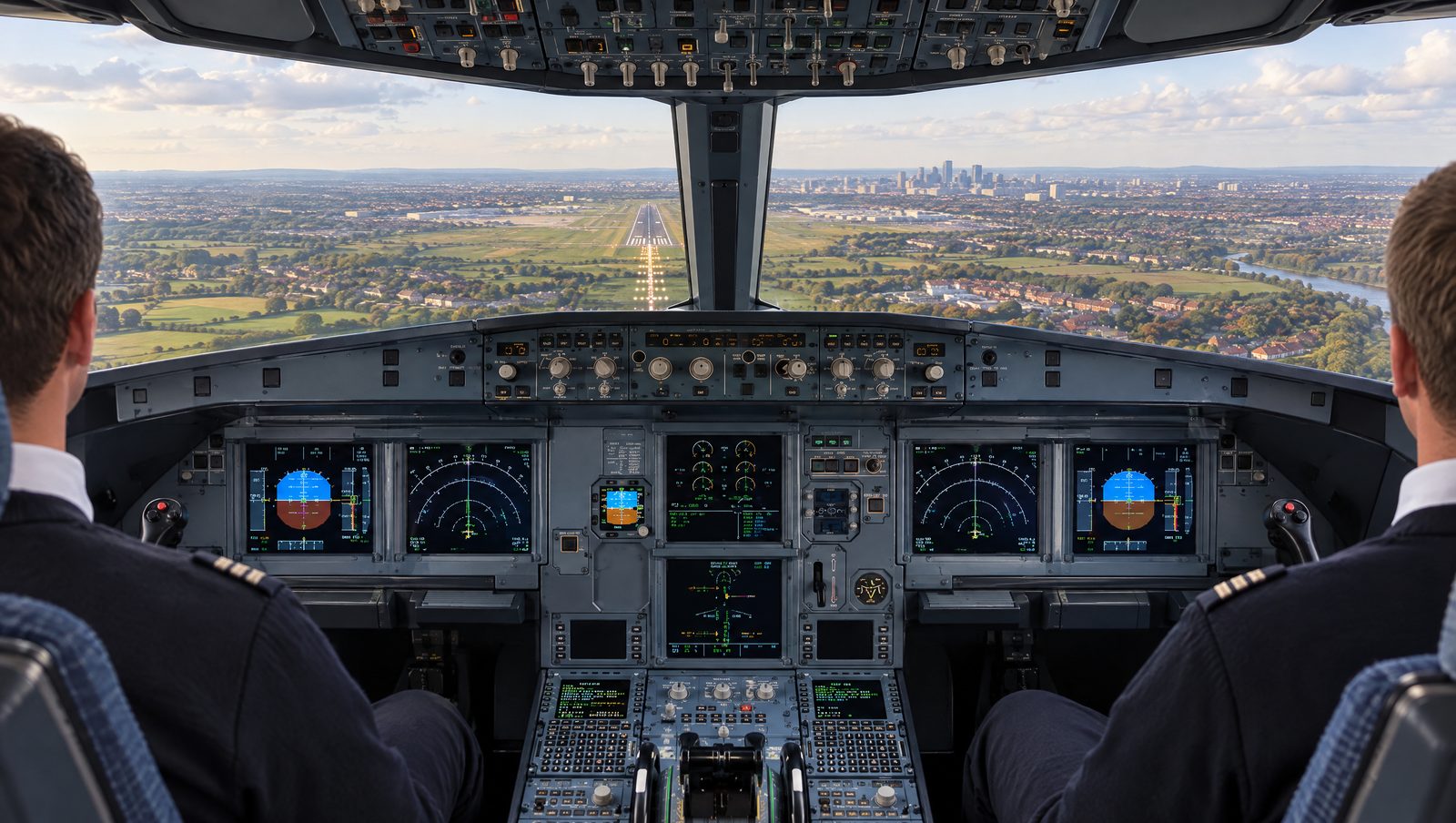
A United Airlines Boeing 737 MAX 8 made an emergency arrival into Newark Liberty International Airport on May 2, 2026, after the captain reported that a passenger had attacked a flight attendant and attempted to open the forward main cabin door mid-flight. The aircraft, operating Flight 1837 from Gregorio Luperón International Airport in Puerto Plata, Dominican Republic, landed safely at around 6:25 p.m. local time, where law enforcement was waiting to remove the suspect.
According to air traffic control audio circulated after the incident, the pilot declared an emergency and informed controllers that one of the cabin crew members had been physically attacked. There were 170 passengers and six crew on board the narrow-body jet at the time of the disturbance, and the Federal Aviation Administration confirmed it would investigate the event.
A Volatile Weekend at Newark
The attack on Flight 1837 was not the only unsettling event at the airport that weekend. Just one day later, on May 3, 2026, United Flight 169 — a Boeing 767-300ER inbound from Venice — clipped a light pole on the New Jersey Turnpike during its approach to Newark, before continuing to a safe landing. The FAA opened a separate investigation, with the National Transportation Safety Board taking the lead on the runway-incursion-style strike.
Together, the two episodes have placed Newark squarely back in the spotlight after a difficult year for US air traffic safety. Lawmakers have already scheduled additional Senate hearings on broader FAA oversight, with regulators under growing pressure to demonstrate progress on cabin safety, runway safety and air traffic controller staffing.
Renewed Focus on Unruly Passengers
Airline industry groups responded by repeating long-standing calls for tougher penalties against unruly passengers. The FAA and the Department of Transportation have referred a growing number of cases to the FBI in recent years, signalling a federal preference for criminal prosecution rather than civil fines in the most violent incidents.
Cabin-crew unions have used the latest event to highlight the physical risks faced by frontline aviation workers, particularly on leisure routes where alcohol consumption is high. Union representatives are pushing United and other US carriers to expand de-escalation training and review onboard alcohol service policies on selected routes.
What It Means for Travelers
For passengers, the immediate impact is limited. United continues to operate Newark normally, and the affected aircraft were quickly returned to service after inspection. The episodes are nonetheless a reminder of how quickly a routine flight can turn into a serious safety event, and of the central role that trained, supported cabin crew play in keeping commercial aviation safe.
Compiled from publicly available aviation news sources. Featured image: AI-generated by AviationShop. This article is original editorial content; facts have been verified across multiple public sources.




Comments
Loading comments…