


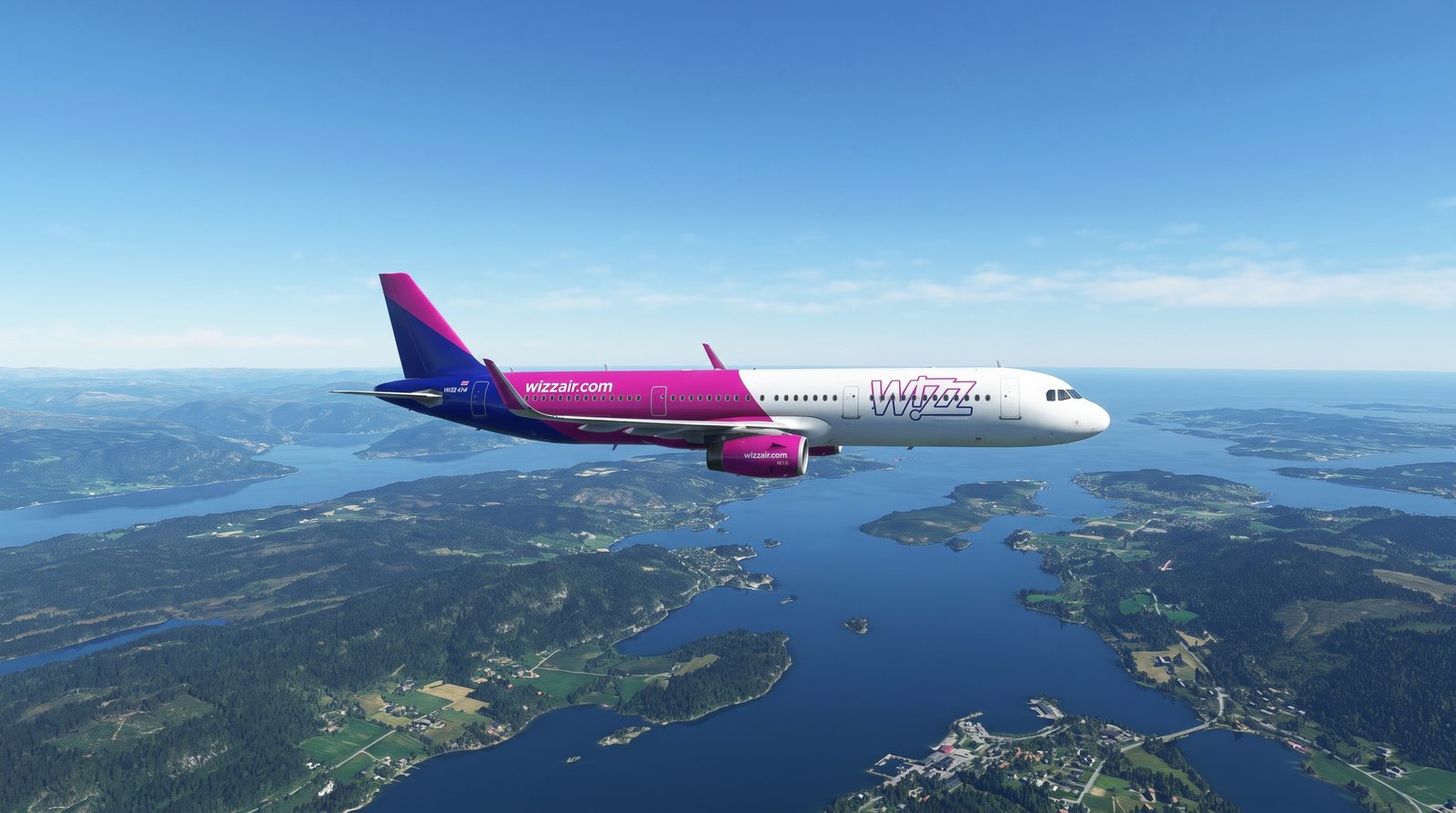
Look at any flight-tracking app and you will notice something striking: almost every long-haul jet settles into a narrow band of altitude, typically between 33,000 and 42,000 feet, with 35,000 feet a familiar favourite. This is not a coincidence or a tradition. It is the result of a careful balance between thin air, engine performance, fuel economy and a set of hard aerodynamic limits. Fly too low and the aircraft burns fuel wastefully; fly too high and it runs out of usable performance margin. The cruising altitude of a modern airliner is essentially the sweet spot where all of these forces meet.
The single biggest reason jets climb so high is that the air up there is thin. At 35,000 feet the air is roughly a quarter as dense as it is at sea level. Thinner air means less aerodynamic drag, so the aircraft can maintain a high true airspeed while its engines work less hard to push through the atmosphere. For a jet covering thousands of miles, even a small reduction in drag translates into a large saving in fuel over the course of a flight. Airlines live and die by fuel efficiency, and altitude is one of the most powerful levers they have.
Jet engines also have a say in the matter. A turbofan still needs oxygen to burn fuel, and as the air thins out the engine produces less thrust. There comes a point where the engine simply cannot generate enough power to climb any higher while still maintaining a safe speed. The thrust available and the drag to be overcome converge, and that convergence sets a practical ceiling. Different aircraft, weights and temperatures shift that ceiling up or down, which is why a jet often "steps up" to a higher altitude later in a flight, once it has burned off enough fuel to become lighter.
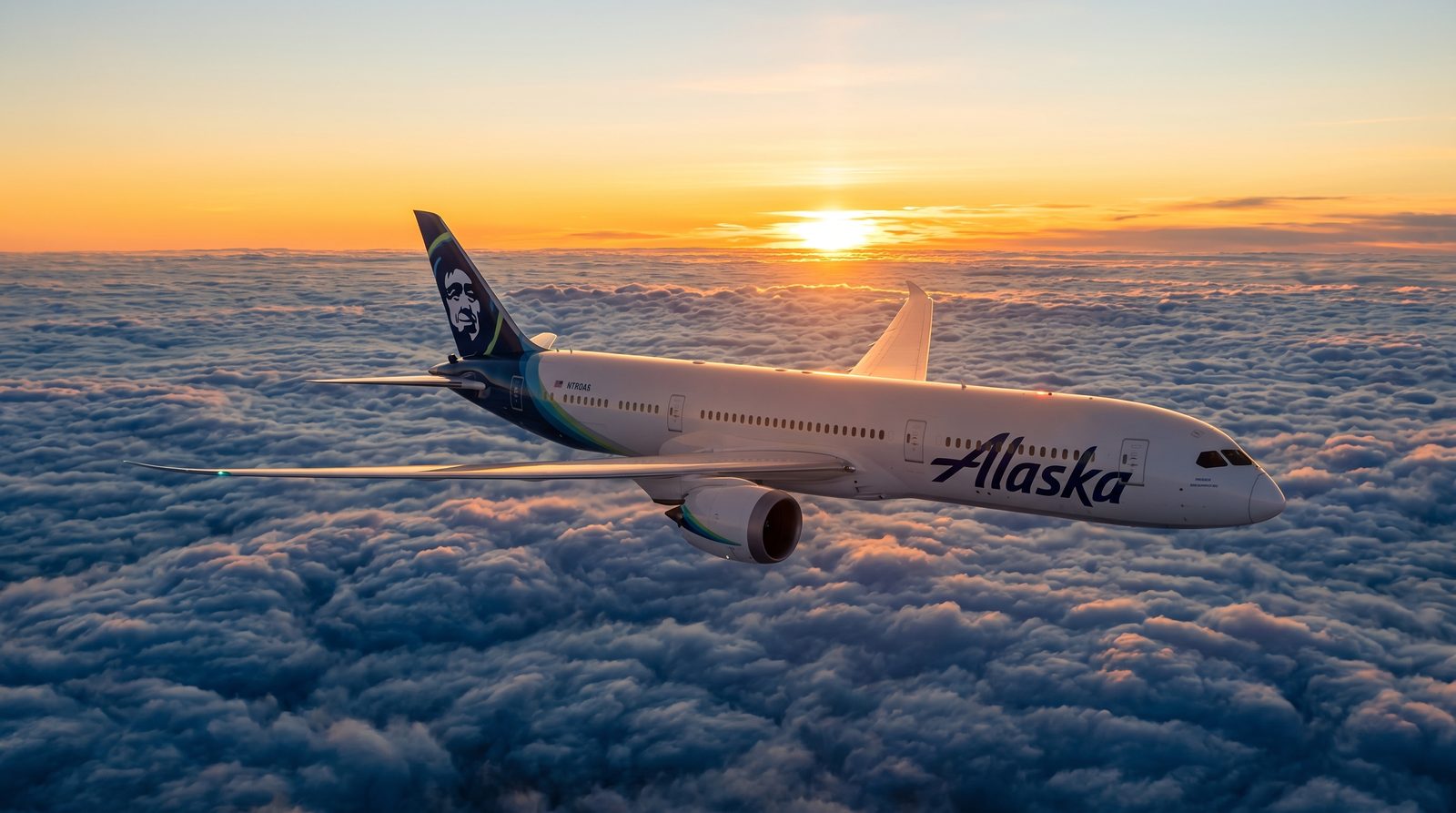
Weather and comfort reinforce the choice. Most clouds, turbulence and storm activity happen in the lower atmosphere, the troposphere. By cruising near or just above the tropopause, airliners spend most of the flight above the worst of the weather, giving passengers a smoother ride and pilots clearer air. There is also a practical benefit in being high: if something goes wrong, altitude buys time, giving a crew more room to manage a problem or glide toward a diversion airport.
So why not climb even higher, to 50,000 feet or beyond, where the air is thinner still? Here the aircraft runs into one of aviation's most quietly dramatic limits, often nicknamed "coffin corner." As a jet climbs, the speed at which it would stall (too slow) creeps upward, while the speed at which airflow over the wing approaches the speed of sound and causes problems (too fast) creeps downward. Climb high enough and these two speeds nearly meet, leaving only a sliver of usable airspeed between stalling and overspeeding. Most airliners are simply not designed to operate safely in that razor-thin margin, so they stay comfortably below it.
Cabin pressurisation adds another ceiling. The higher an aircraft flies, the greater the pressure difference between the cabin and the outside air, and the more stress that places on the fuselage. Aircraft are engineered and certified to a maximum operating altitude that keeps that stress within safe limits, which is why most airliners are capped somewhere in the low 40,000s. A handful of business jets and specialised aircraft are built stronger and fly higher, but for a typical passenger jet, the structure itself helps define where cruise ends.
This is also why not every aircraft cruises at the same height. Smaller regional jets and turboprops, which fly shorter sectors and have different engines and wings, often cruise considerably lower, sometimes in the high teens or twenties of thousands of feet, because the time spent climbing into the high thirties would eat up much of the efficiency gain on a short hop. The best altitude is always relative to the aircraft, its weight, the route length and the conditions on the day, which is why two jets on similar routes can still be assigned slightly different cruising levels by air traffic control.
Put all of this together and the logic becomes clear. Thin air reduces drag and saves fuel; engines and aerodynamics impose a practical ceiling; weather and safety favour height; and coffin corner plus pressurisation limits prevent jets from going higher still. The familiar figure of 35,000 feet is really shorthand for a finely tuned compromise, one that lets a modern airliner cross oceans efficiently, smoothly and safely. The next time a flight levels off and the seatbelt sign dims, that quiet cruise is the sound of physics and engineering meeting at their most economical altitude.
Educational explainer compiled by AviationShop. Featured image: AI-generated by AviationShop.




Comments
Loading comments…