


Carbon fibre reinforced polymer, usually shortened to CFRP and often just called composite, has become the default material of modern airliner construction. It is lighter and stronger than the aluminium alloys it replaced, and manufacturers have steadily increased how much of it goes into each new design.
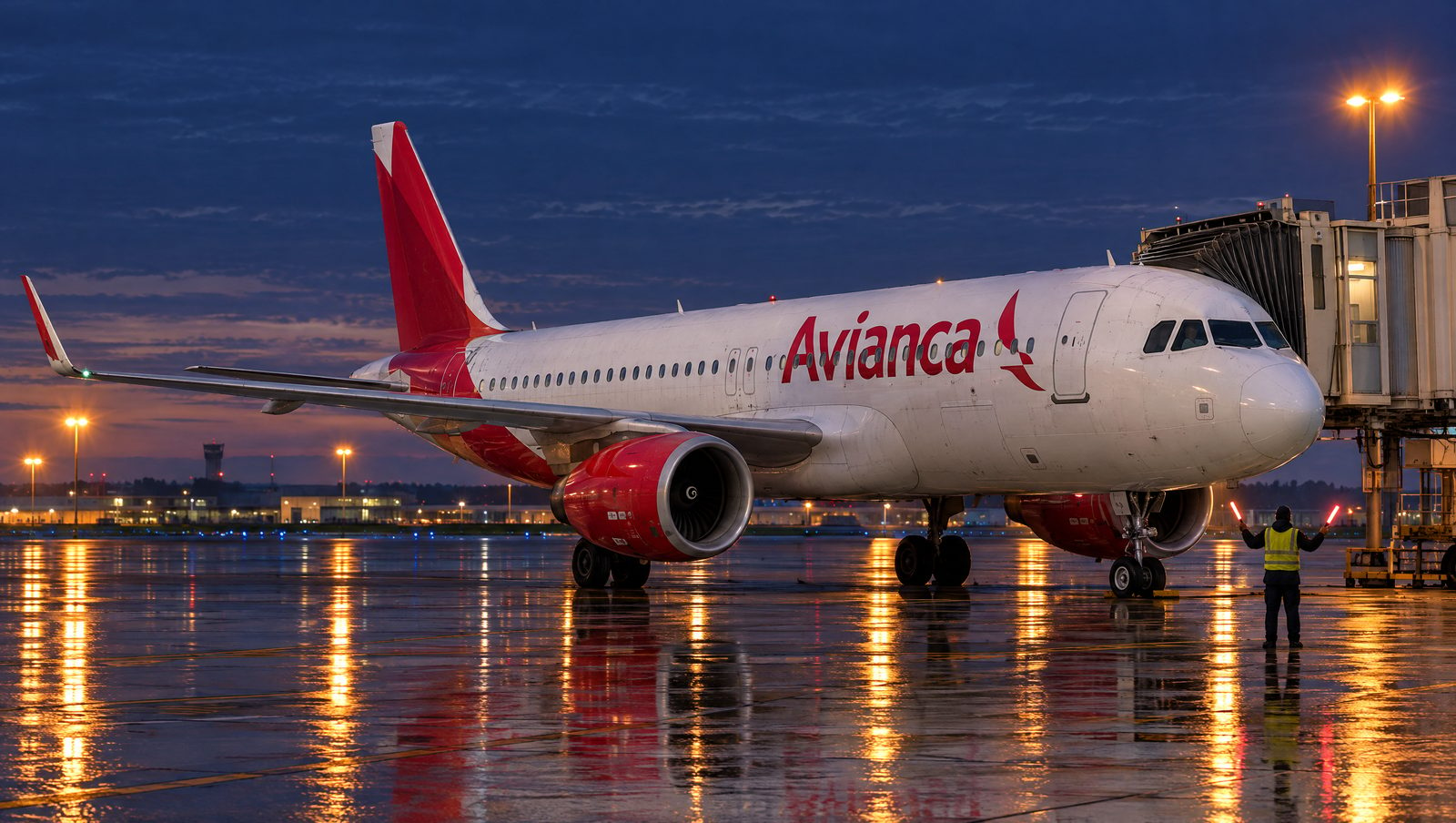
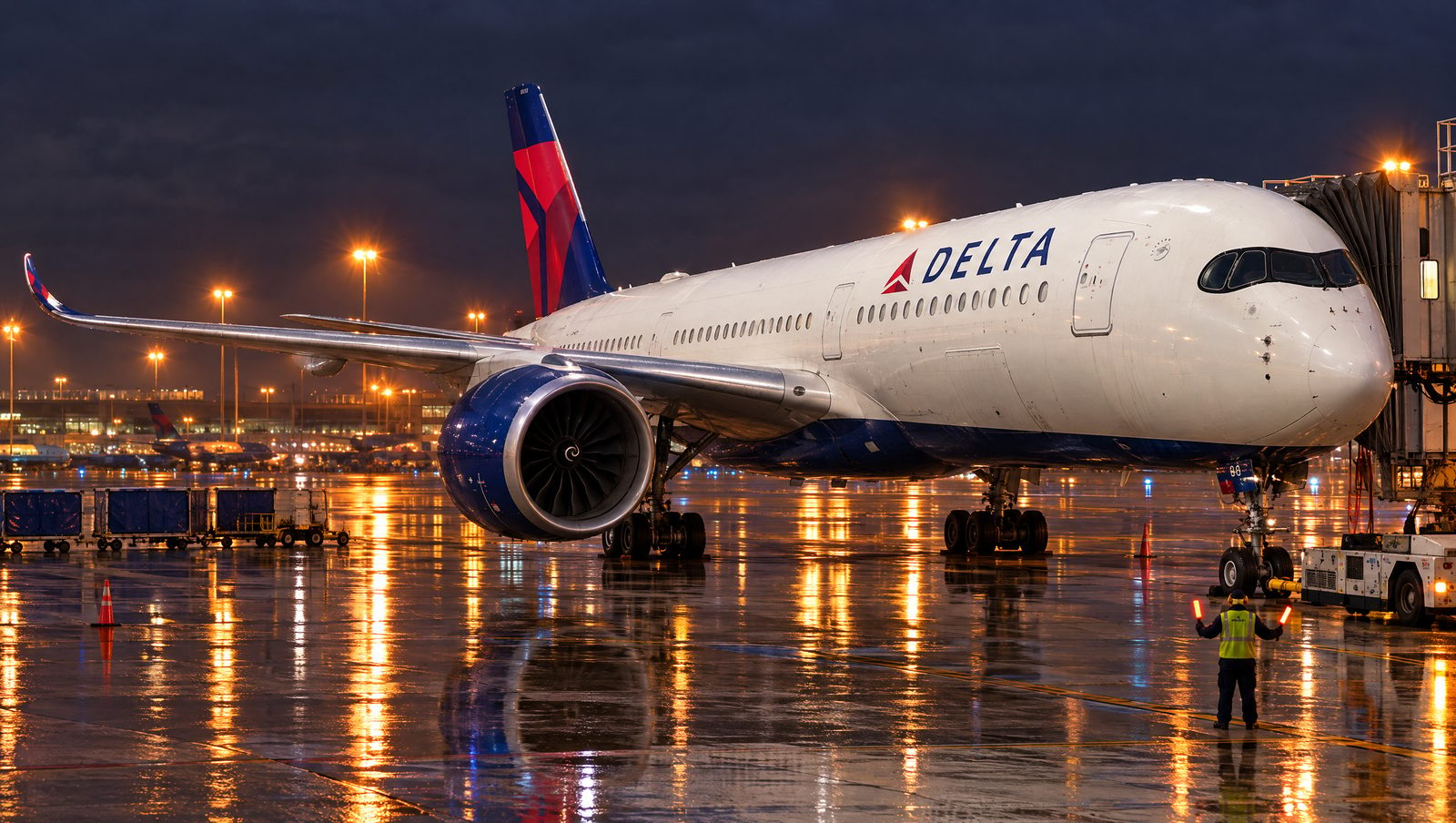
The progression is easy to trace by weight. The Boeing 777 is around 8% composite. The Airbus A320 is about 10%, and the Airbus A380 reaches roughly 25%. Then comes the step change: the Boeing 787 Dreamliner and the Airbus A350 XWB are majority composite by weight, and over 80% composite by construction.
Why that is a problem at the end of the line
Aircraft teardown is a business, and the business model rests on two revenue streams. The first is used serviceable material, meaning engines, landing gear, avionics and other parts that can be recertified and sold back into the fleet. The second is scrap value from the airframe itself once the useful parts are gone.
For an aluminium aircraft, that second stream works well. Aluminium alloy is straightforward to identify, separate and melt down, and it retains meaningful value on the commodity market. A stripped aluminium fuselage is not just waste to be disposed of; it is a saleable asset that helps pay for the dismantling.
Composite structure does not behave that way. CFRP cannot be melted and recast. The carbon fibres are locked into a cured resin matrix, and recovering them means breaking that matrix down through processes such as pyrolysis or chemical treatment, which require dedicated facilities and energy. What comes out is generally shorter, lower-grade fibre suited to secondary applications rather than to new primary aircraft structure.
Downcycling, not recycling
The practical result is downcycling. Recovered fibre tends to end up in automotive components, sporting goods, industrial panels and similar products rather than back in an airframe. That is far better than landfill, but it means the recovered material does not command anything like the value of the fibre that went in, and the recovery cost is high enough that the economics only work at scale.
Very little of that scale exists yet, for a simple reason: the aircraft in question are still young. The 787 entered service in 2011 and the A350 in 2015, and the vast majority of both fleets are nowhere near retirement. Teardown yards are currently working through aluminium-era widebodies, not composite ones.
A problem arriving on a schedule
That is exactly why the issue is worth raising now. Unlike most end-of-life problems, this one has a visible timetable. The industry knows roughly how many composite airframes exist, when they were built, and therefore when the first significant wave of retirements will arrive. Building the processing capacity and the certified recovery pathways takes years, and the work has to start well before the aircraft do.
Manufacturers, lessors and specialist recyclers have all been developing composite recovery methods, and regulators have pushed for higher recyclability targets on new programmes. Whether that translates into a genuinely circular pathway for the fibre, or simply a tidier form of downcycling, is still an open question, and it is one the next generation of composite airliners will only make larger.
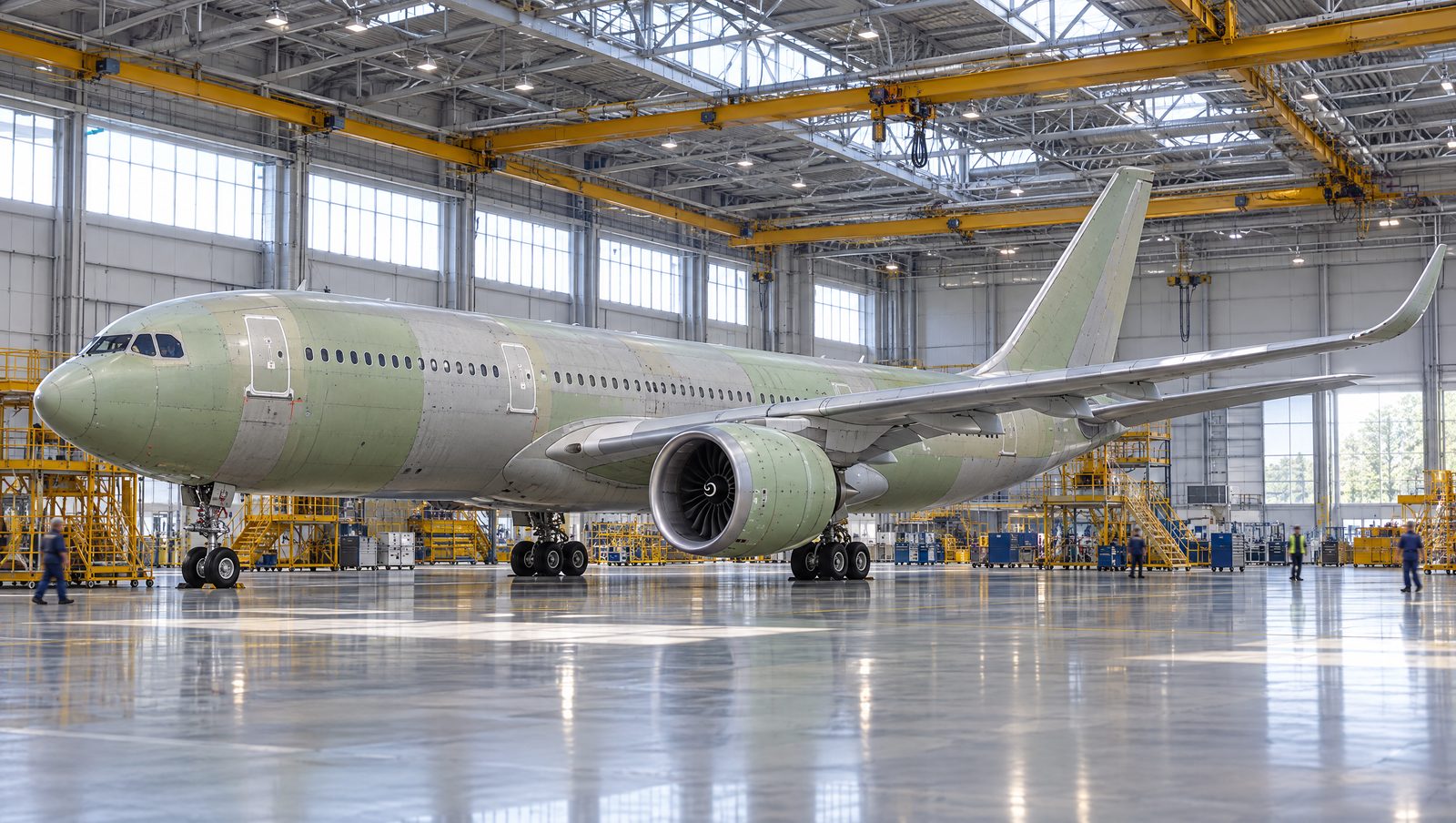
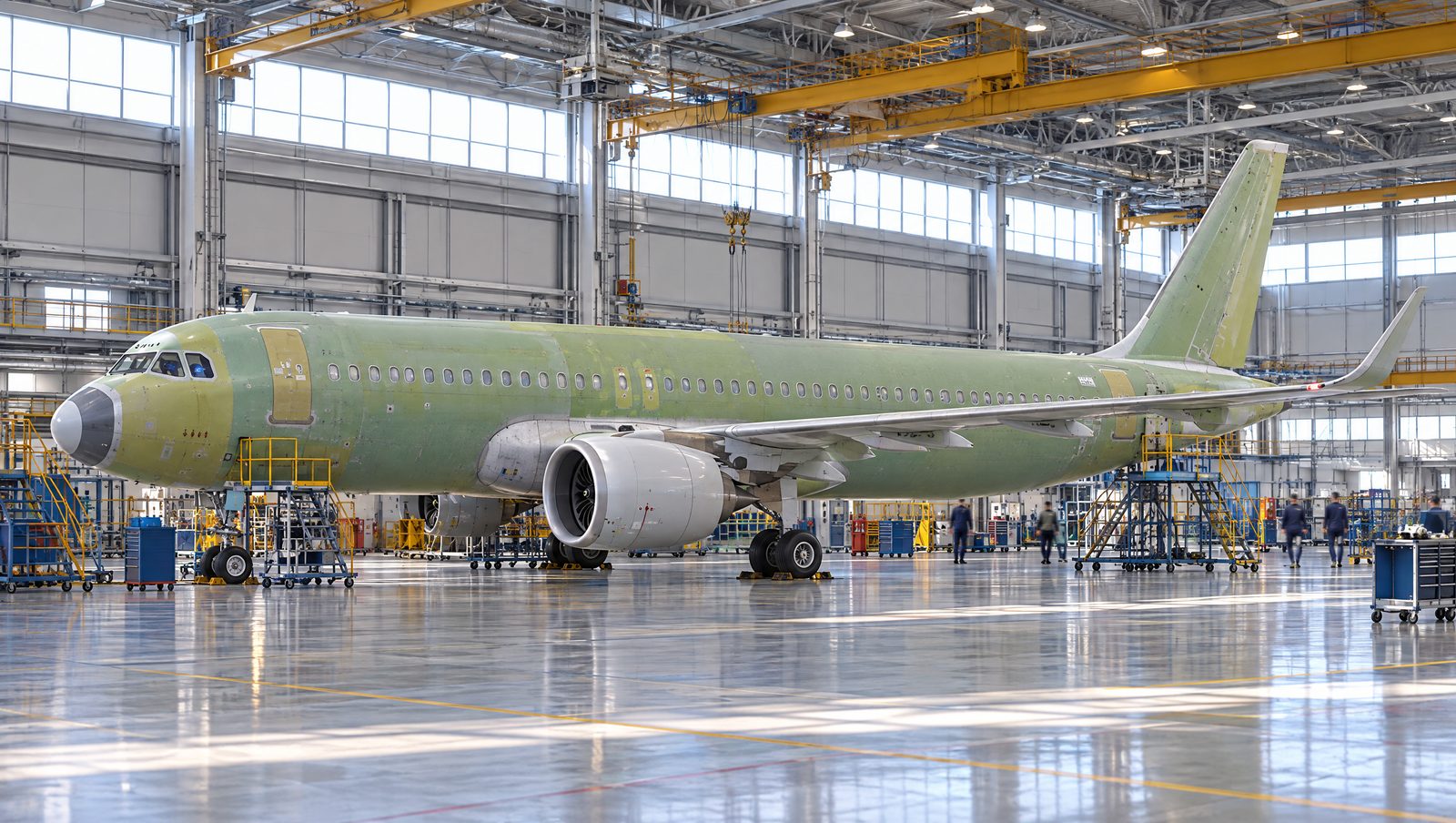
Sources: Simple Flying. Featured image: AI-generated by AviationShop. By Marco Bianchi.






Comments
Loading comments…