


Allegiant Air is undertaking a significant network restructuring for its summer 2026 schedule, cutting 61 routes and withdrawing entirely from Los Angeles—a move that marks a notable shift in the ultra-low-cost carrier's strategic footprint. The decision reflects broader challenges facing leisure-focused airlines as they navigate changing demand patterns, fuel costs, and competitive pressures in an increasingly fragmented market.
The removal from Los Angeles represents a particularly symbolic retreat for Allegiant, which has built its business model around secondary and underserved markets where larger carriers have minimal presence. Los Angeles International Airport, despite its congestion and high operational costs, has traditionally been a touchstone market for carriers seeking to establish broad geographic reach. Allegiant's exit suggests that the economics of operating there no longer align with the airline's profitability targets, even as other ultra-low-cost carriers maintain selective presence in major metropolitan areas.
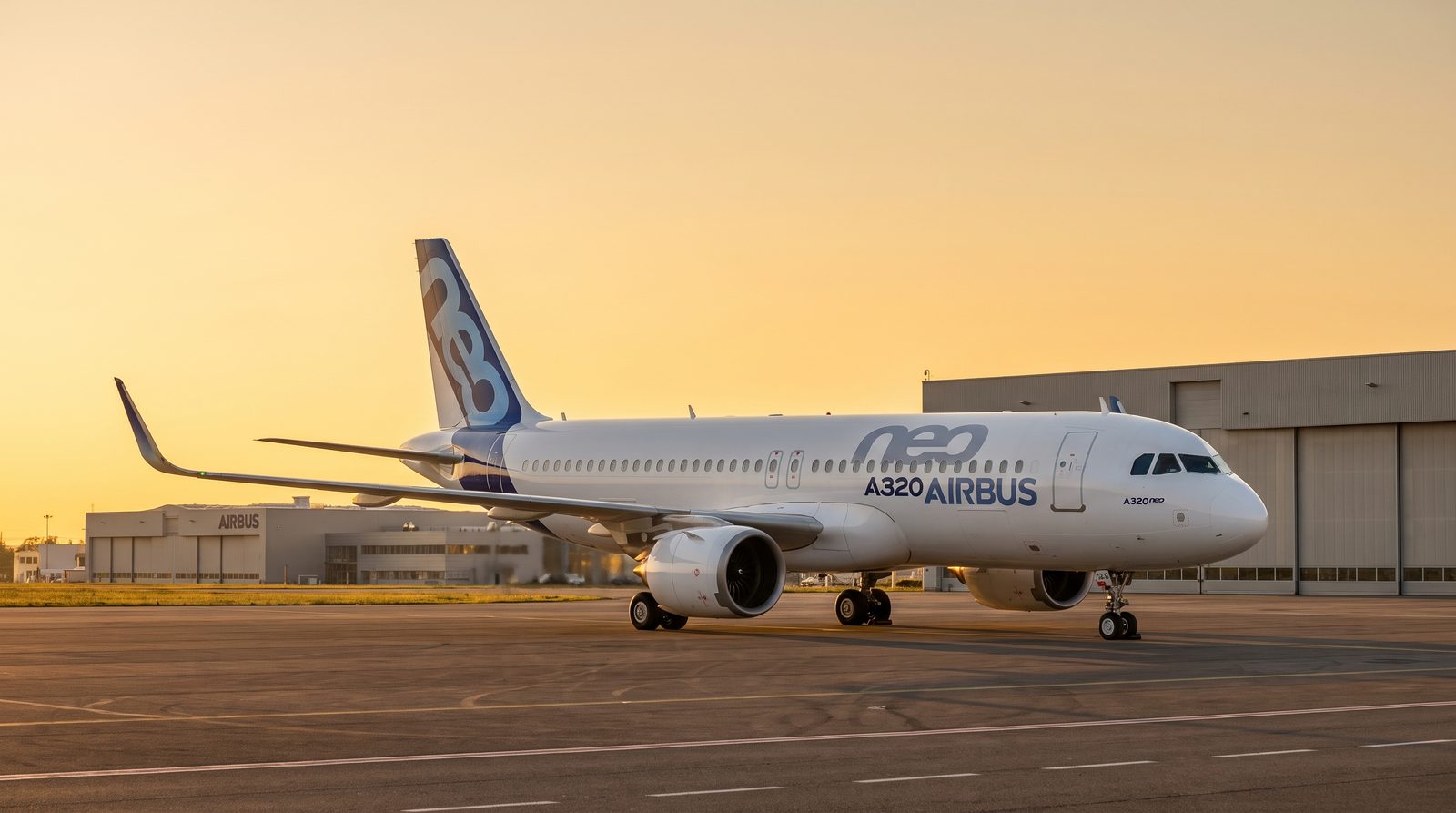
Allegiant operates a fleet predominantly composed of Airbus A320 aircraft, a single-aisle, narrowbody jet that seats approximately 180 passengers in the airline's high-density configuration. The A320 family has long been the workhorse of low-cost carriers worldwide due to its fuel efficiency, reliability, and availability of used airframes on the secondary market—critical factors for operators operating on razor-thin margins. The A320's economics are central to Allegiant's model; the aircraft allows the airline to serve point-to-point leisure routes with minimal crew and maintenance overhead compared to larger widebody jets.
The 61-route reduction represents a meaningful contraction of Allegiant's network, though the airline has not disclosed the total number of routes in its 2026 summer schedule, making it difficult to calculate the percentage reduction. However, cuts of this magnitude typically signal either fleet reductions, capacity right-sizing, or reallocation of aircraft to more profitable markets. Route cuts are often accompanied by aircraft retirements or lease returns, particularly for airlines operating aging narrowbody fleets where maintenance costs escalate over time.
Ultra-low-cost carriers like Allegiant operate on compressed margins that leave little room for underperforming routes. Unlike legacy carriers with diversified revenue streams and premium cabin offerings, Allegiant depends almost entirely on base fares and ancillary revenue—seat selection fees, baggage charges, and onboard sales. When a route fails to achieve target load factors or ticket prices, the economics deteriorate rapidly. The summer 2026 restructuring likely reflects detailed capacity analysis showing that 61 routes were not generating sufficient revenue to cover their direct operating costs plus allocated overhead.
The timing of this announcement—positioned well ahead of the 2026 summer season—gives Allegiant time to communicate changes to frequent travelers and adjust its marketing strategy. For affected markets, the withdrawal may open opportunities for competitors or leave some communities with reduced air service alternatives, particularly if Allegiant was the primary or only carrier on certain routes. Secondary markets dependent on Allegiant service may experience significant disruption, as the airline has historically targeted leisure travelers in locations underserved by major carriers.
Looking forward, the restructuring may signal Allegiant's recognition that post-pandemic travel demand has stabilized at different levels than projected, and that certain leisure destinations have become oversaturated with capacity. The retention of profitable routes while cutting underperformers is a rational response to market realities, though it underscores the volatility inherent in the ultra-low-cost carrier model, where operations are optimized to such fine margins that even modest demand shortfalls trigger network reductions.
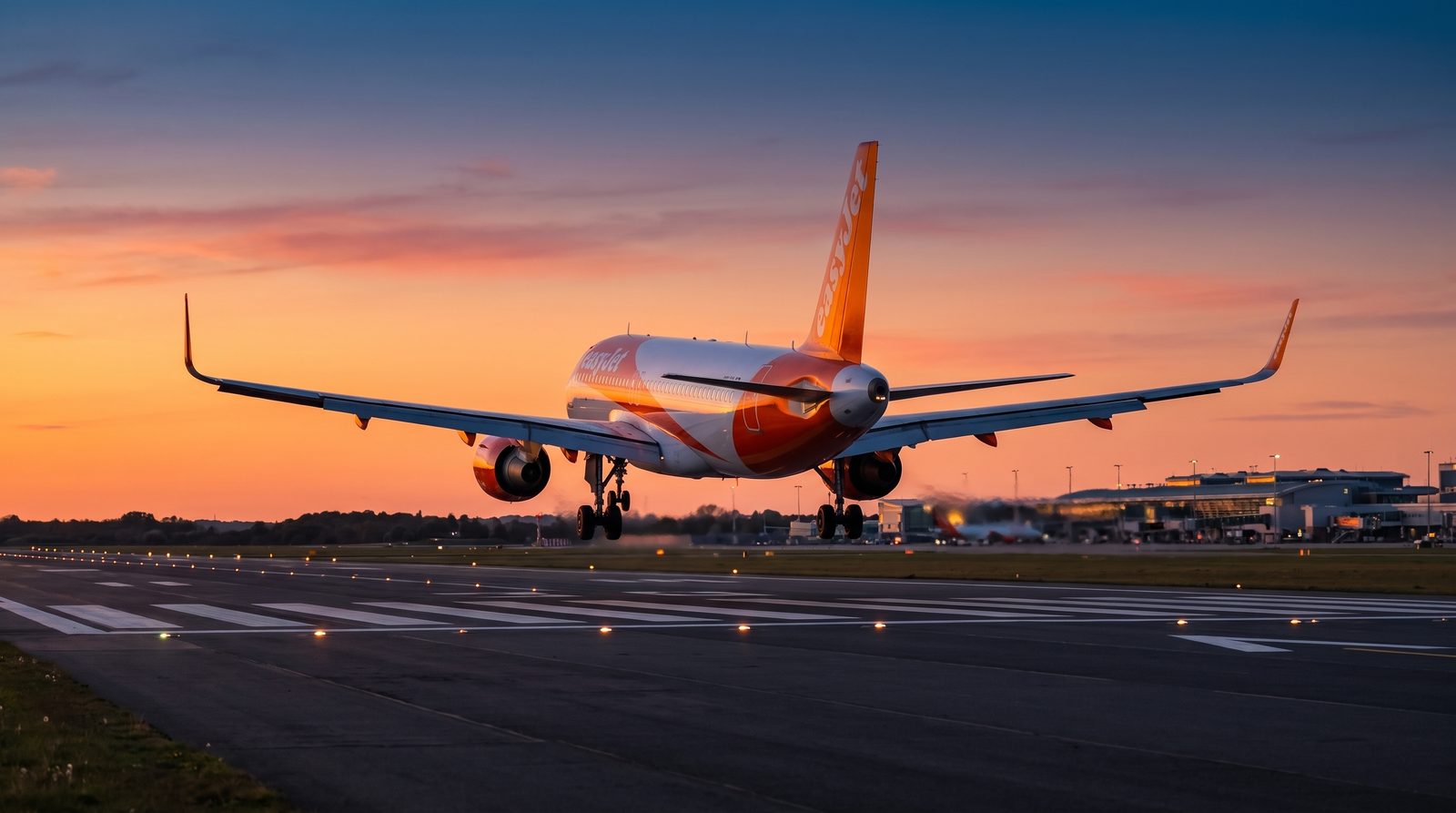
Compiled from publicly available aviation news sources. Featured image: AI-generated by AviationShop. This article is original editorial content; facts have been verified across multiple public sources.


Comments
Loading comments…