


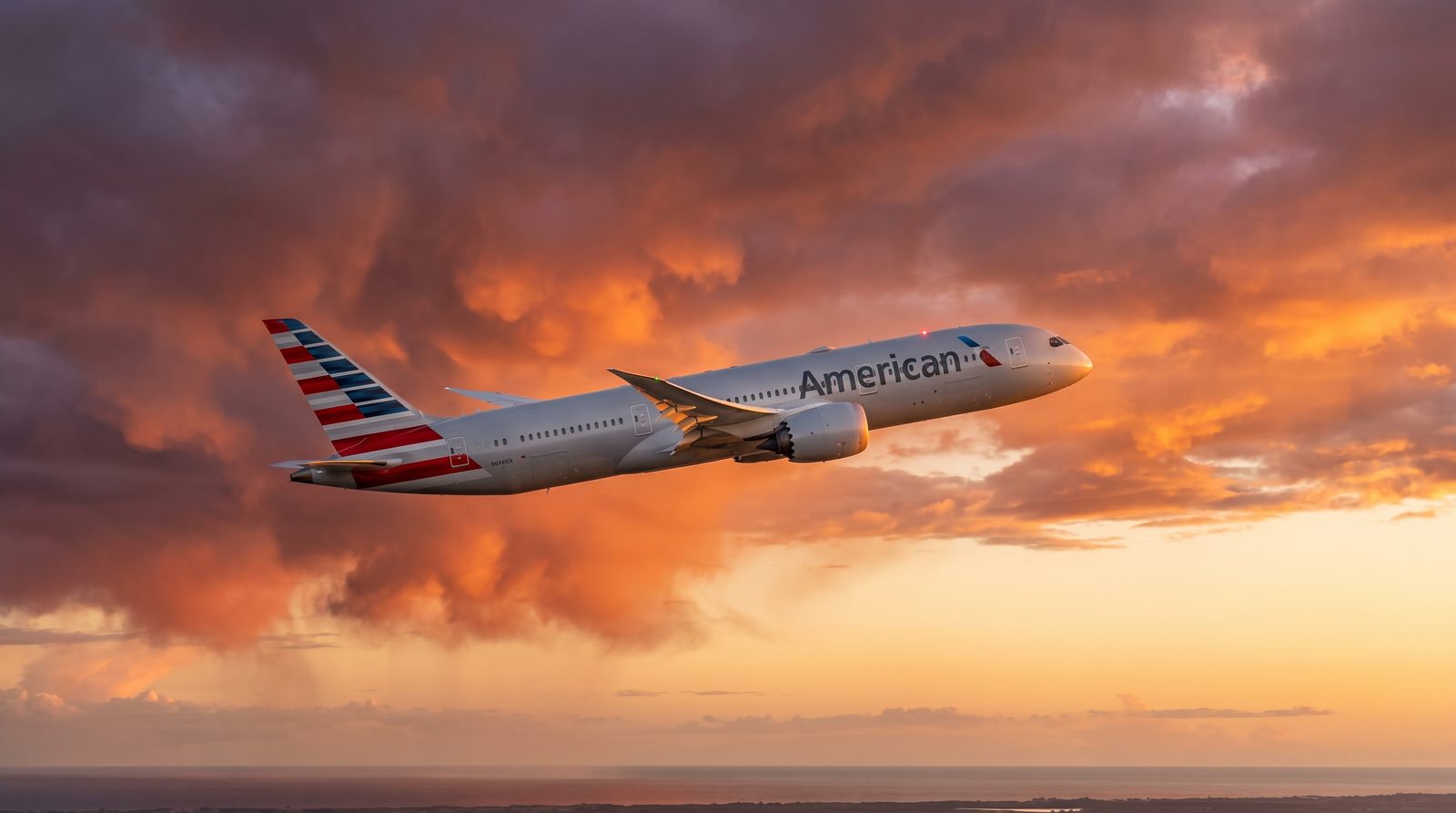
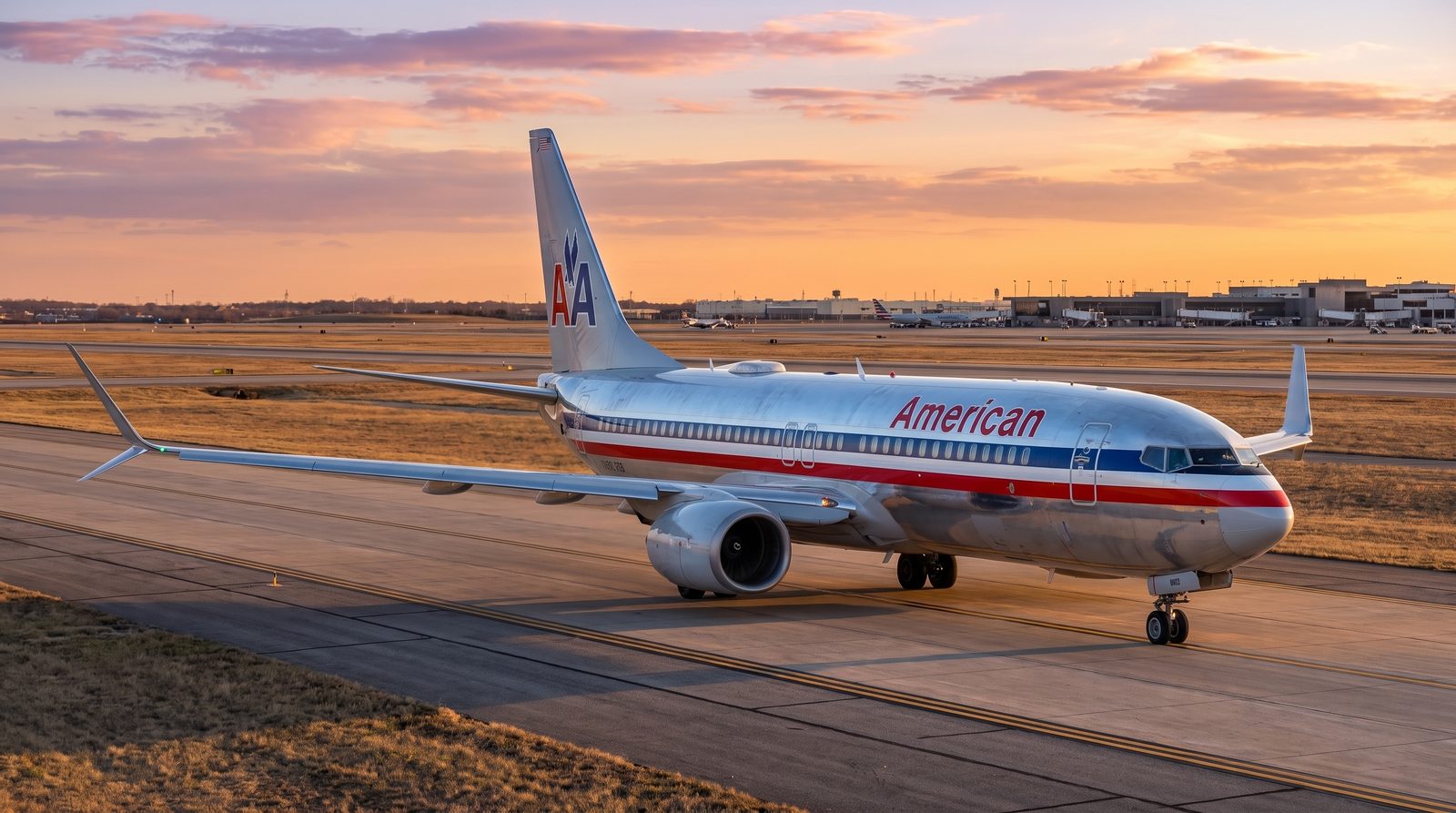
American Airlines and Starlux Airlines are preparing a reciprocal codeshare that schedule filings point to a late-September 2026 start. AeroRoutes reports that American's weekend-of-19 September schedule update shows the partnership becoming bookable as early as 30 September, initially covering Starlux-operated Taipei Taoyuan flights into California and the Pacific Northwest plus a long list of American-operated domestic sectors behind Los Angeles and Phoenix.
On the Pacific side, American plans to place its code on Starlux metal between Taipei Taoyuan and Los Angeles, San Francisco, and Seattle. Those city pairs give American a one-world-adjacent retail path into Taiwan without launching its own Taipei flying, while Starlux gains distribution through American's U.S. sales channels on the long-haul legs it already operates. Ontario was also listed in the broader Starlux-operated set in the AeroRoutes filing; this article focuses on the primary Los Angeles, San Francisco, and Seattle gateways that dominate West Coast–Taipei demand.
Behind those gateways, Starlux is expected to place its code on American domestic flights from Los Angeles to a wide domestic map that includes Atlanta, Charlotte, Chicago O'Hare, Dallas/Fort Worth, Denver, Las Vegas, Miami, New York JFK, Orlando, and Philadelphia, plus a Phoenix-centered set spanning Albuquerque, Austin, Boston, El Paso, Kansas City, St. Louis, San Diego, Tucson, and Washington Reagan. AeroRoutes notes that Starlux has not yet filed every codeshare schedule on its own side, so the American listing is the current public signal rather than a final bilateral timetable.
For travelers, the practical change is itinerary construction. A passenger can, once the codeshare is live, buy an American ticket that includes a Starlux Taipei flight and connecting American domestic segments under a single confirmation, or the reverse where Starlux sells American domestic flights as oneworld-style connections behind its U.S. gateways. That matters for Taiwan–U.S. traffic that today often requires separate tickets or less seamless interline handoffs.
The timing is aggressive: filings point to a late-September launch window rather than a leisurely winter start. That suggests both airlines want the product visible before the Northern winter booking curve hardens. American gets incremental Taipei access through Starlux's growing long-haul narrowbody and widebody presence, while Starlux gets a deeper U.S. beyond map without waiting to build every spoke itself.
Codeshares can still slip, and AeroRoutes frames the network as based on American's schedule listing until Starlux mirrors the filings. Even so, the city pairs now in the public schedule file are specific enough for travelers and travel agents to watch American's booking path for Taipei–Los Angeles, Taipei–San Francisco, and Taipei–Seattle combinations as the 30 September window approaches. American's interest is distribution and network completeness rather than a sudden Taipei metal launch. Starlux already flies the Pacific gateways; American's code turns those flights into AA-marketed inventory that can connect to the carrier's domestic banks behind Los Angeles and Phoenix. Starlux, meanwhile, gains a U.S. beyond map that would take years to replicate with its own fleet. The AeroRoutes note that Starlux has not yet mirrored every domestic codeshare schedule is an important caveat for agents: some American-operated segments may appear in AA channels before they appear symmetrically in Starlux's own sell set. Travelers should confirm both operating carrier and marketing carrier on each coupon before assuming lounge or elite-benefit reciprocity. Even with that caveat, the late-September window and the named Taipei–Los Angeles, Taipei–San Francisco, and Taipei–Seattle pairs give the market a concrete watchlist instead of a vague partnership rumor. If the 30 September earliest date holds, winter 2026/27 shopping for Taiwan–West Coast itineraries will look different inside American's booking path within days, not months.

Comments
Loading comments…