


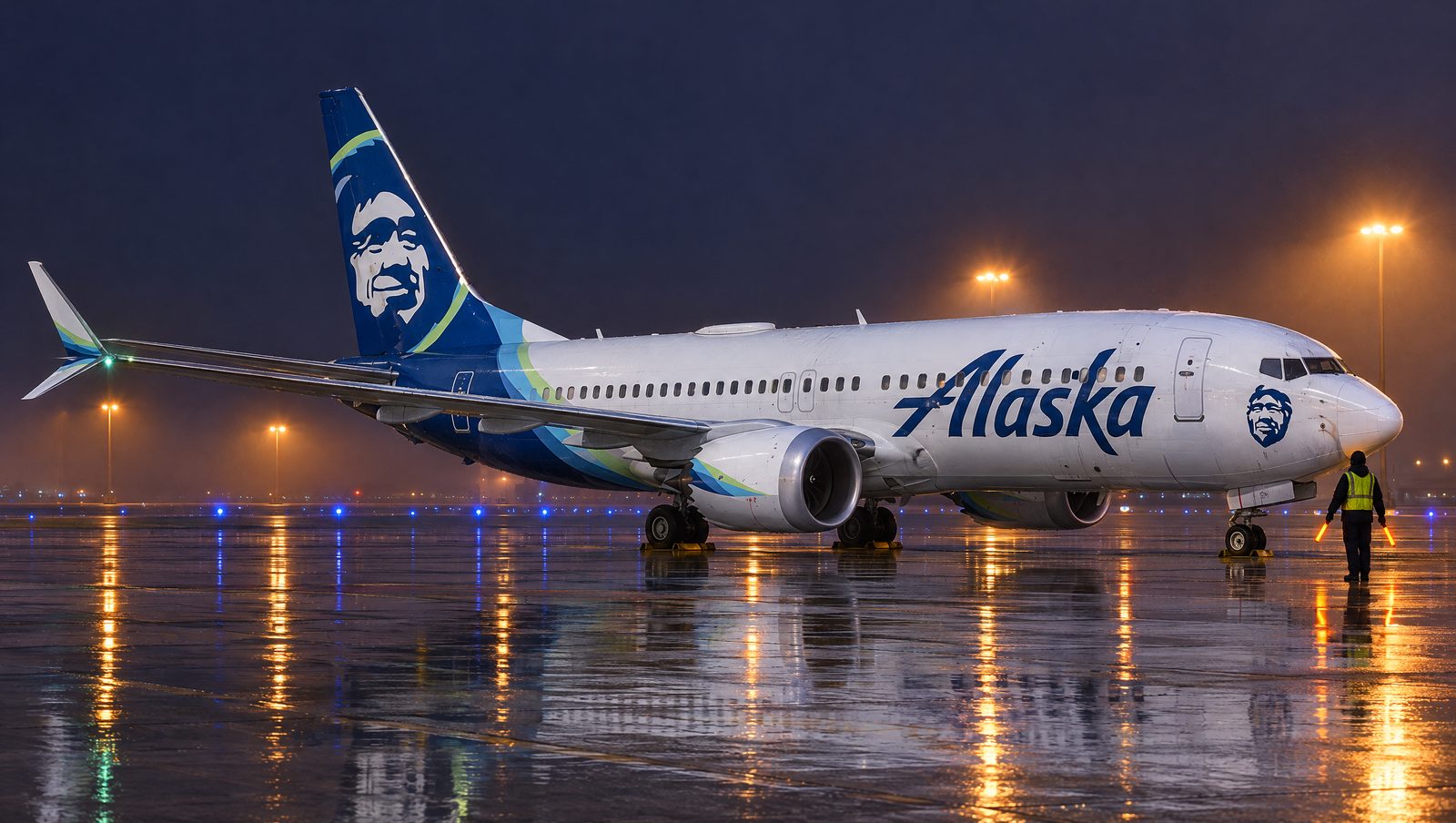
American Airlines flight AA1560, a Boeing 737 MAX 8 operating the busy New York JFK to Miami International route, abandoned its scheduled destination mid-flight on Wednesday and diverted to Fort Myers Southwest Florida International Airport for an unscheduled emergency landing. The aircraft, carrying a full load of passengers expecting an early evening arrival at MIA, set down at RSW in the early afternoon without further incident, although passengers reported a tense final hour onboard before the touch-down.
Flight tracking data showed AA1560 cruising on its planned routing down the eastern seaboard before initiating a course change roughly 250 miles short of Miami. The crew elected to descend toward Fort Myers rather than continue to the carrier's Florida hub, a decision typically reserved for mechanical, medical, or weather-related contingencies that make a faster landing the safer option. American Airlines has not publicly confirmed the specific trigger for the diversion, but the carrier's operations team coordinated ground services at RSW to receive the aircraft and meet passengers at the gate.
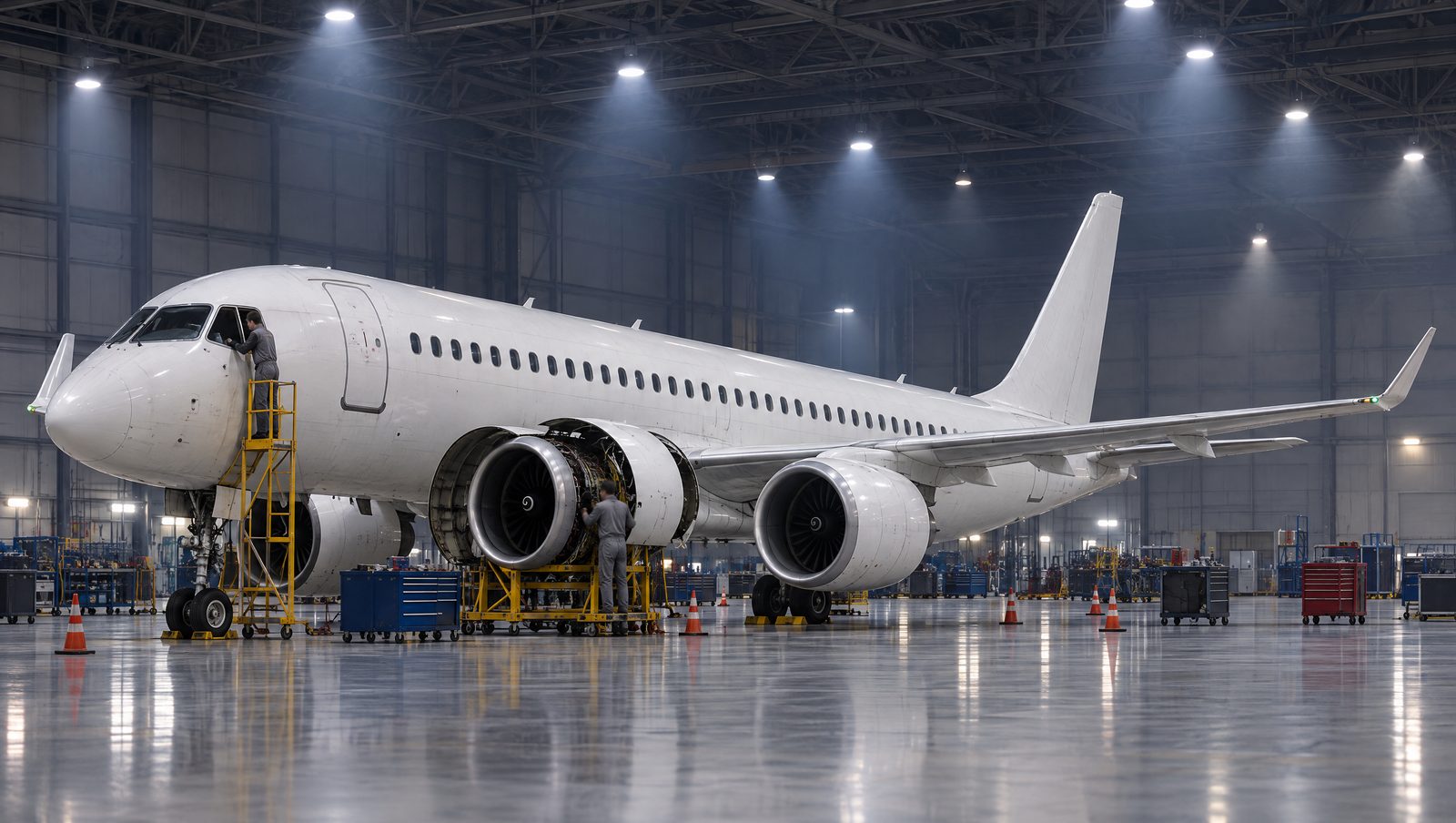
Fort Myers is not a regular American Airlines hub for narrowbody MAX operations of this size, and the unplanned arrival sent ripple effects through the airline's Florida network. Passengers were rebooked on the next available services to Miami, while the affected airframe was held at the gate for an engineering assessment. American operates one of the largest Boeing 737 MAX 8 fleets in the world after taking delivery of its 100th MAX earlier this week, and any inflight diversion of the type draws elevated attention given the regulatory focus that has surrounded the family since its return to service.
The Federal Aviation Administration requires airlines to log diversions and the underlying reason, and the data feeds directly into the agency's Aviation Safety Information Analysis and Sharing programme. While most diversions never escalate beyond a precautionary landing, the timing of AA1560's unscheduled stop is notable, coming during a month in which several US carriers have logged high-profile inflight events. American Airlines said it was reviewing the circumstances and that its priority was the wellbeing of customers and crew.
For passengers, the experience was the latest reminder that even on a routine 1,090-mile domestic hop, a diversion can extend a three-hour flight by half a day. American Airlines confirmed it would provide updates on the affected aircraft once the engineering inspection concluded and the jet was either released back to revenue service or held for further evaluation.
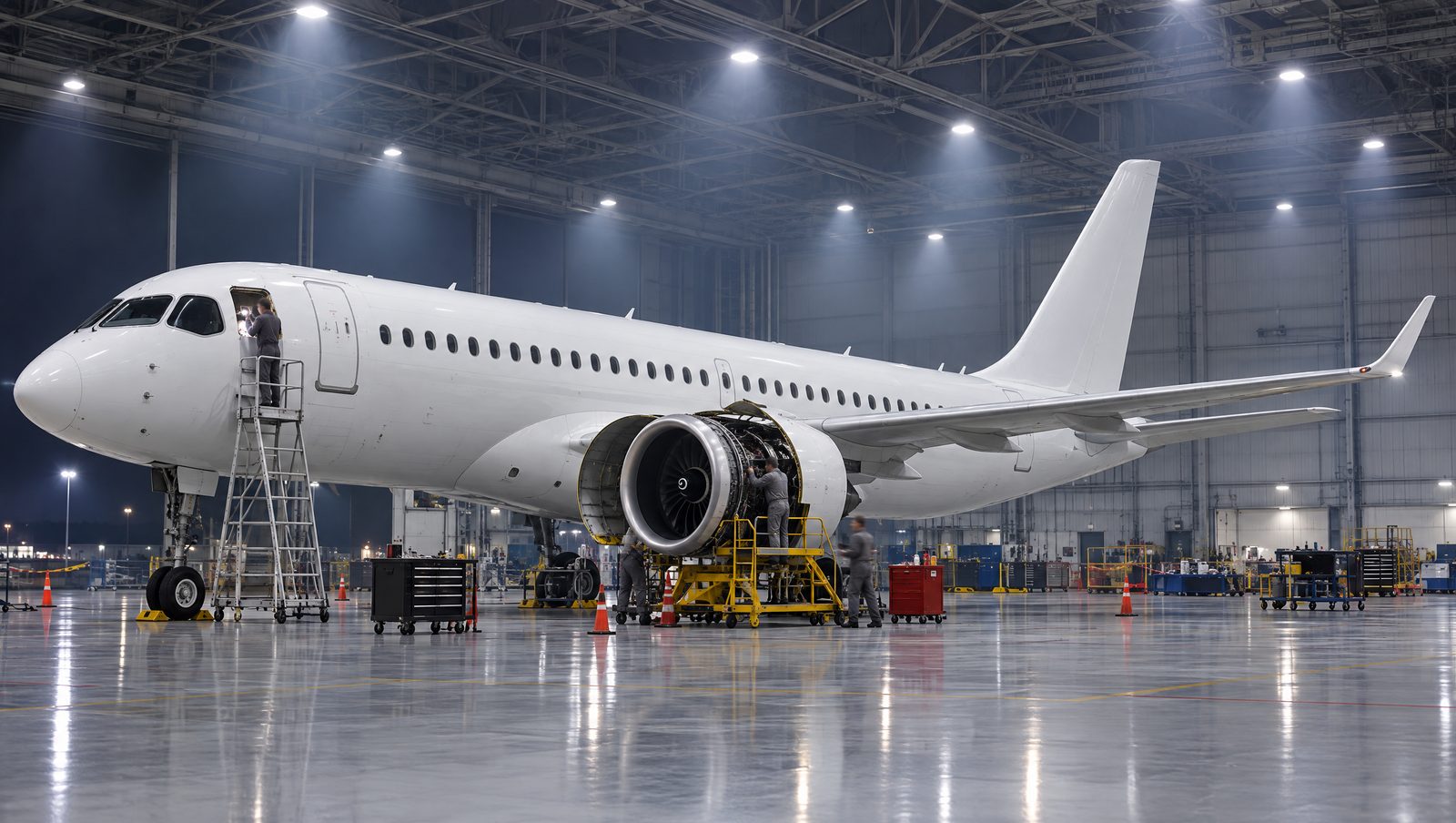
Compiled from publicly available aviation news sources. Featured image: AI-generated by AviationShop. This article is original editorial content; facts have been verified across multiple public sources.





Comments
Loading comments…