


An American Eagle flight operated under the American Airlines banner offered five passengers $1,200 each — a total of $6,000 in voluntary compensation — to leave the aircraft before pushback after pre-departure checks revealed the regional jet was over its certified maximum takeoff weight. Rather than enforce involuntary denied boarding, the airline opened a bidding-style buyback in the cabin, and five travelers raised their hands within minutes, accepting the cash offer and rebooking onto the next available service.
The incident underscores a problem that has quietly intensified across U.S. regional networks throughout 2026: rising average passenger and baggage weights, longer summer routings on smaller regional jets, and tighter Federal Aviation Administration safety margins on takeoff weight are producing more frequent weight-and-balance overruns at the gate. With fuel loads pre-calculated for the planned route and runway length fixed, the only remaining variable in the equation is bodies and bags onboard.
How Weight And Balance Buyouts Work
U.S. carriers calculate every departure against a maximum certified takeoff weight that varies by aircraft type, runway, temperature, and altitude. When the aircraft is over that ceiling — even by a few hundred pounds — federal regulations require the airline to remove weight before pushback. Airlines have three options: offload cargo and checked baggage, defuel and add a fuel stop, or remove passengers. Voluntary offers like this one are far cheaper and far less disruptive than the alternatives, which is why bid prices have climbed sharply in 2026 as airlines compete for compliant volunteers.
The $1,200 per passenger figure is notable. Industry data shows the typical voluntary denied boarding compensation has historically sat between $400 and $800 in cash or travel credit. The doubling reflects both summer demand — when rebooking options are scarce — and FAA enforcement scrutiny that has discouraged carriers from pushing the limits.
Why It Is Happening More Often
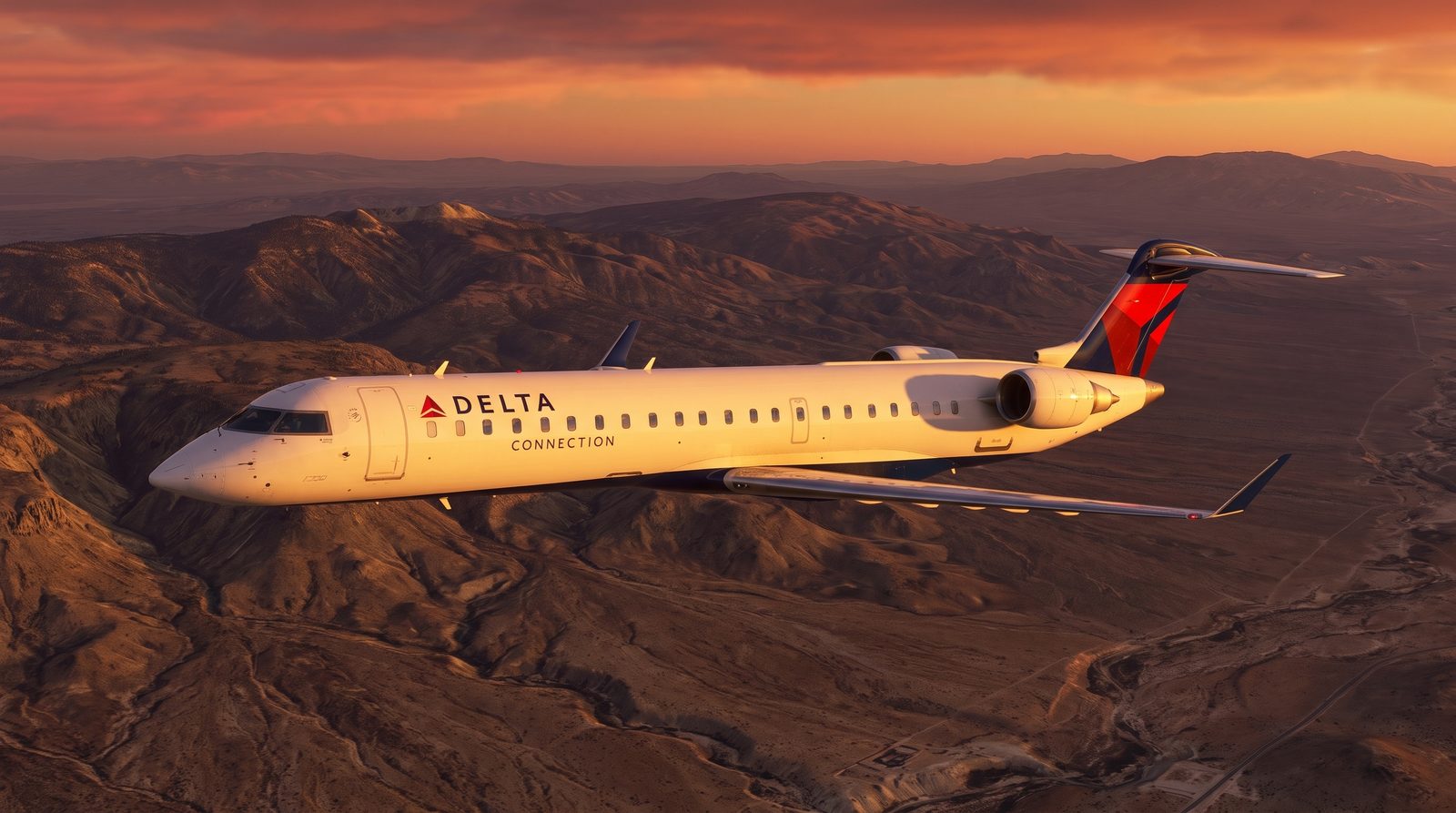
Regional jets like the Embraer E175 and Bombardier CRJ-700/900, which dominate American Eagle, Delta Connection, and United Express operations, have very little weight margin compared to larger mainline aircraft. The FAA also updated its standard passenger weight assumptions in 2023, raising the average male passenger figure from 200 to 210 pounds in summer and increasing carry-on assumptions to reflect heavier modern bags. The combined effect has been small per-passenger but meaningful at the airplane level — enough to tip marginally-loaded flights into a weight violation on warm days.
For passengers, the takeaway is that those impromptu $1,200 cabin announcements may become more common this summer. For airlines, the math is straightforward: a $6,000 buyout is far cheaper than a delayed departure, a fuel stop, or a cancelled rotation.
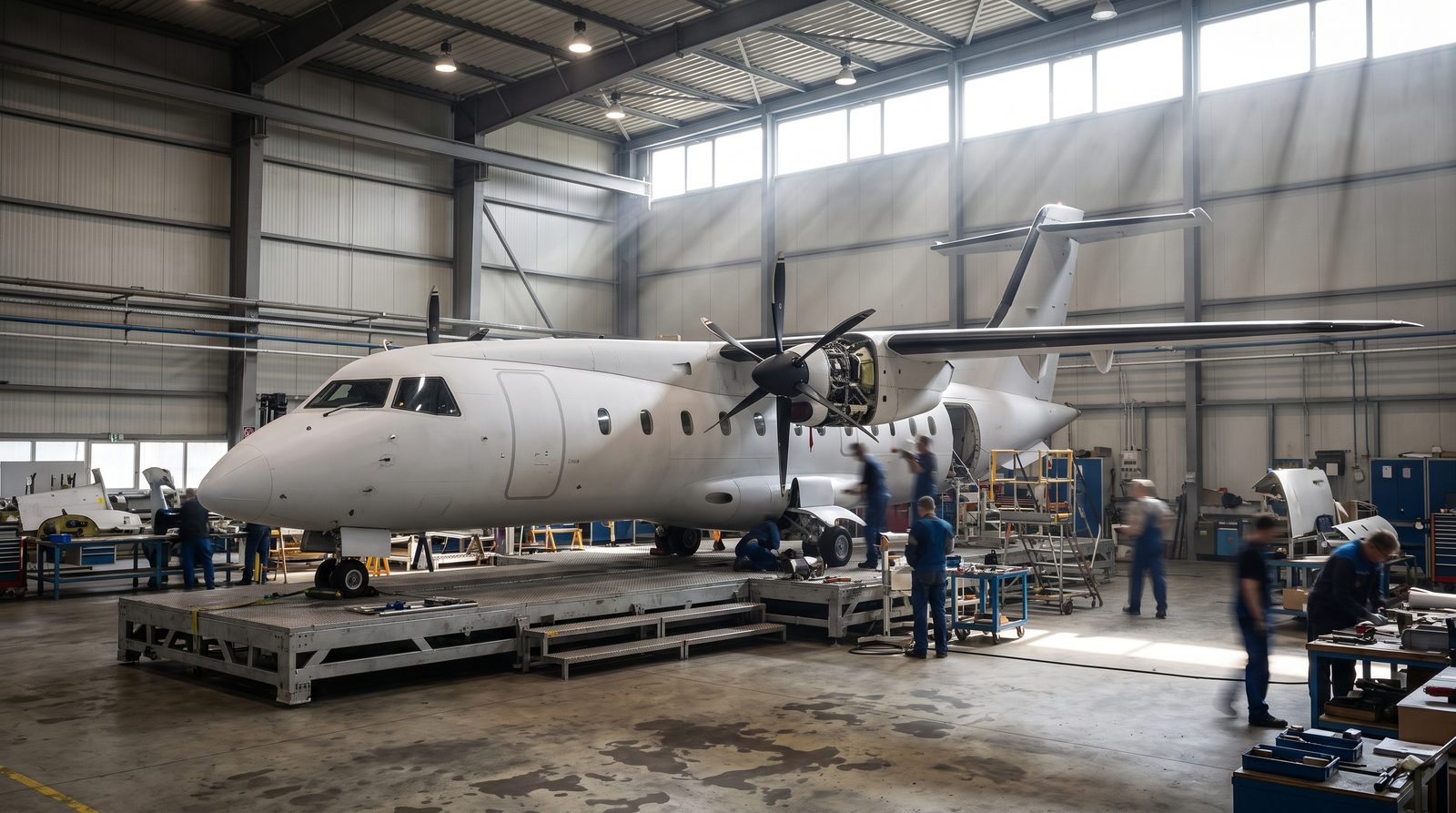
Compiled from publicly available aviation news sources. Featured image: AI-generated by AviationShop. This article is original editorial content; facts have been verified across multiple public sources.




Comments
Loading comments…