


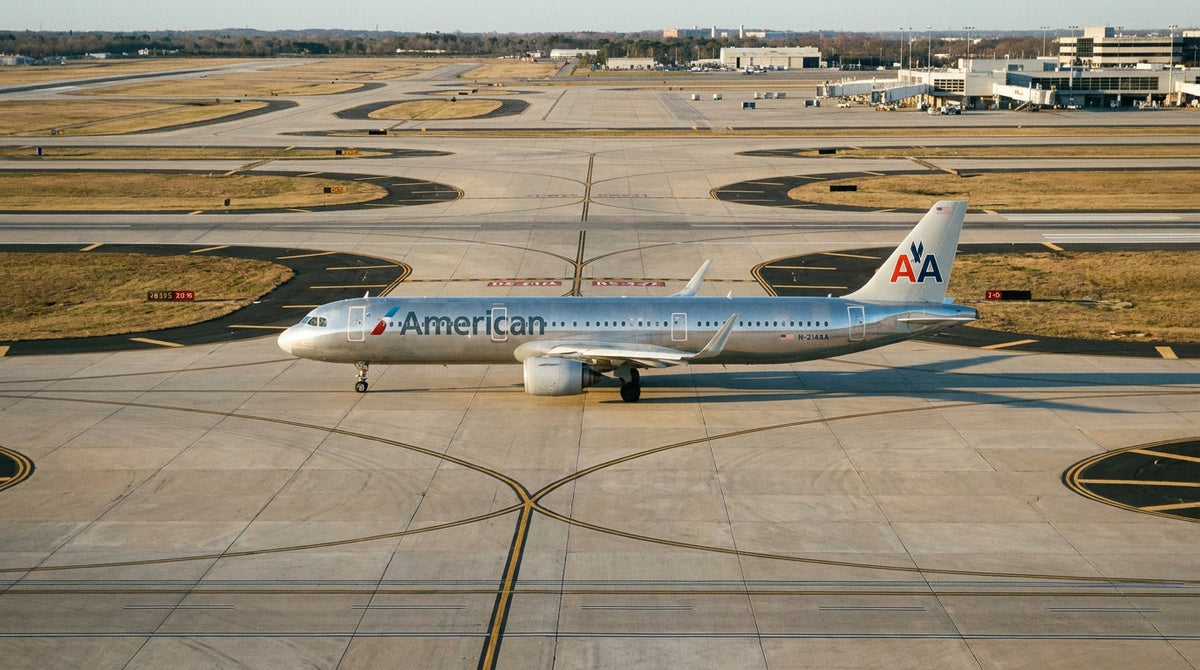
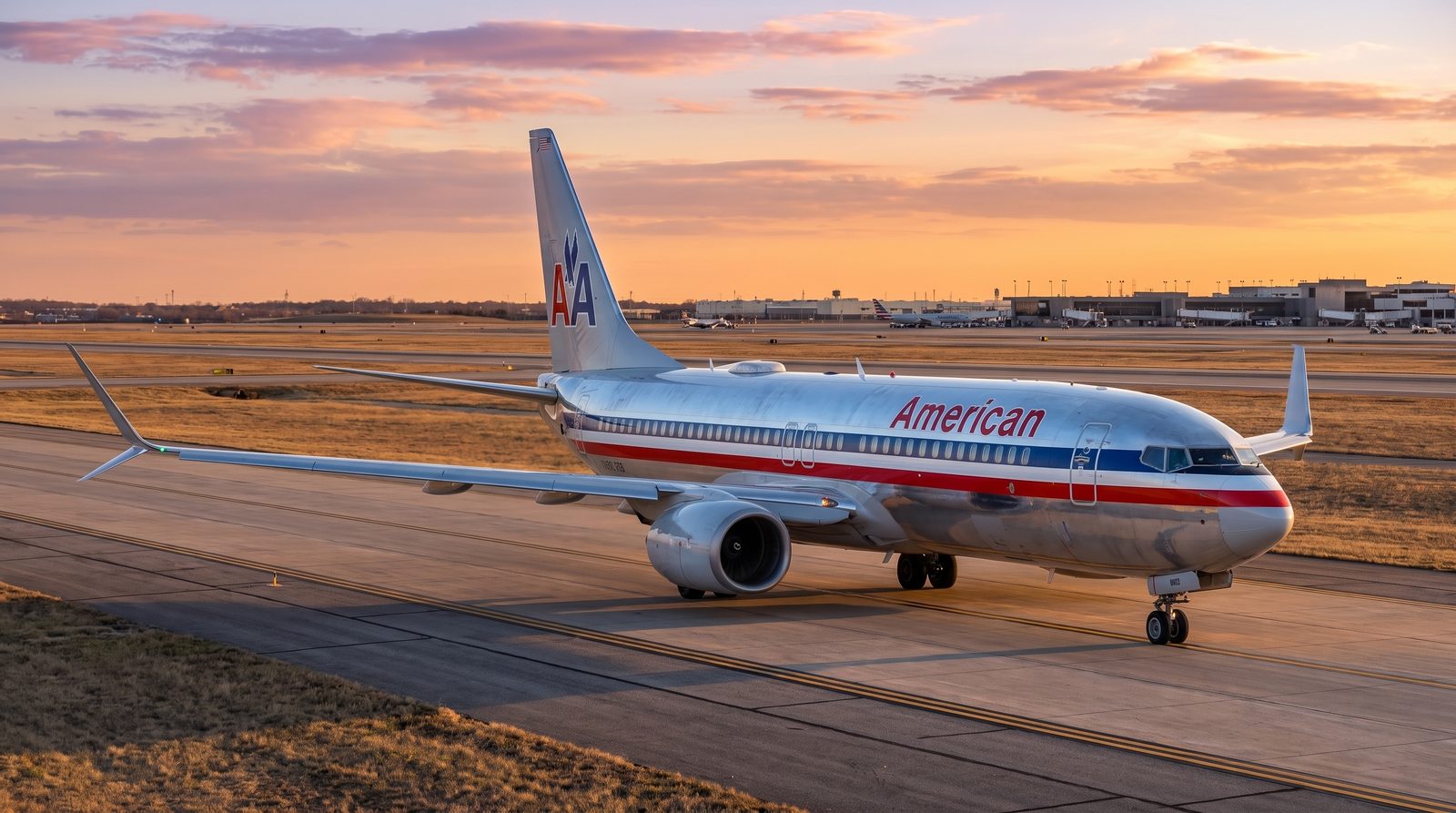
American Airlines has scheduled the shortest flight it has ever operated with the Airbus A321XLR, deploying its longest-range narrowbody on a 243-nautical-mile (450 km) hop between Philadelphia International Airport (PHL) and Boston Logan International Airport (BOS). The service begins later this October, and while the airframe is built for transatlantic distances, it will spend part of its day covering a route most travelers associate with regional jets.
The short segment is not a new market play so much as a repositioning move. The A321XLR involved rotates onward to the West Coast, and the Philadelphia–Boston leg slots the aircraft into American’s network before it continues toward Los Angeles. That kind of positioning flight is common across large fleets, but it is unusual to see an ultra-long-range jet handle a sub-250-mile trip that it can complete in well under two hours.
For passengers, the quirk is a genuine upgrade. The A321XLR is American’s newest and most modern narrowbody, and its cabin carries technology that short-haul flyers rarely encounter on a domestic shuttle. That includes updated seatback screens, larger displays, and enhanced in-seat power options — features designed for long transatlantic sectors that now, briefly, ride along on a quick northeastern hop.
The Airbus A321XLR is the extra-long-range member of the A321neo family, engineered to fly routes previously reserved for widebodies. American has positioned the type as a tool for opening thinner long-haul markets, particularly across the Atlantic, where the aircraft can serve city pairs that would not support a larger jet. Using it on a short domestic leg underlines how airlines juggle a single airframe across wildly different mission profiles in the same 24-hour cycle.
Philadelphia is one of American’s primary international gateways, and Boston is a high-frequency business market a short distance up the coast. The two cities are already connected by multiple daily flights, so the XLR’s appearance does not add capacity in a way most customers will notice on paper. What changes is the equipment: for a handful of travelers on the right departure, an aircraft built for ocean crossings becomes the ride for a flight barely longer than the boarding process.
The deployment is a reminder that fleet planning is rarely about a single route. Repositioning legs, crew rotations, and maintenance schedules all shape where an aircraft appears on any given day. For aviation enthusiasts, it offers a rare chance to catch a next-generation long-haul narrowbody on one of its shortest assignments anywhere in American’s system.
Sources: Simple Flying, InsideFlyer. Featured image: AI-generated by AviationShop. By James Holloway.






Comments
Loading comments…