


Regional aircraft manufacturer ATR hopes to complete the first "baseline" design of its hybrid-electric ATR 72-600 demonstrator by the end of this year, keeping a planned 2029 first flight in play. A successful validation of the technology would then inform the design of the airframer's proposed Evo variant, which is targeted at service entry around 2035.
Importantly, hybrid-electric propulsion is not the only route being studied for the Evo. A next-generation conventional turboprop engine is also under consideration, and the demonstrator programme is best understood as a way of narrowing the options rather than a commitment to a single architecture.
Four projects, one objective
ATR's work is being informed by four separate projects that kicked off earlier this year, all part-funded by the European Union's Clean Aviation body under its second phase. Clean Aviation allocated a total of EUR 154 million to the four projects, against a combined cost of EUR 231 million.
Two of the four — PHARES and OSYRYS — are directed by Pratt & Whitney Canada and Safran respectively. The other pair, HERACLES and DEMETRA, are led by ATR itself.
"It is one of the first times in Clean Aviation where we have four integrated projects to deliver one objective," says Giovanna Ferraro, head of future projects and R&T at ATR.
How the demonstrator comes together
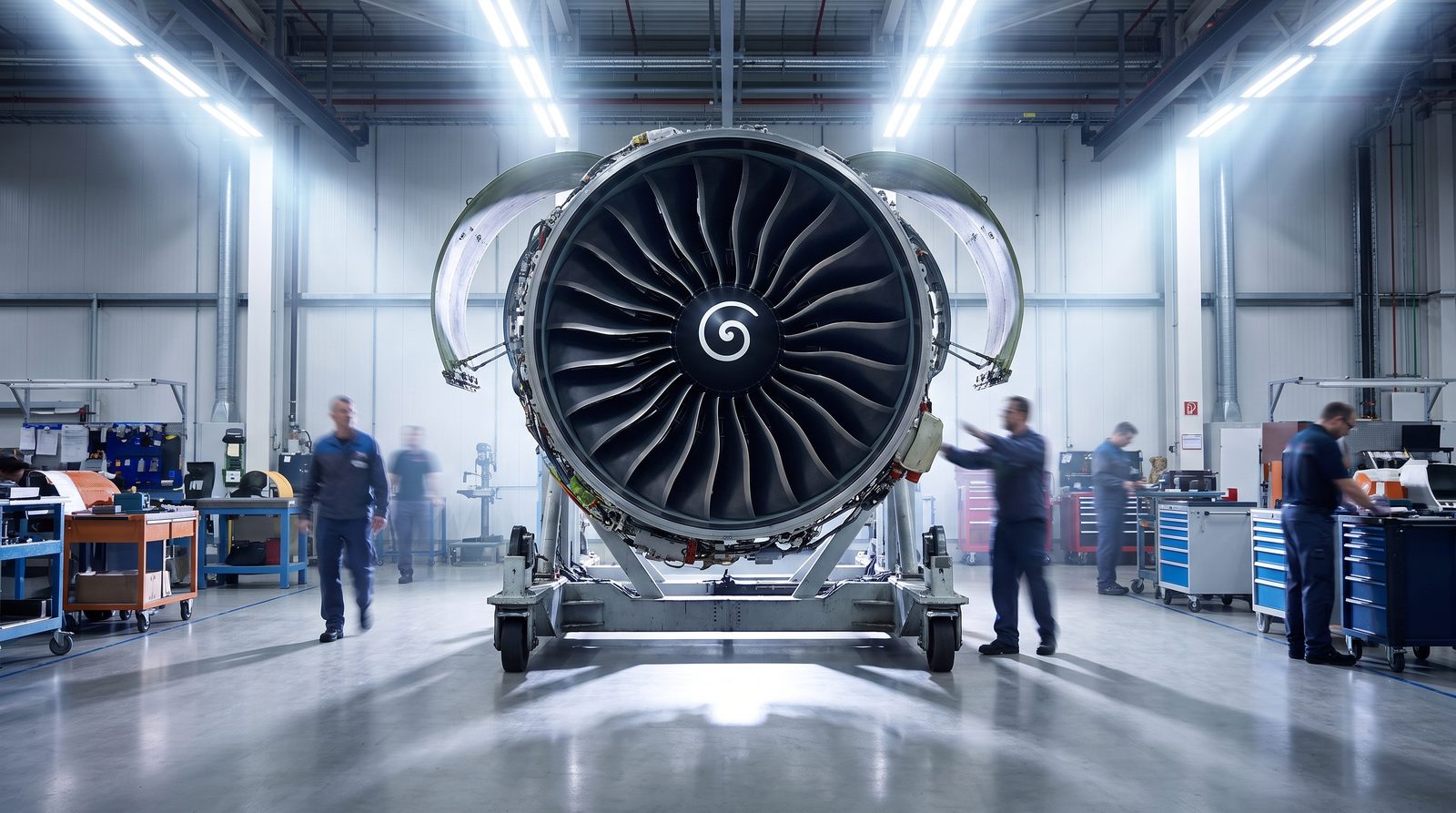
The first three projects feed into DEMETRA, which covers development of the flying testbed plus additional ground-test activities for certain systems and equipment. For the testbed itself, ATR will modify an ATR 72-600, replacing one of its standard PW127 engines with a hybridised model developed through PHARES and incorporating the high-voltage electrical distribution system coming out of OSYRYS.
Retaining one conventional powerplant on the opposite wing is the pragmatic choice for a demonstrator: it keeps the aircraft flyable and provides a direct, same-airframe comparison between the two propulsion systems on every sortie.
HERACLES, meanwhile, defines the overall concept for what Clean Aviation calls the ultra-efficient regional aircraft, incorporating a broad suite of technologies that could equip the Evo.
Synchronising the moving parts
Ferraro admits that the "alignment and synchronisation" of the four projects is "quite a job", particularly as DEMETRA depends so heavily on the others. Progress is still possible at this early stage, she says: "Because we started [all four projects] at the same time we have set some assumptions that will be refined along the way."
Although several Clean Aviation phase one projects were focused on regional aviation, a change in overall leadership for the pillar — from Leonardo to ATR — has meant a slower start to the latest effort. "We do not start from zero but a change of leadership still takes a little bit of adjustment," Ferraro says. Even so, she says the team is "on track" to have the first baseline for the demonstrator.
Why the turboprop is the right test bed
The regional turboprop segment is an unusually good fit for hybrid-electric propulsion. Sector lengths are short, cycles are frequent, and the ATR 72's existing fuel burn advantage over regional jets already rests on propulsive efficiency rather than raw thrust — so incremental gains from electrical assistance during high-power phases such as take-off and climb can translate into meaningful savings without demanding breakthrough battery energy density.
That said, the timeline is a reminder of how long propulsion change takes. A 2029 demonstrator flight supporting an Evo entry into service around 2035 means today's ATR 72-600 operators will be flying essentially the current aircraft for another decade.
Sources: FlightGlobal. Featured image: AI-generated by AviationShop. By Marco Bianchi.




Comments
Loading comments…