


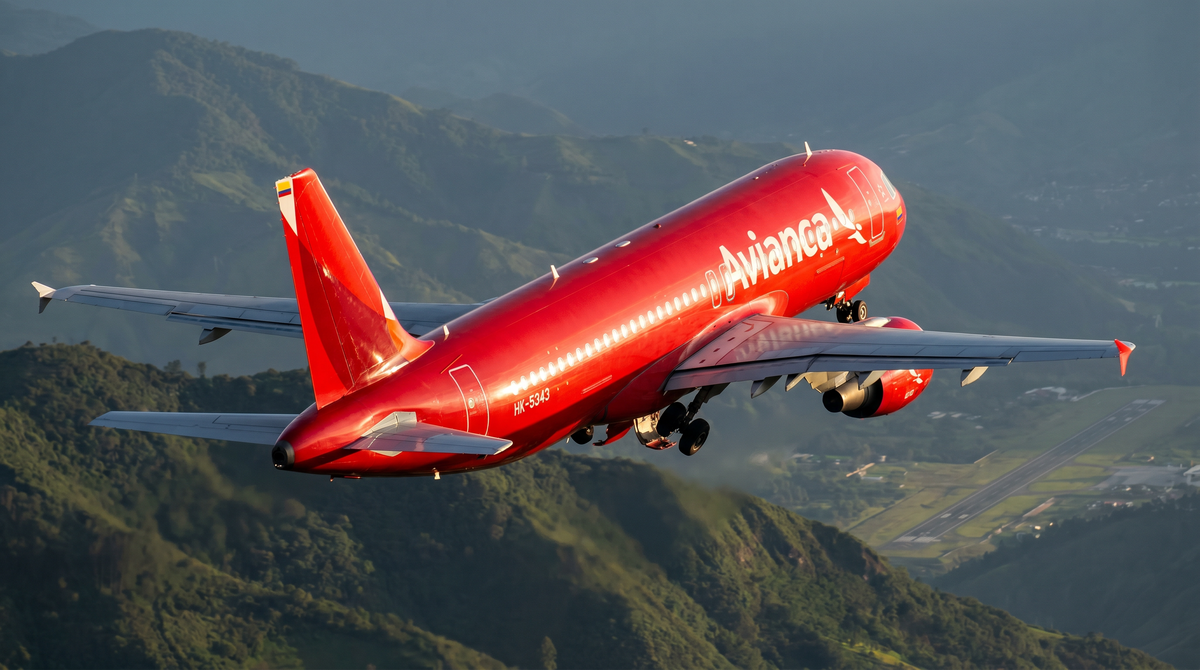
Avianca has launched a temporary flight service between Bogotá and Valencia, Venezuela, deploying Airbus A320 aircraft to provide critical air connectivity after a major earthquake damaged Caracas's main airport infrastructure. The Colombian carrier moved quickly to establish the emergency route as Venezuela's Simón Bolívar International Airport near Caracas sustained significant damage from the quake, disrupting normal operations at the country's busiest international gateway and leaving thousands of travelers stranded or without viable flight options into the country.
The new Bogotá–Valencia service positions Avianca as a key lifeline for passengers needing access to Venezuela while Caracas remains partially or fully inoperable. Valencia's Arturo Michelena International Airport, located in the central-northern state of Carabobo, serves one of Venezuela's largest cities and offers ground connections to Caracas roughly 150 kilometers to the east. By routing flights through Valencia, Avianca provides an alternative entry point that bypasses the earthquake-damaged capital airport entirely, giving both Venezuelan nationals abroad and international aid workers a viable path into the country during the crisis period.
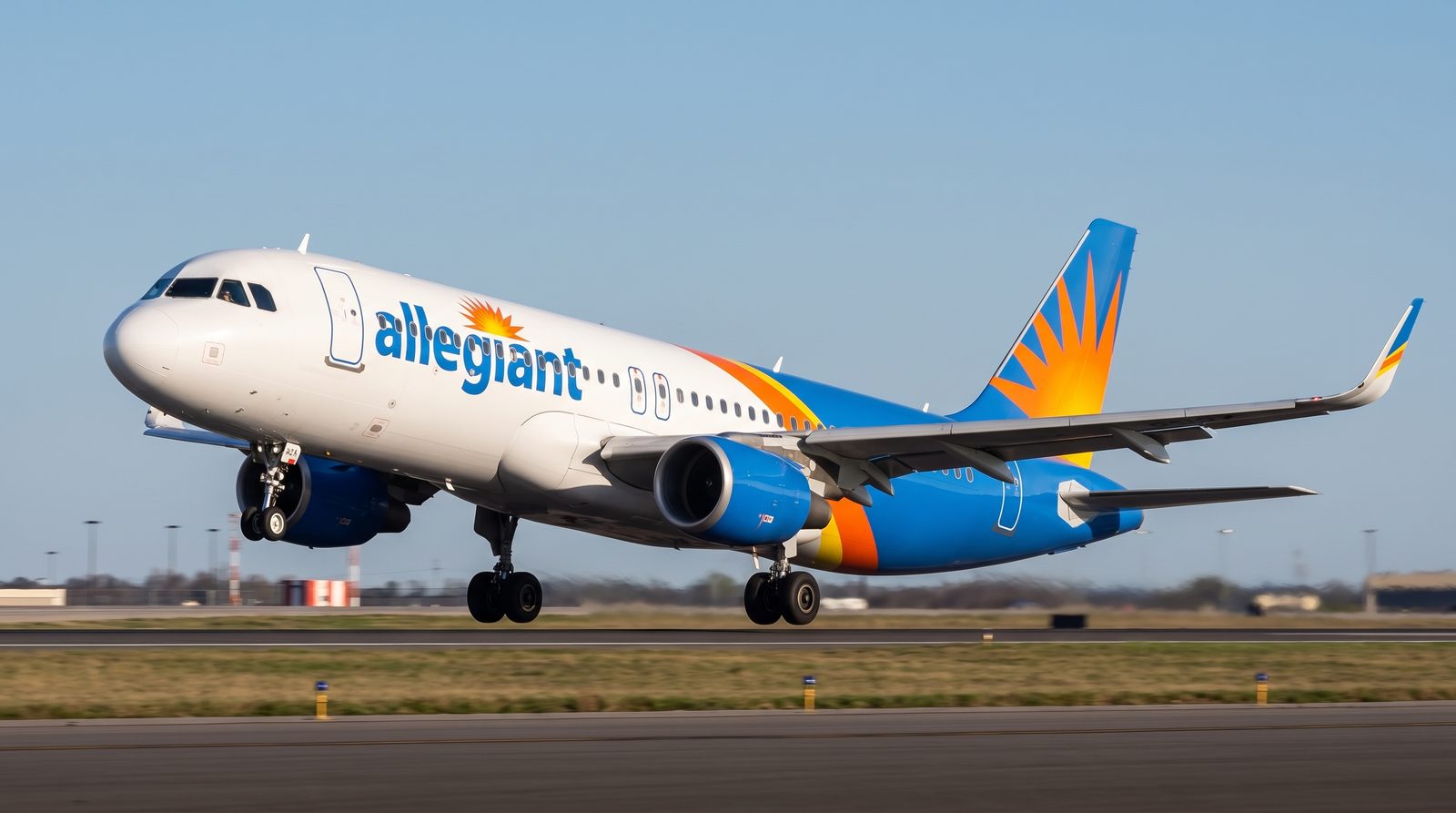
The choice of the Airbus A320 for this temporary route is operationally logical. The narrowbody type forms the backbone of Avianca's short- and medium-haul fleet, and the airline operates a substantial number of A320-family aircraft — including the A319, A320, and A321 — across its Latin American network. The A320's range of approximately 3,300 nautical miles comfortably covers the roughly 600-mile hop between Bogotá's El Dorado International Airport and Valencia, while its single-aisle configuration seating around 150 to 180 passengers in a typical two-class layout provides a practical capacity for a route where demand, though urgent, may fluctuate as the crisis evolves. The type's relatively modest ground infrastructure requirements also make it well-suited for airports that may be operating under constrained conditions.
Avianca's decision to open this route reflects a pattern seen across the airline industry when natural disasters disrupt major airports. Airlines with regional reach frequently pivot operations to secondary airports near affected areas, balancing humanitarian need with commercial viability. Bogotá and Caracas have historically been connected by direct flights, though political tensions between Colombia and Venezuela over the past decade led to periodic suspensions and resumptions of cross-border air service. The earthquake response route to Valencia marks a notable moment in that complex bilateral relationship, with aviation serving as a practical bridge during an emergency regardless of broader diplomatic dynamics.
The extent of the damage at Simón Bolívar International Airport has not been fully detailed in public reporting, but the facility's partial or complete closure was significant enough to prompt Avianca's rapid operational response. Earthquake damage to airports can range from cracked runways and taxiways to structural compromise of terminal buildings, control towers, and navigation equipment. Restoration timelines depend on the severity of the damage and the speed of engineering assessments, meaning Avianca's Valencia service could operate for weeks or potentially longer depending on how quickly Caracas returns to full capability.
For Avianca, the temporary route also carries strategic significance. The airline has been rebuilding and expanding aggressively since emerging from Chapter 11 bankruptcy proceedings in late 2021, growing its network across the Americas under the Avianca Group umbrella, which also includes LifeMiles and partnerships across the Star Alliance. Demonstrating the ability to rapidly deploy capacity in response to a humanitarian crisis reinforces the carrier's positioning as Latin America's leading connectivity provider — a role it has held in various forms since its founding in 1919, making it one of the world's oldest continuously operating airlines.
Passengers seeking to reach Venezuela during the disruption period are being directed to book through Avianca's standard channels, with the Valencia service expected to operate as long as the situation at Caracas warrants an alternative routing. The airline has not disclosed specific frequency or pricing details publicly, though demand is expected to be strong given the limited options currently available for reaching Venezuela by air. Travelers are advised to monitor both Avianca's updates and Venezuelan aviation authority announcements for the latest information on airport status and flight availability.
Sources: AeroTime, Airways. Featured image: AI-generated by AviationShop. By Marco Bianchi.






Comments
Loading comments…