


The British pilots' union BALPA, which represents flight crew at carriers including British Airways, Virgin Atlantic and easyJet, has issued a warning over what it calls a serious and "potentially catastrophic" fault affecting some of the world's most widely flown Airbus aircraft.
The concern centres on the engine fire shutoff buttons fitted in the Airbus cockpit. The warning traces back to an incident in December 2024, when the right-hand engine of an Air New Zealand Airbus A320neo — carrying 142 passengers and six crew — shut down just 15 minutes after takeoff. After declaring a Mayday, the pilots found that one of the engine fire buttons, which isolates power to the engine, had activated on its own. Neither pilot had touched it, and the buttons are not designed to activate automatically.
Investigators later determined that a retaining pin inside the push-button mechanism had been bent through mishandling when it was fitted in the cockpit. Normal in-flight vibration then caused the bent pin to work loose, allowing the button to trigger without being pressed.
In response, the European Union Aviation Safety Agency (EASA) issued an airworthiness directive requiring airlines to inspect the engine fire shutoff buttons on affected aircraft and replace the module wherever a bent pin was found. According to BALPA, however, the original directive covers only certain narrowbody types such as the Airbus A319 and A320 family, and does not extend to the widebody A350.
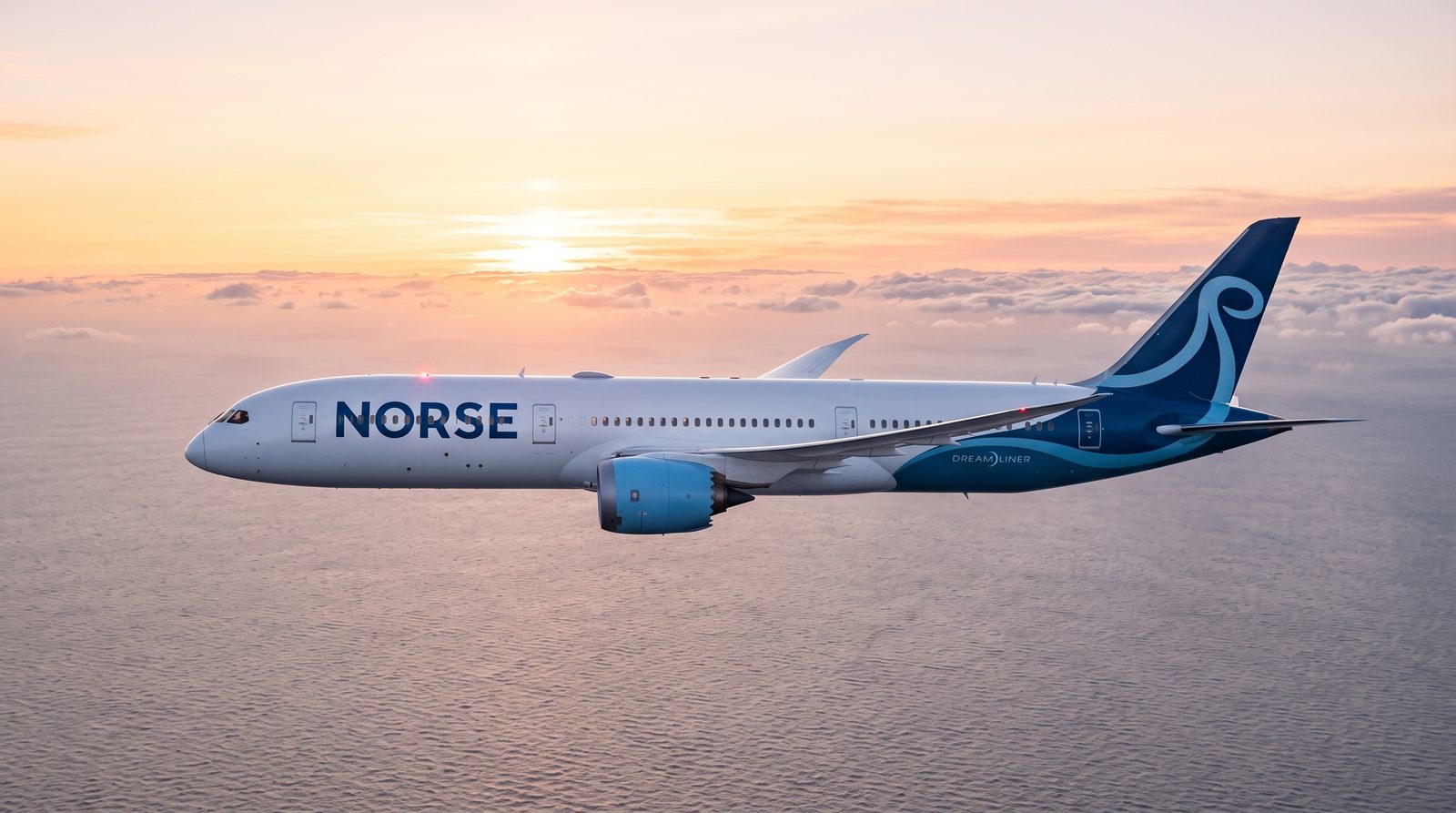
That distinction matters because, the union says, a similar event later occurred on a British Airways Airbus A350-1000. Flying from Las Vegas to London Heathrow in February, the aircraft was cruising over Halifax, Canada, with the captain resting in the crew bunk when the two operating pilots suddenly lost power on the right-hand engine. Messages appearing on the Electronic Centralised Aircraft Monitor (ECAM) were, in BALPA's words, "brief and did not initially indicate an engine failure."
"After the captain returned, the crew attempted an in-flight relight, which was not possible until the fire switch was pushed back in, following advice from Maintrol," the BALPA warning explains. "The relight succeeded, systems stabilised, and the crew elected to continue to Heathrow." BALPA notes that similar engine fire panels appear on the A350 as those installed on the narrowbody fleet.
What worries the union most is that the defect gives no advance warning. "This is a serious mechanical defect, and it's completely latent — no ECAM cue until the moment it happens. So far, outcomes have relied on solid crew handling," the warning states. Airlines have until November 2027 to inspect the buttons on affected aircraft, a timeframe BALPA says "understandably feels uncomfortable."
The engine fire button itself is designed to be pressed only when the ECAM system detects a fire. Pushing it stops the fuel supply to the engine, isolates the electrics and closes the engine bleed air valve; it does not, on its own, discharge fire retardant. If the ECAM continues to indicate a fire after the button is pressed, it prompts the crew to press a separate button to deploy the engine fire extinguisher.
Source: Paddle Your Own Kanoo. Featured image: AI-generated by AviationShop. By Marco Bianchi.









Comments
Loading comments…