


The Qantas Group and Japan Airlines (JAL) have signed a binding agreement to reshape the ownership of low-cost carrier Jetstar Japan, moving ahead with a plan first floated in February 2026. The deal, announced on August 4, 2026, is built around a share buyback and still requires regulatory approval before it can be completed.
Under the new structure, the Development Bank of Japan will join as a new shareholder in Jetstar Japan, while Tokyo Century Corporation and JAL retain their existing stakes. The Qantas Group, meanwhile, will exit the airline entirely, selling its 33.32% minority holding through a buyback carried out by Jetstar Japan itself. The transition is expected to be complete by June 2027.
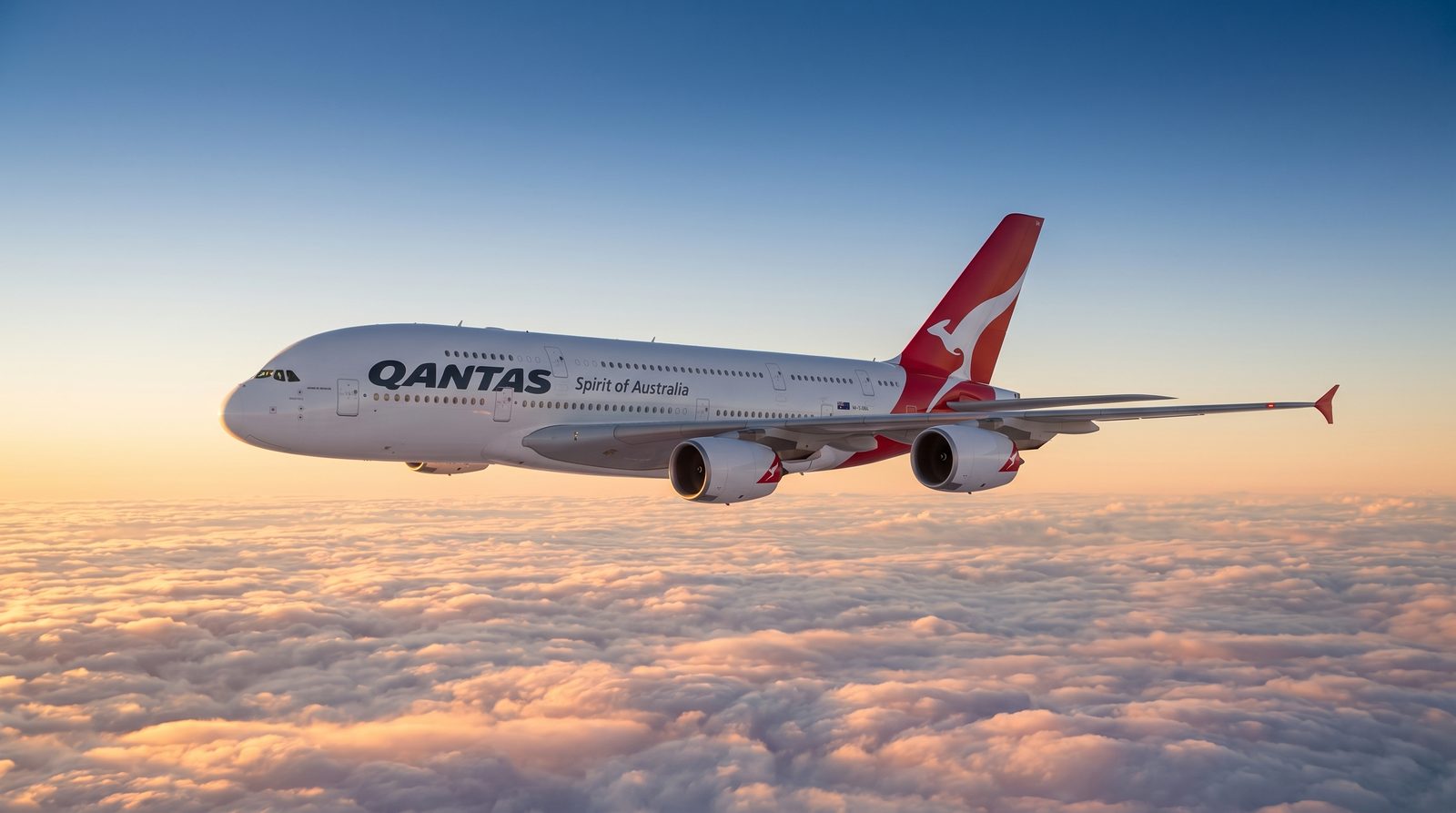
For Qantas, the move is about redirecting capital. Rather than continuing to hold a minority position in a Japanese carrier, the group plans to channel the freed-up funds into its own domestic and international operations in Australia. The deal also shifts Jetstar Japan toward a more Japan-based ownership structure, with Japanese companies now holding the airline's shares.
The transaction carries a value of JPY 8.2 billion (about US$55 million). For the Qantas Group, it is expected to deliver a gain of roughly AU$115 million (US$75 million) in items sitting outside its underlying financial results, with most of that impact landing in its FY27 accounts. That figure includes one-off, non-cash benefits tied to historical foreign-currency translation gains held in Qantas's equity reserves, as well as the proceeds from the sale once it closes.
Once Qantas steps away, Jetstar Japan plans to drop the "Jetstar" name altogether, rebranding under a new identity while continuing to operate as a low-cost carrier in Japan. Until the deal is finalised, Qantas will keep including its share of Jetstar Japan's profits or losses in its underlying pre-tax earnings.
Importantly, the airlines say travelers will see no change to existing operations. Qantas and Jetstar international flights between Australia and Japan will continue as normal, and codeshare arrangements with JAL remain unchanged. The restructuring is a shift in who owns the carrier rather than how it flies, closing out a chapter of Qantas's involvement in the Japanese domestic market that began more than a decade ago.
The restructuring also resolves the question of who controls Jetstar Japan going forward. With the Development Bank of Japan stepping in and Tokyo Century Corporation and JAL holding onto their stakes, the carrier moves firmly into Japanese-led ownership just as it prepares to shed the Jetstar brand. For Qantas, exiting a 33.32% minority position it can no longer influence day-to-day frees the group to concentrate its capital where it has full control — its Australian domestic network and its long-haul international expansion — while still preserving the commercial ties, including codeshares with JAL, that connect the two markets.
Source: AeroTime. Featured image: AI-generated by AviationShop. By Daniel Okafor.








Comments
Loading comments…