


A British Airways Boeing 787-9 Dreamliner operating a London Heathrow to Las Vegas service experienced a cabin fire after a passenger's mobile phone caught fire during flight, according to reports from Simple Flying and CBS News. The incident underscores the ongoing aviation safety challenge posed by lithium-ion batteries, which power virtually all modern consumer electronics and remain a significant concern for the International Air Transport Association and regulatory bodies worldwide.
The 787-9 is one of Boeing's most modern wide-body aircraft, featuring advanced cabin pressurization, fire detection, and suppression systems designed to handle precisely these kinds of emergencies. The aircraft, which typically carries between 242 and 330 passengers depending on configuration, has been in service since 2014 and represents a significant portion of British Airways' long-haul fleet. The Dreamliner's cabin is pressurized at a lower differential than older aircraft types, reducing stress on the fuselage, and its composite materials are inherently fire-resistant compared to aluminum airframes—yet the fire still managed to scorch the cabin, indicating the intensity of the lithium battery reaction.
Lithium-ion battery fires are particularly hazardous in flight because they generate extreme heat and are difficult to extinguish with standard water-based suppression systems. Once ignited, these batteries undergo thermal runaway, a chain reaction where internal temperature and pressure increase rapidly, potentially igniting the electrolyte and other combustible materials. The Federal Aviation Administration and the European Union Aviation Safety Agency have conducted extensive research on this threat, which extends beyond phones to laptops, tablets, power banks, and vaping devices. Airlines have progressively tightened restrictions on lithium batteries in checked and carry-on baggage, though enforcement remains inconsistent across global carriers.
The London Heathrow to Las Vegas route is among British Airways' key transatlantic services, spanning approximately 4,700 nautical miles and requiring a flight time of around 11 hours. This route places the aircraft well beyond diversion airfields for extended periods, making in-flight emergencies more complex to manage. The fact that the crew detected and contained this fire without reported serious injury to passengers or crew reflects both the aircraft's safety systems and crew training protocols—a positive outcome that nonetheless illustrates the vulnerability of modern cabins to battery-related incidents.
The incident comes amid growing concern within the aviation industry about the proliferation of lithium-ion batteries in passenger luggage and personal electronic devices. The International Air Transport Association has estimated that undetected or undeclared lithium battery fires pose a material risk to aviation safety, particularly on long-haul flights where emergency landing options are limited. Several research studies have demonstrated that a single lithium-ion battery fire in an aircraft cabin, left uncontained, could potentially compromise aircraft integrity or overwhelm crew response capabilities.
British Airways has not yet released a detailed statement regarding the incident or any damage assessment. The airline operates one of Europe's largest 787 fleets, with the aircraft forming a cornerstone of its modern long-haul operation. This event will likely prompt further review of cabin safety protocols, passenger communication regarding electronic devices, and coordination with aircraft manufacturers and regulators on detection and suppression technology improvements.
The incident reinforces industry-wide recognition that lithium battery risks remain an unresolved challenge requiring continued innovation in detection systems, suppression technology, and passenger awareness campaigns. Regulatory bodies are expected to evaluate whether existing restrictions and labeling requirements are adequate, particularly as battery density and energy content continue to increase in consumer devices.
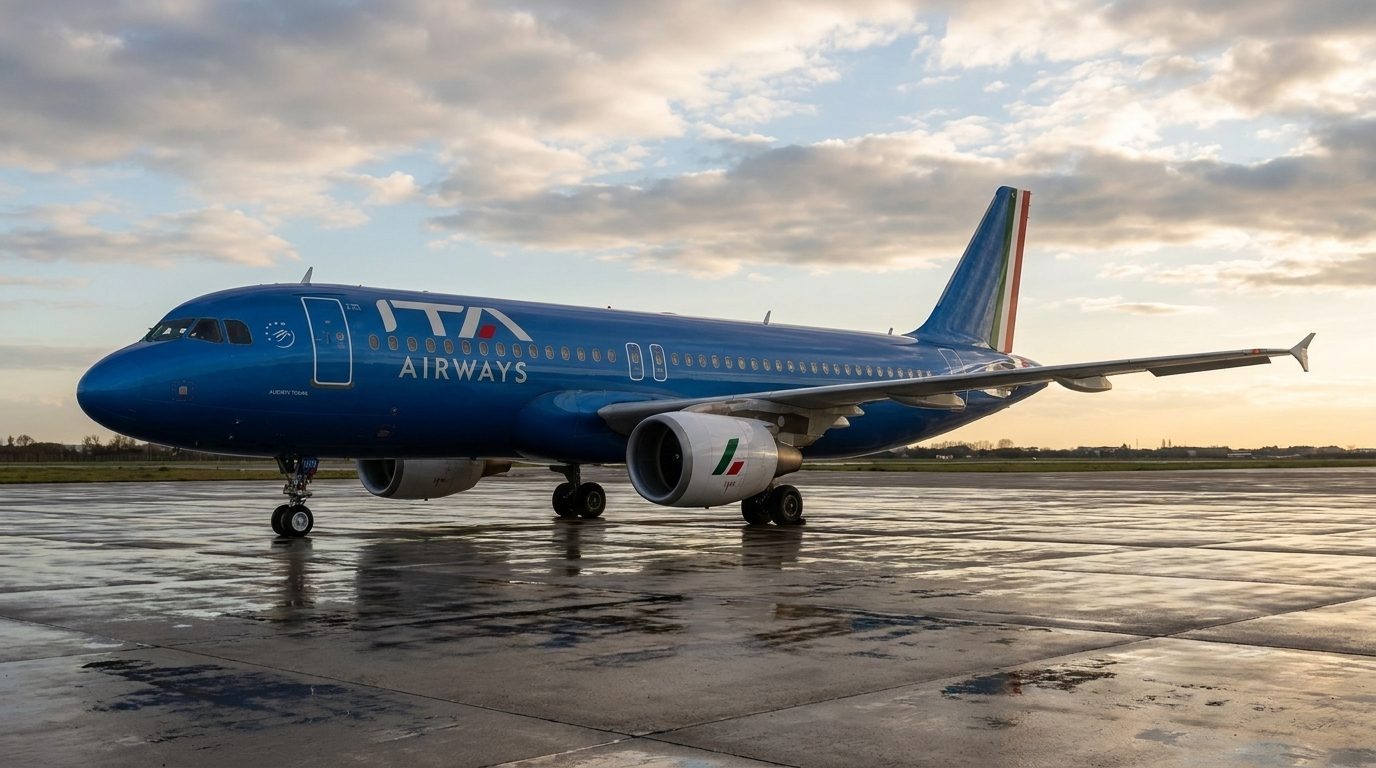
Sources: Simple Flying, CBS News. Featured image: AI-generated by AviationShop. By James Holloway.


Comments
Loading comments…