


China Eastern is more than doubling its transpacific service between Shanghai and Vancouver, lifting the route from two weekly flights to five weekly from 2 January 2027. The increase was published in schedule filings on 24 August 2026 and applies to the airline's Shanghai Pudong to Vancouver operation, which is flown with Airbus A350-900 equipment.
Under the filed timetable, MU581 departs Pudong at 13:10 and arrives in Vancouver at 08:10 on selected days, with a second listed departure at 13:40 arriving at the same 08:10 slot on other days of the week. The return, MU582, leaves Vancouver at 11:50 and arrives back in Shanghai the following day at 16:40, operating on all days except two.
From a thin schedule to a near-daily one
The jump from two to five weekly is the kind of step change that fundamentally alters how a long-haul route behaves. At two flights a week, a route serves leisure traffic and visiting-friends-and-relatives demand, but it is difficult to sell to business travellers or to use effectively as a connecting bridge, because a missed flight can mean a wait of several days. At five weekly, the route starts to function as a genuine network link, with departures on most days and far more forgiving connections at both ends.
Vancouver has long been one of the strongest gateways between mainland China and North America, thanks to a large Chinese-Canadian community, established tourism flows and geography that puts it on one of the shorter great-circle tracks across the Pacific. Extra capacity there is also useful for cargo, since long-haul widebodies carry meaningful belly freight on routes linking Chinese manufacturing hubs with the West Coast.
Why the A350-900 fits the mission
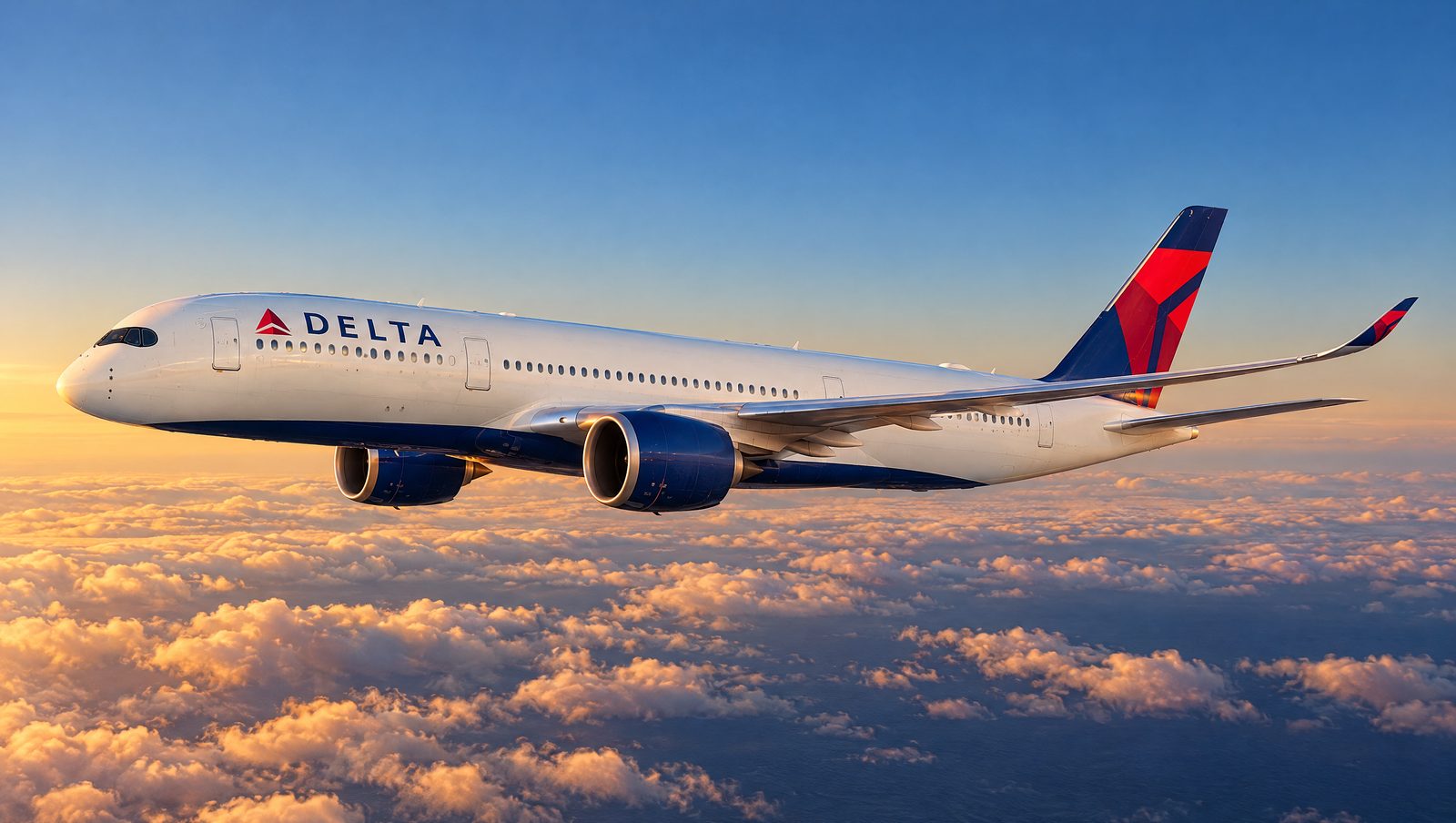
The A350-900 is well matched to a route of this length. It is a twin-engine widebody with Rolls-Royce Trent XWB engines, a twin-aisle cabin and a composite-heavy structure that gives it markedly lower fuel burn than the four-engine and older twin-aisle aircraft that once dominated transpacific flying. Its distinctive black cockpit-window surround and curved blended wingtips make it one of the easier modern widebodies to identify from the ground.
For an airline scaling a route up rather than launching one from scratch, the aircraft choice matters less than the frequency: the fleet is already committed to the market, and the decision is about how hard to work it. Moving to five weekly implies China Eastern is seeing enough demand, both passenger and cargo, to justify putting a valuable widebody on the same rotation more often.
A January start with room to grow
The 2 January 2027 effective date puts the increase just after the year-end holiday peak and ahead of Lunar New Year travel, a period that typically produces very strong demand on China-North America routes. Airlines frequently use that window to test whether higher frequencies can be sustained once the seasonal spike passes.
As with all filed schedules, the timetable can still change before it takes effect. Frequencies on transpacific routes are regularly adjusted in response to demand, aircraft availability and regulatory approvals, and the published pattern should be read as an intention rather than a guarantee.
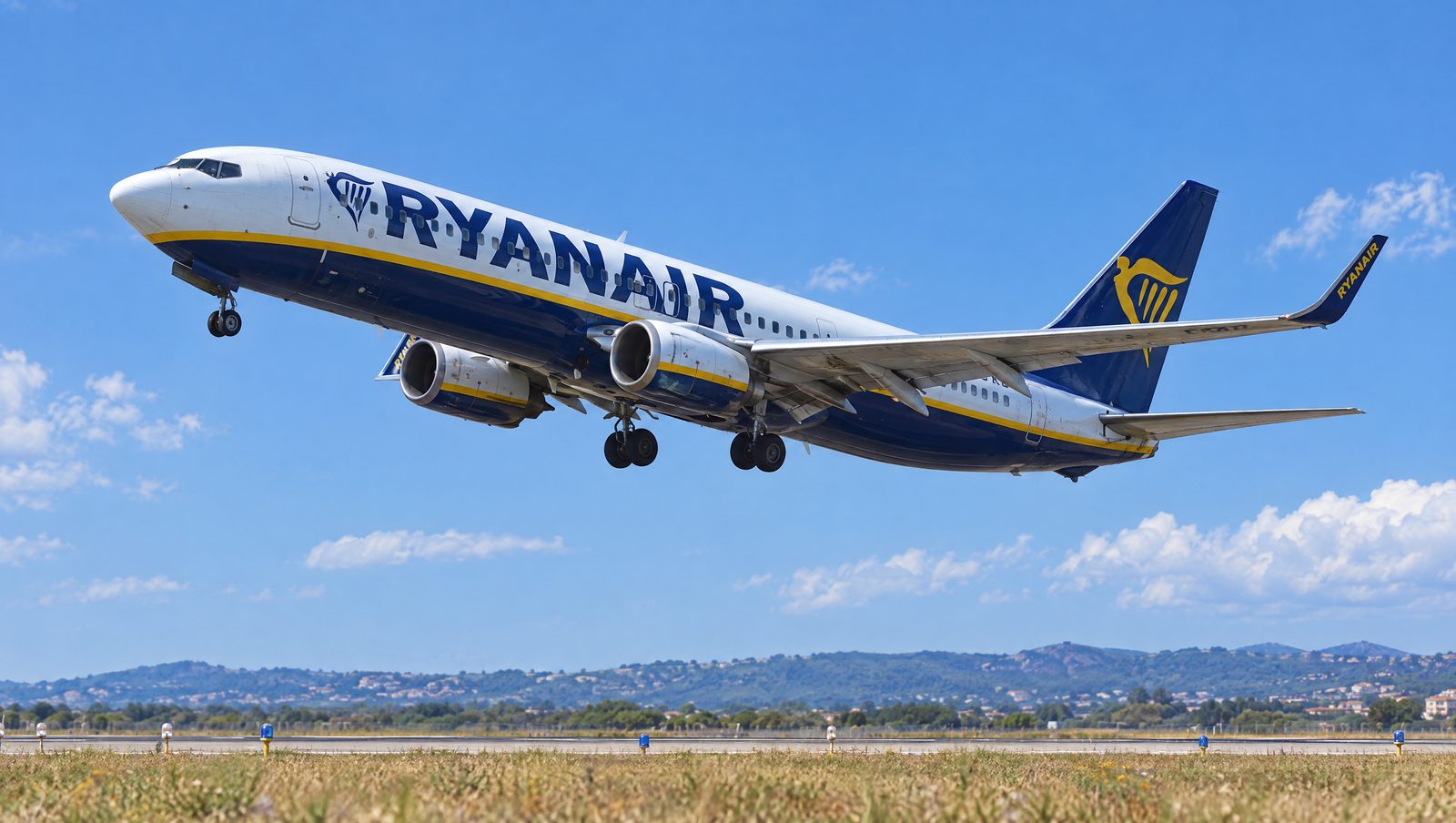
Sources: AeroRoutes. Featured image: AI-generated by AviationShop. By Marco Bianchi.


Comments
Loading comments…