


Korean Air has opened reservations for a new route to Japan, scheduling one daily flight between Seoul Incheon and Hiroshima from 23 December 2026. The service will be operated with Airbus A321neo aircraft, according to schedule filings published on 24 August 2026.
The timetable places KE2183 out of Incheon at 10:35, arriving in Hiroshima at 12:15. The return, KE2184, departs Hiroshima at 13:25 and lands back at Incheon at 15:25. Both legs are listed as daily operations, giving the route a single-aircraft rotation that keeps the jet productive on the same day rather than requiring an overnight stay in Japan.
A narrowbody route built around a same-day turn
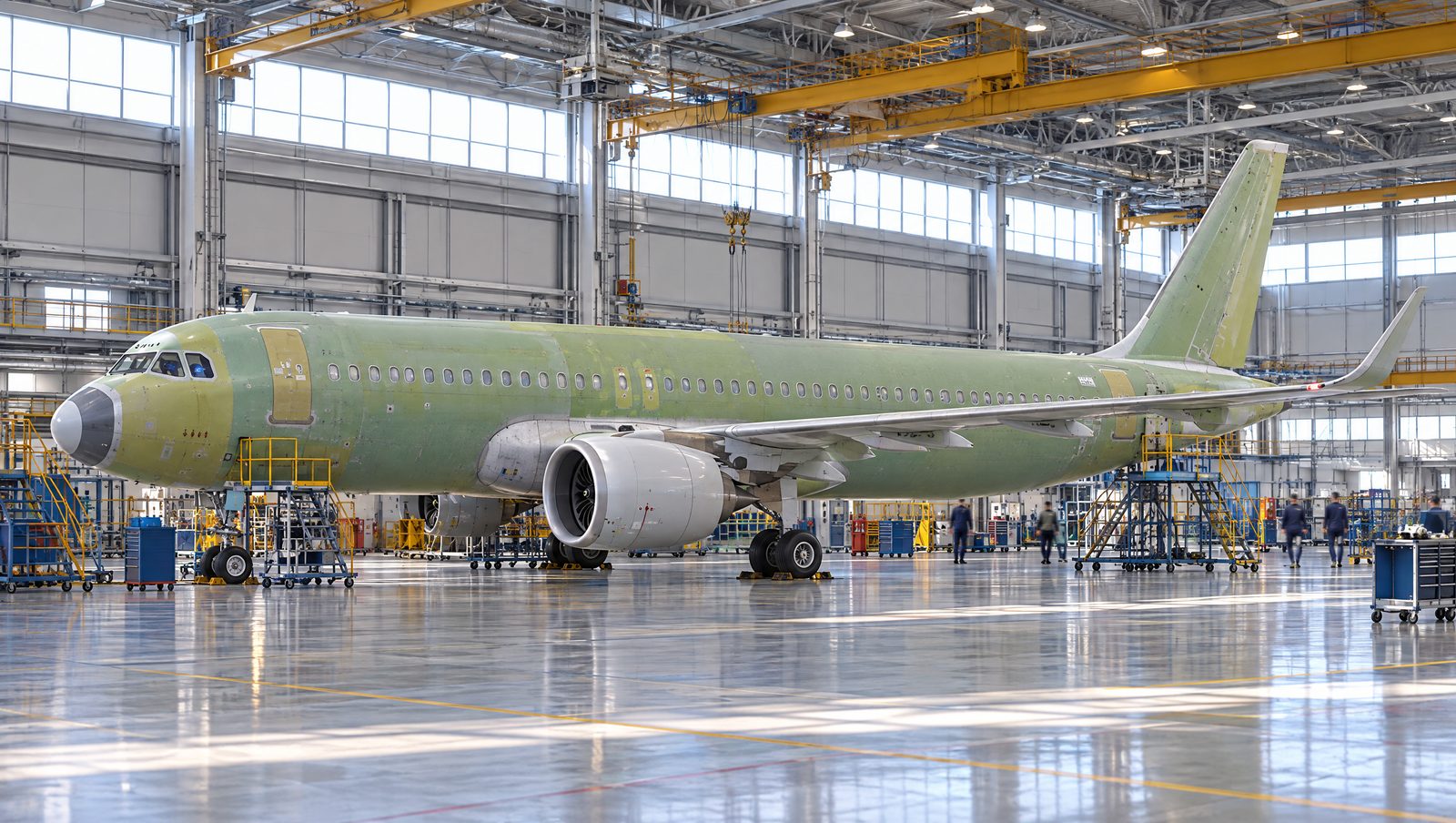
The block times, at roughly one hour forty minutes outbound and two hours inbound, sit comfortably within A321neo territory. The type has become Korean Air's workhorse for short and medium-haul flying in the region, replacing older narrowbodies with a quieter, more fuel-efficient airframe. With a single-aisle cabin, two underwing engines and large upswept sharklets, the A321neo offers substantially better fuel burn per seat than the previous generation, which matters on regional sectors flown several times a week where fuel and airport costs dominate the economics.
Choosing a daily frequency rather than three or four weekly is a signal in itself. A daily timetable is what business travellers and connecting passengers need; it allows a passenger to travel out and back within the same working week without long layovers, and it makes the route far easier to sell through corporate channels and travel agencies. It also makes the flight much more useful as a feeder into Korean Air's wider Incheon network, where mid-morning arrivals from Japan traditionally connect onto long-haul departures.
Hiroshima joins the Japanese map
Japan remains one of the busiest and most competitive international markets for Korean carriers, with dense demand spread across leisure travel, family visits and business links between the two countries. Hiroshima, on the western end of Honshu, is a considerably smaller catchment than Tokyo or Osaka, but it is exactly the kind of secondary Japanese city that narrowbody equipment is designed to open: too thin for a widebody, comfortably viable for a 180-to-200-seat jet flown once a day.
The launch date of 23 December also lines up with the year-end holiday peak, when traffic between Korea and Japan typically surges. Starting a route immediately before a high season gives an airline a strong first few weeks of loads and a clearer read on how the market performs once demand normalises in January and February.
Part of a broader network reshuffle
The addition comes as Korean Air continues to reshape its network around the absorption of Asiana Airlines, a process that has already produced schedule adjustments across the group's Asian and long-haul flying. New regional additions like Hiroshima allow the combined carrier to spread its narrowbody fleet across more destinations rather than stacking frequencies on the same handful of trunk routes.
Reservations for the route are already open, which means seats can be booked well ahead of the December start. As with any newly filed schedule, times and equipment can still be adjusted before launch, and airlines routinely fine-tune frequencies once early booking patterns come in.
Sources: AeroRoutes. Featured image: AI-generated by AviationShop. By Elena Vargas.


Comments
Loading comments…