


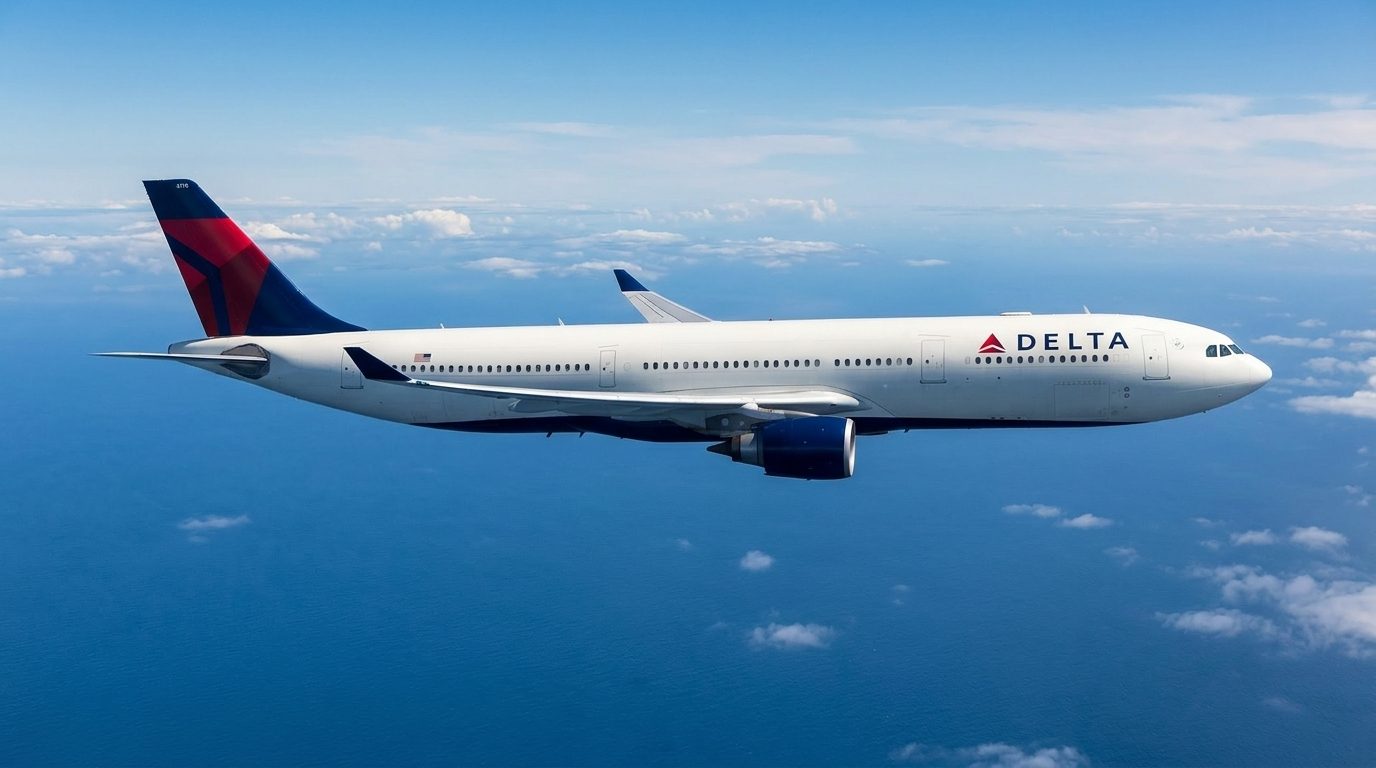
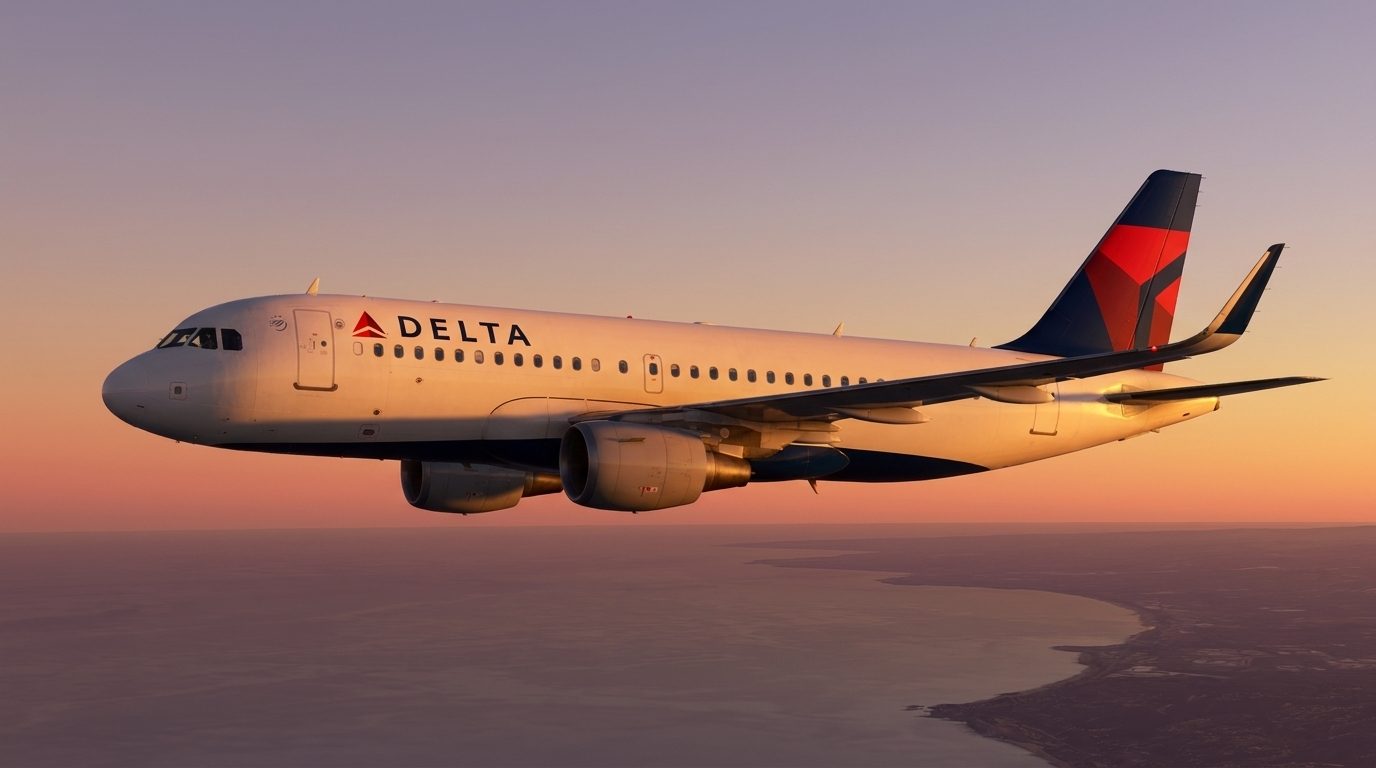
A Delta Air Lines Airbus A330-300 returned to Boston Logan International Airport on an unscheduled basis after the flight crew reported cabin smoke during flight. The incident, which occurred without reported injuries to passengers or crew, prompted an immediate diversion and emergency response procedures at the airport. The aircraft landed safely, and all occupants disembarked without incident, though the specific flight number and exact timeline were not immediately disclosed in initial reports.
The Airbus A330-300 is a wide-body twin-engine jet widely operated by Delta Air Lines across its international and long-haul domestic network. The aircraft typically carries between 250 and 350 passengers depending on cabin configuration, and is a workhorse for the carrier's transatlantic and transpacific services. The A330 platform has been in commercial service since the early 1990s and maintains an excellent safety record, with thousands of aircraft operating globally. Cabin smoke detection and response procedures are among the most thoroughly tested and regulated safety systems in modern aviation, designed to alert crews immediately to potential hazards and enable rapid decision-making.
The detection of smoke in a pressurized cabin environment is taken with the highest level of seriousness by flight crews and aviation authorities. Modern aircraft are equipped with multiple redundant smoke detection systems located throughout the cabin, cargo holds, and engine compartments. When smoke is detected, crews are trained to follow standardized checklists that include identifying the source, assessing the threat level, and determining whether an immediate landing is necessary. In this case, the flight crew made the conservative decision to return to the nearest suitable airport rather than continue to the intended destination, which reflects industry best practices for passenger and crew safety.
Delta Air Lines operates one of the largest and most modern fleets in the global aviation industry, with the A330-300 representing a significant portion of its wide-body capacity. The airline maintains rigorous maintenance and safety protocols across all aircraft types, with regular inspections and compliance audits conducted in accordance with Federal Aviation Administration regulations and manufacturer specifications. Incidents of this nature, while requiring investigation, are part of the normal safety oversight system that has made commercial aviation among the safest forms of transportation.
The National Transportation Safety Board and the Federal Aviation Administration will likely conduct an investigation into the incident to determine the source of the cabin smoke and whether any maintenance, operational, or design factors contributed to the event. Such investigations are routine for unusual occurrences during flight and serve to identify any systemic issues or areas for improvement across the industry. Preliminary findings typically take weeks to months, with a final report issued only after a thorough examination of maintenance records, crew communications, and physical inspection of the aircraft systems.
For passengers and crew aboard the flight, the incident underscores the effectiveness of modern aviation safety systems and the training that enables flight crews to respond appropriately to unexpected situations. The quick detection of smoke, the crew's decisive action, and the safe return to Boston demonstrate the multiple layers of safety built into contemporary commercial aviation operations. Cabin crew members are extensively trained in emergency procedures and are positioned throughout the aircraft to respond to any situation requiring immediate attention.
Delta has not yet released a formal statement regarding the cause of the cabin smoke or the expected timeline for returning the aircraft to service. Once the investigation is complete and any necessary repairs or inspections are performed, the aircraft will return to active service. This incident serves as a reminder of the importance of rigorous safety standards, crew training, and maintenance protocols that form the foundation of modern aviation's exceptional safety record.
Sources: Simple Flying, NBC Boston. Featured image: AI-generated by AviationShop. By Elena Vargas.




Comments
Loading comments…