


Honeywell Aerospace is now flying solo. The company completed its spin-off from parent Honeywell on June 29, 2026, distributing all outstanding shares to Honeywell shareholders and launching the aerospace supplier as an independent, publicly traded business. Honeywell Aerospace began trading on the Nasdaq the same day under the ticker symbol “HONA.”
The separation is the final step in Honeywell's broader breakup into three standalone companies. Alongside the streamlined Honeywell and the newly independent Honeywell Aerospace, the transformation also produced Solstice Advanced Materials, which was carved out earlier in the process. The result is three focused, publicly traded industry players where a single sprawling conglomerate once stood.
Honeywell Aerospace enters the public markets as a heavyweight. The business launched with more than $17 billion in annual revenue for 2025, placing it among the largest aerospace and defense suppliers in the world. That scale gives the new company significant standing across both commercial and military aviation supply chains.
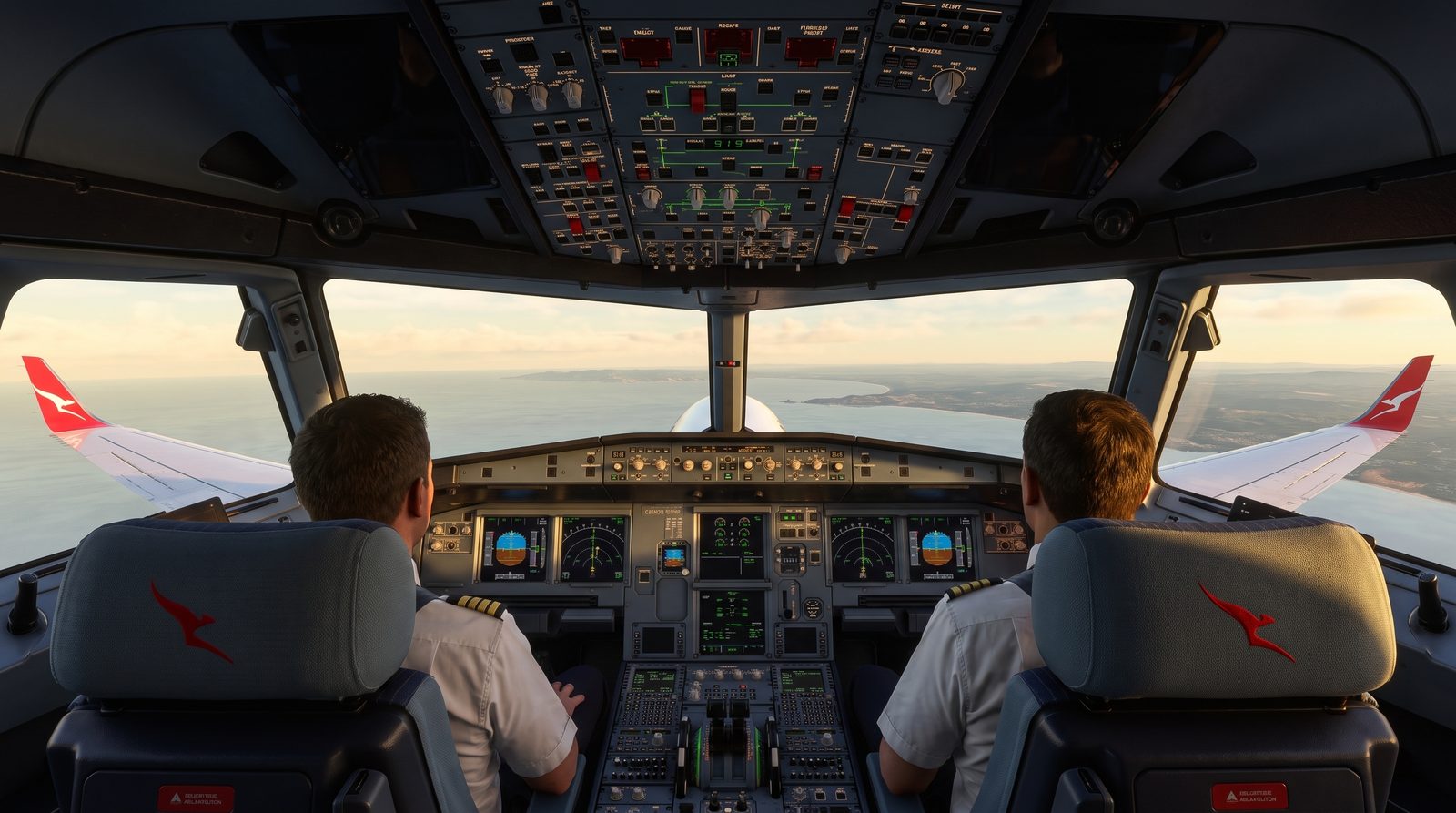
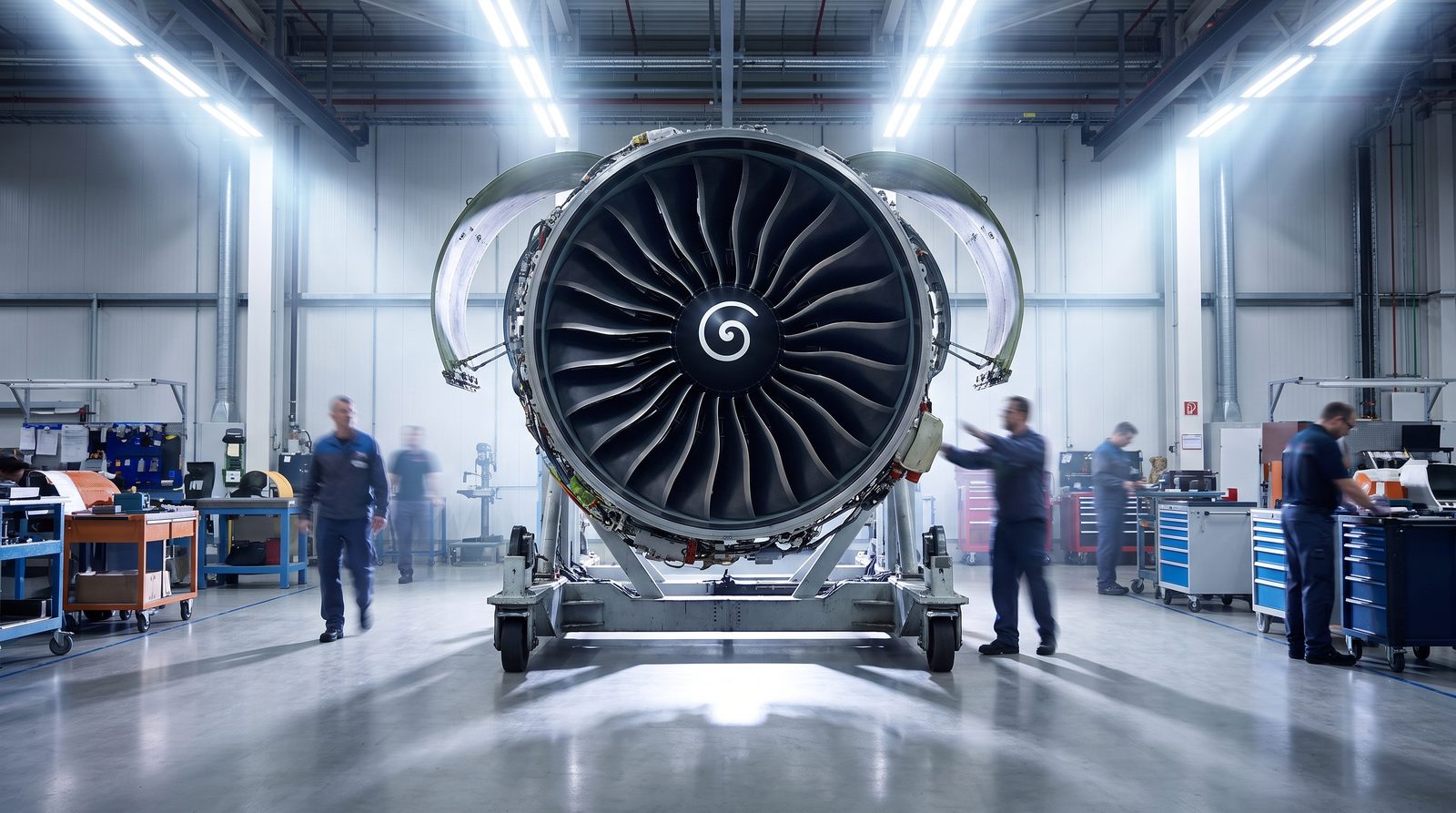
Although it is not an airline, Honeywell Aerospace is woven deeply into the aircraft passengers fly every day. Its product portfolio spans cockpit avionics and flight-management systems, auxiliary power units, propulsion and mechanical systems, and in-flight connectivity. Its equipment is found aboard airliners from Boeing and Airbus, a broad range of business jets, and numerous military platforms.
One of the company's most recognizable assets is its Boeing 757 flying testbed, a specially modified widebody used to develop and validate new engines and aerospace systems in real flight conditions. The aircraft has long served as a visible symbol of Honeywell's engineering work above the clouds.
For investors, the appeal of the spin-off is a cleaner, more focused story. As a dedicated aerospace pure-play, Honeywell Aerospace can direct capital and attention toward engine programs, avionics, sustainability initiatives, and connectivity without competing for resources inside a diversified industrial parent. Management has framed the split as a way to unlock value across all three resulting companies.
The debut also lands at a busy moment for the aerospace sector, with strong demand for new aircraft, sustained pressure on supply chains, and rising interest in more efficient propulsion and advanced cabin technology. As a standalone supplier, Honeywell Aerospace will now answer directly to its own shareholders as it navigates that landscape.
With shares changing hands under “HONA,” one of aviation's most established names has begun a new chapter as an independent company, betting that focus and scale together will keep it at the center of how modern aircraft are built and flown.
Sources: AeroTime, Honeywell. Featured image: AI-generated by AviationShop. By Marco Bianchi.





Comments
Loading comments…