


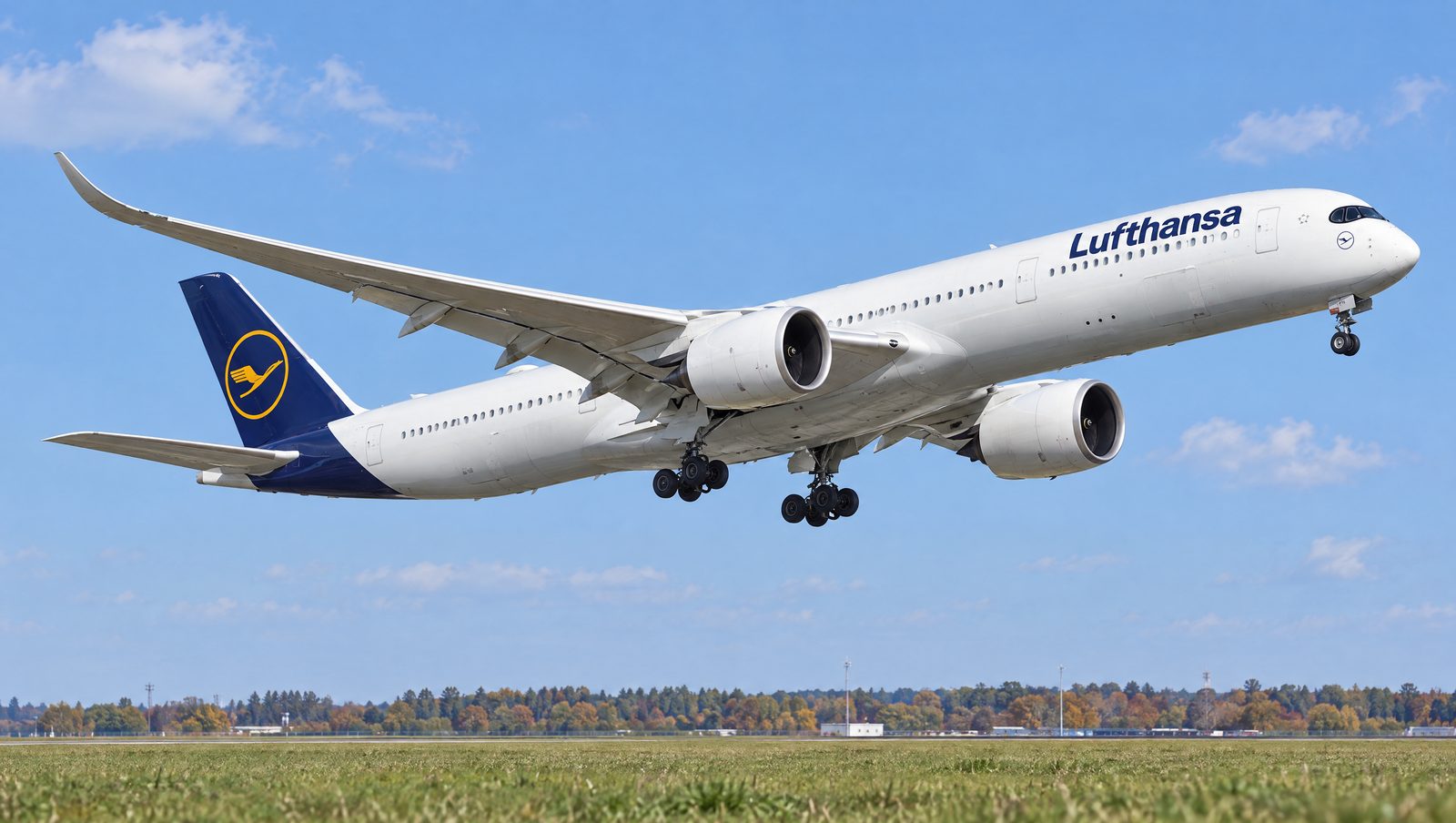
Lufthansa Group has formally approved one of the largest widebody fleet investments in its history, signing off on a USD 7.7 billion order for twenty additional long-haul aircraft. The Deutsche Lufthansa AG Supervisory Board confirmed the purchase of ten Airbus A350-900s and ten Boeing 787-9 Dreamliners, with deliveries scheduled between 2032 and 2034 to replace older, less efficient quads and twins across the group's fleet.
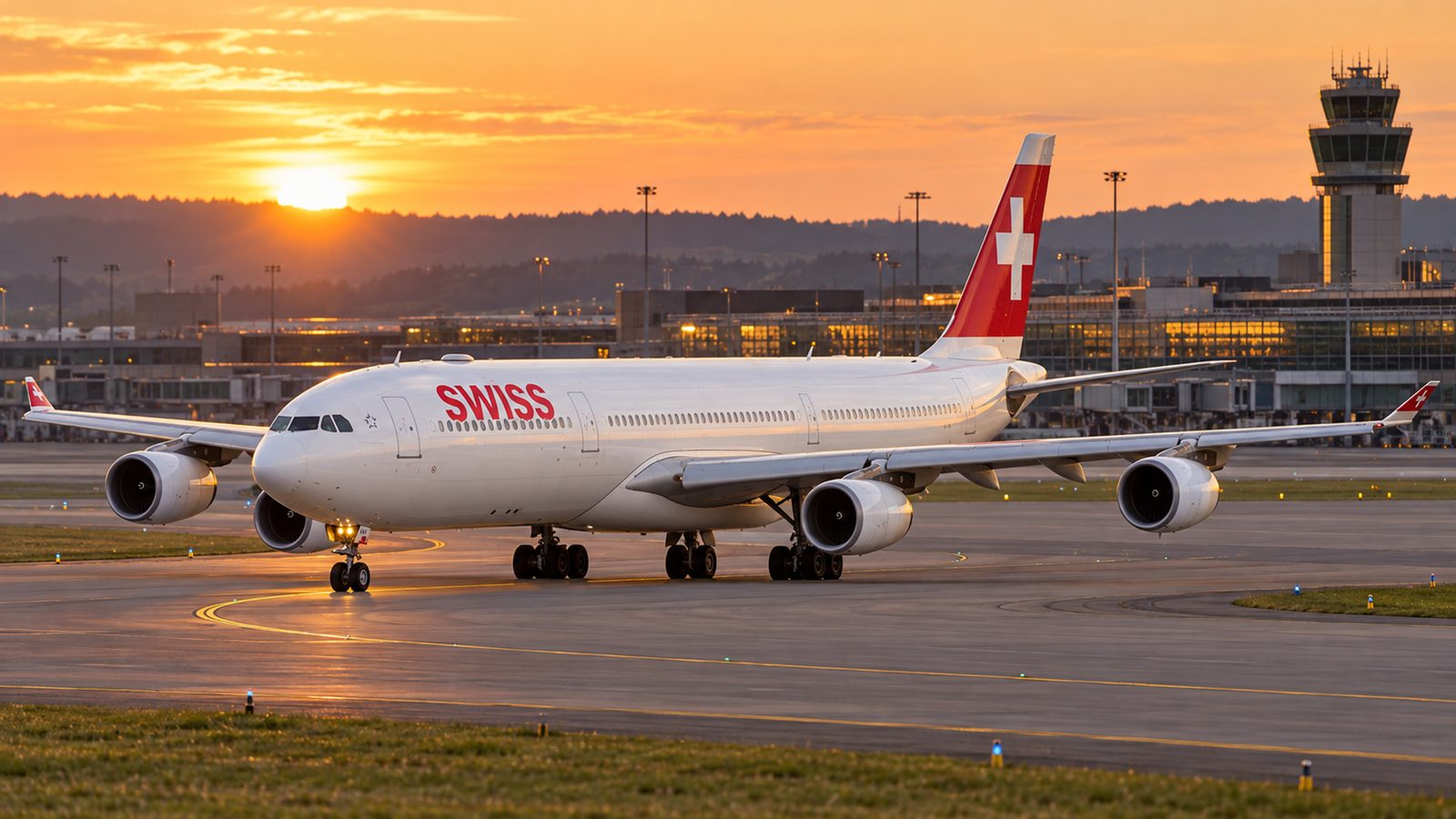
The split order, announced in mid-May, lifts Lufthansa Group's next-generation widebody backlog to 107 aircraft and pushes its total firm aircraft order book to 232 jets. The Airbus and Boeing types will primarily replace ageing Airbus A340 and earlier Boeing 747 and 777 variants still in service at Lufthansa Airlines and its subsidiaries SWISS, Austrian Airlines, Brussels Airlines and Discover Airlines.
Chief Executive Carsten Spohr framed the order as both a commercial and environmental statement. "With the order for 20 additional long-haul aircraft, we are making a sustained investment in the future of the Lufthansa Group," Spohr said in a statement, citing modern fleet, premium cabin quality and reduced CO2 emissions as the core drivers. The two types are roughly twenty-five percent more fuel-efficient than the aircraft they replace, a meaningful figure given that long-haul flying accounts for the overwhelming majority of any European network carrier's emissions.
The decision to split the order evenly between Airbus and Boeing is also deeply political. By placing ten frames each with Europe's home manufacturer and its US competitor, Lufthansa keeps both suppliers competing for follow-on business, hedges against future production delays at either company, and avoids the operational lock-in of a single-OEM widebody fleet. Boeing in particular has lobbied heavily for European widebody slots after a difficult few years on the 787 and 777X programmes.
For Airbus the order is a quiet vote of confidence in the A350-900, which now anchors the long-haul fleets of every major European flag carrier. For Boeing, the ten 787-9 frames extend the type's run as the default mid-size widebody at Lufthansa Airlines, where the type has already opened thinner long-haul markets including new African and South American destinations.
The 2032 to 2034 delivery window also gives Lufthansa breathing room. With current widebody slots at both manufacturers stretched into the 2030s and a backlog of more than 14,000 aircraft industry-wide, securing factory positions now is increasingly treated as a strategic asset in itself. By locking in twenty more long-haul jets at today's pricing, the Lufthansa Group has not only committed to a greener fleet but also bought itself optionality at a moment when other carriers are still waiting in line for slots.
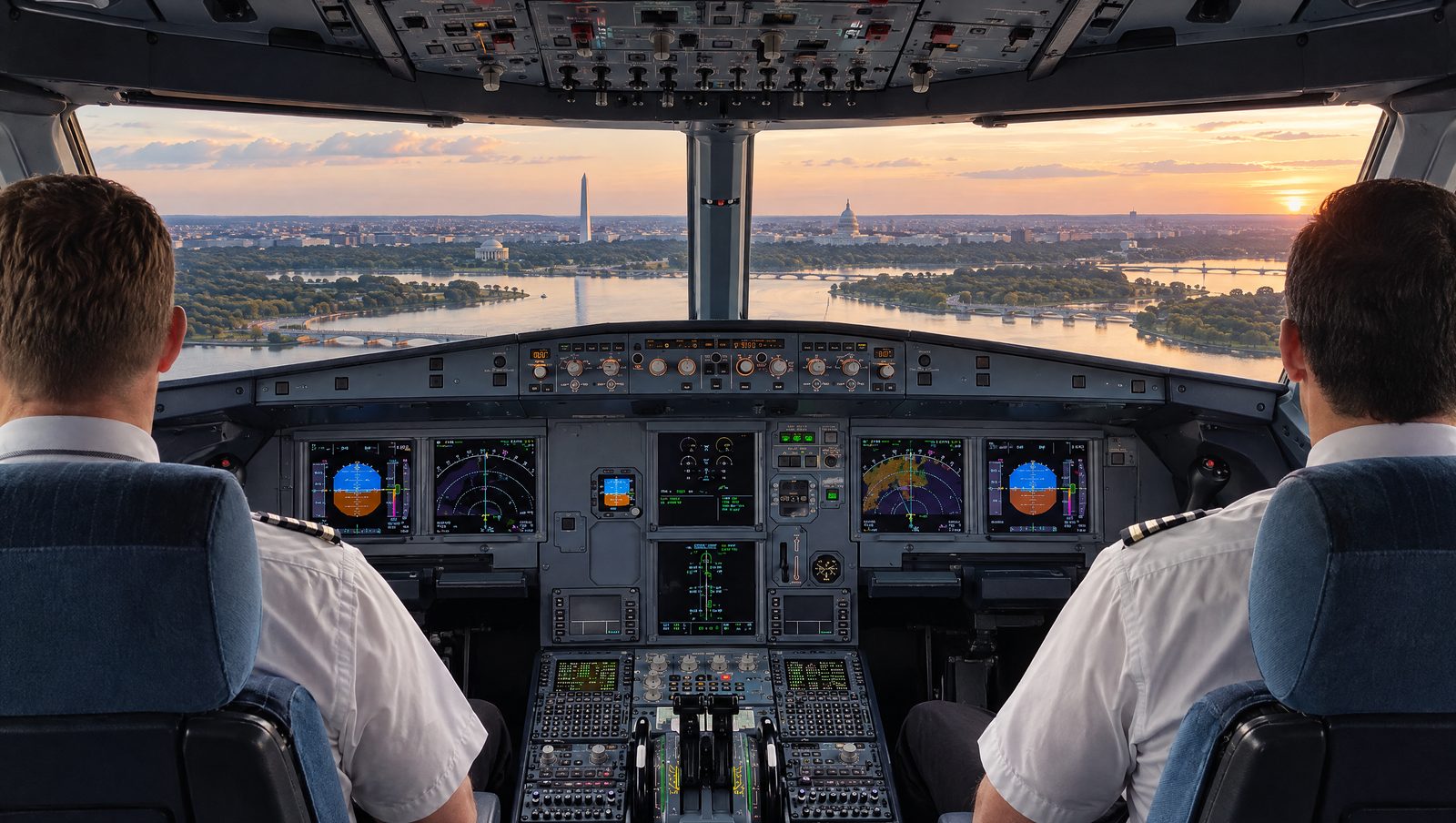
Compiled from publicly available aviation news sources. Featured image: AI-generated by AviationShop. This article is original editorial content; facts have been verified across multiple public sources.


Comments
Loading comments…