


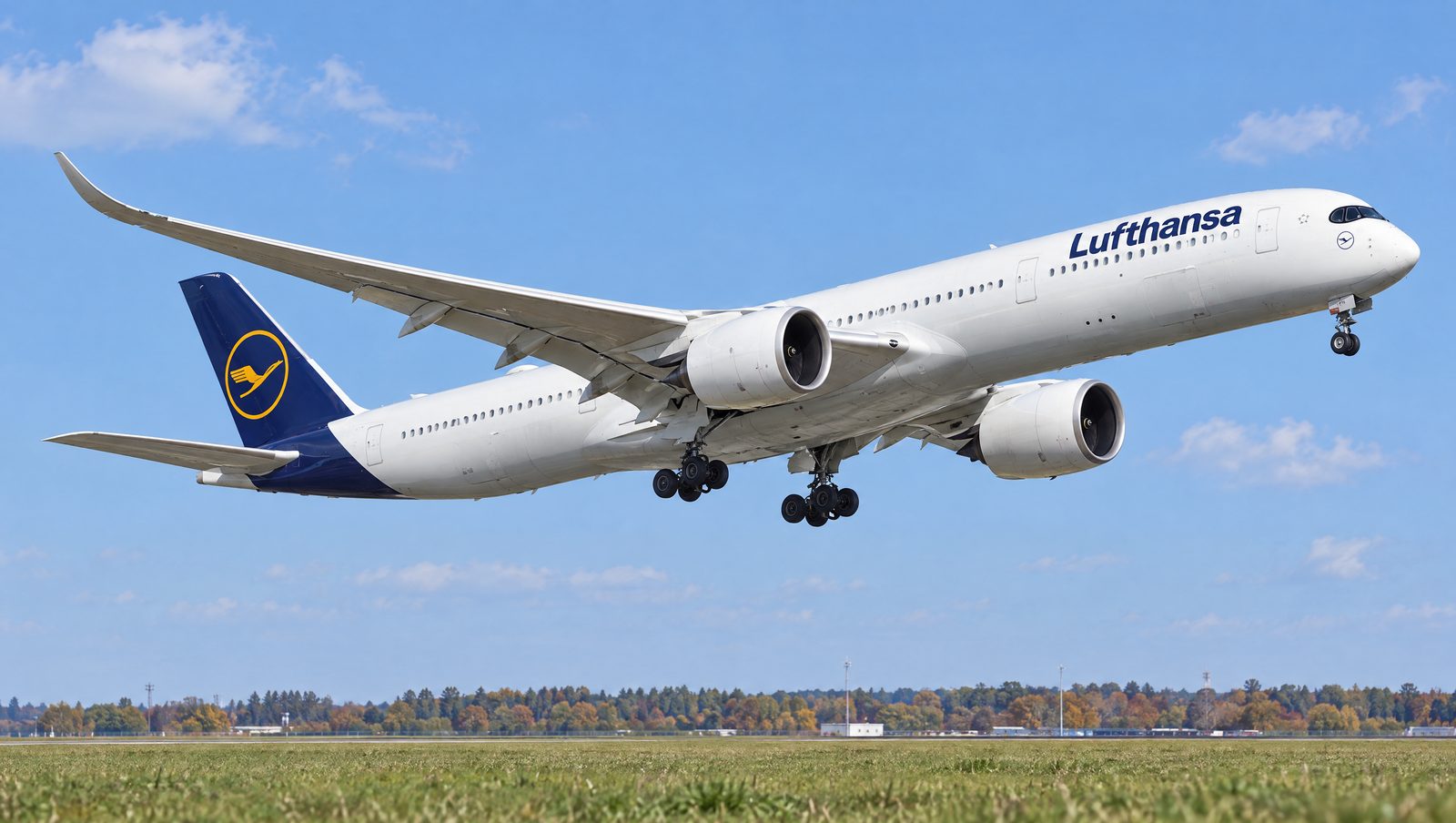
The Lufthansa Group has approved one of the largest widebody commitments in its modern history. On Monday, the Supervisory Board of Deutsche Lufthansa AG signed off on an order for ten Airbus A350-900s and ten Boeing 787-9s, a balanced split between Europe's and America's flagship twinjet families. The combined list price for the twenty aircraft is roughly $7.7 billion, with deliveries scheduled to begin in 2032 and run through 2034.
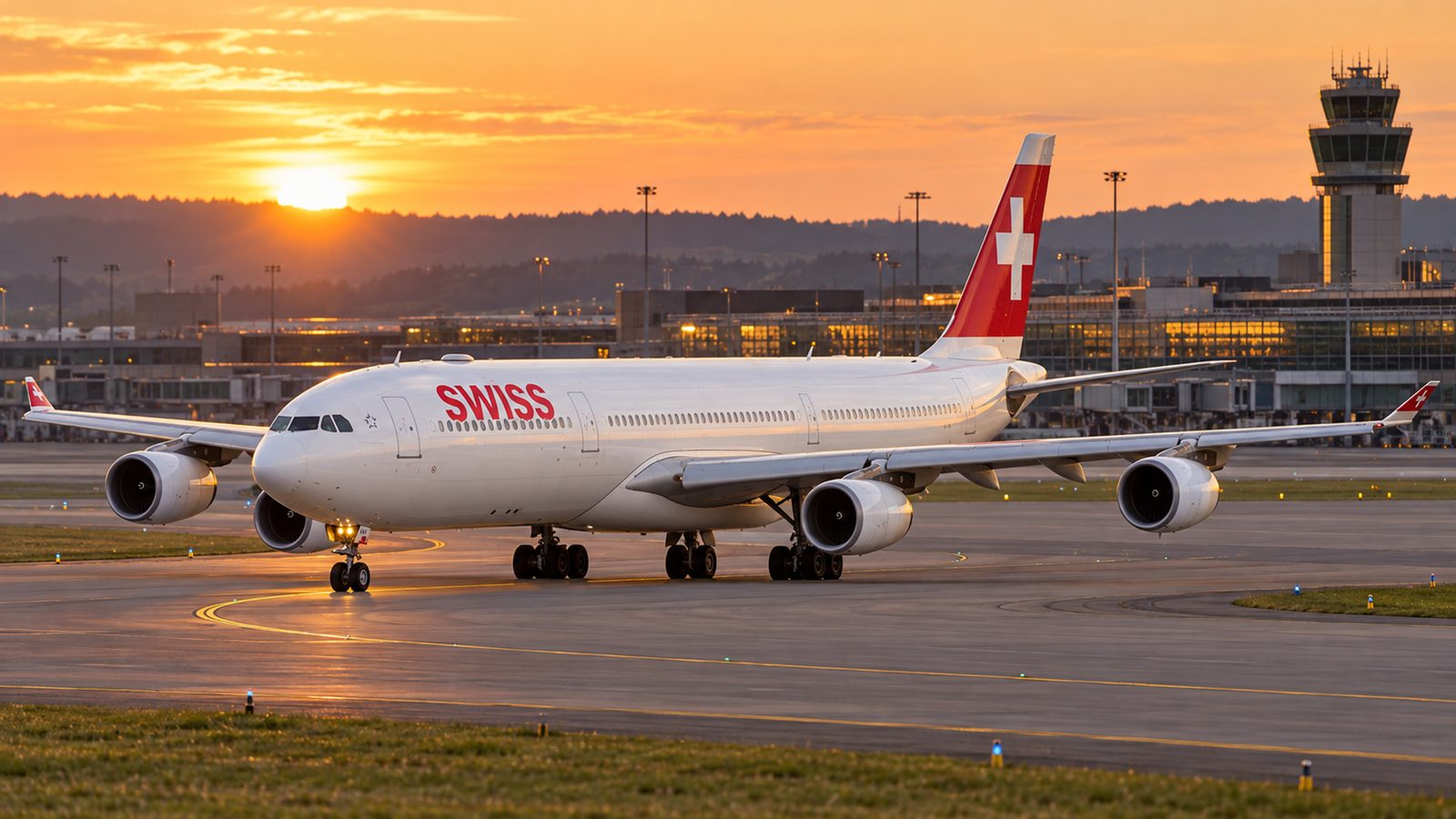
The order is explicitly framed as a long-haul renewal play rather than a growth move. Lufthansa says the new airframes are intended to gradually replace older widebodies retiring from the group's fleet beginning in 2032, including remaining four-engined types operated by Lufthansa Airlines, SWISS, Austrian Airlines and Brussels Airlines. The carrier confirmed that hub assignments and airline-by-airline allocations for the new jets will be decided later, leaving open the possibility that any of the group's main hubs in Frankfurt, Munich, Zurich, Vienna or Brussels could host the new arrivals.
Group CEO Carsten Spohr cast the decision as both a financial and an environmental investment, telling shareholders that the twenty aircraft represent a sustainable commitment to the next decade of long-haul flying. The A350-900 and 787-9 both deliver roughly a quarter less fuel burn than the older quad-jets they will replace, a meaningful operating-cost gain for a group that has spent the past three years rebalancing its widebody pipeline.
The split order also keeps Lufthansa's twin-source strategy intact. The group already operates 22 A350-900s, with more on order, alongside an existing Boeing 787-9 sub-fleet that has been expanding steadily out of Frankfurt and Munich. By topping both lines up at the same time, Lufthansa preserves leverage with both manufacturers while spreading delivery risk across the supply chain at a moment when Boeing and Airbus are still working through industry-wide bottlenecks in engines, seats and certification staff.
For passengers, the wider impact will not be felt until the new airframes enter service in the early 2030s, when many of them are expected to debut the group's latest Allegris first- and business-class cabins. For investors, the message is more immediate: Lufthansa is locking in the cost base of its long-haul network well before its existing widebodies reach the end of their economic life.
Compiled from publicly available aviation news sources. Featured image: AI-generated by AviationShop. This article is original editorial content; facts have been verified across multiple public sources.


Comments
Loading comments…