


Lufthansa has become the second major Boeing 777X customer to say it does not want some of the oldest 777-9s already built, adding to a growing headache for Boeing as it works through a backlog of early-production widebodies that predate the aircraft's certification.
Speaking during the airline's second-quarter earnings call this week, chief executive Carsten Spohr confirmed that discussions are underway with Boeing over which early-build aircraft Lufthansa will refuse outright and which could still be accepted once they have been brought up to the latest production standard. Boeing would contribute financially toward the cost of that remediation work.
The friction stems from the 777X programme's lengthy delays. Because the first 777-9 airframes were assembled years before the type is due to enter service, some of the earliest jets were built to interim specifications and have spent extended periods in storage. Carriers taking delivery of a brand-new flagship are understandably reluctant to accept aircraft that do not match the configuration and build standard of later examples rolling off the line.
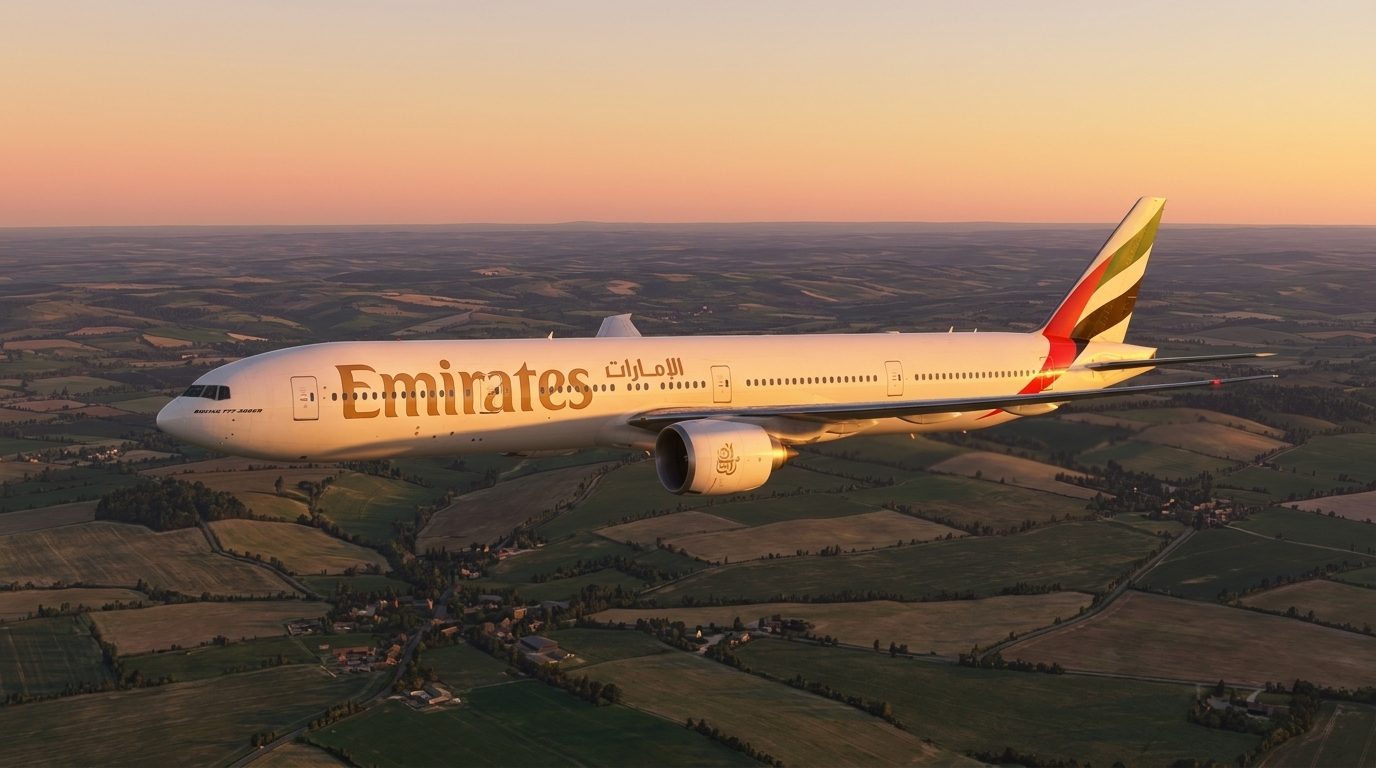
Lufthansa is not alone in drawing that line. Emirates, the largest customer for the 777X, made a similar but more sweeping decision in July, signalling that it too would not simply take the oldest frames as they are. Two of the programme's most important buyers pushing back on early-build aircraft underscores how the delays have complicated the hand-over process, not just the delivery timeline.
For Lufthansa, the 777-9 is central to its long-haul fleet renewal, eventually replacing older widebodies on its most demanding routes. Ensuring the jets it accepts are delivered to the newest standard, rather than inheriting compromises from the programme's troubled development, matters for cabin consistency, maintenance and residual value across a fleet the airline expects to operate for decades.
Boeing has continued to build 777-9s during the certification effort, leaving it holding a number of completed but undelivered aircraft. How many of those early frames are ultimately upgraded, and how many are declined by launch customers, will shape both the company's delivery ramp and the cost it absorbs to get its long-delayed flagship into airline service.
Sources: Simple Flying. Featured image: AI-generated by AviationShop. By James Holloway.


Comments
Loading comments…