


A retired QantasLink Fokker 100 has landed at Shellharbour Airport, where it will begin a second life as a public exhibit with the Historical Aircraft Restoration Society, following its final flight across Australia.
The aircraft, registered VH-NPU and named Meekatharra, was donated by QantasLink and becomes the second F100 the airline has given to HARS, after another was donated to the organisation's Parkes Museum in February 2026. It will now sit alongside Qantas' first Boeing 747-400, VH-OJA, which the airline donated to HARS in 2015 and which has become one of the museum's most visited attractions after 26 years of service.
Nearly a decade over the Pilbara and Goldfields
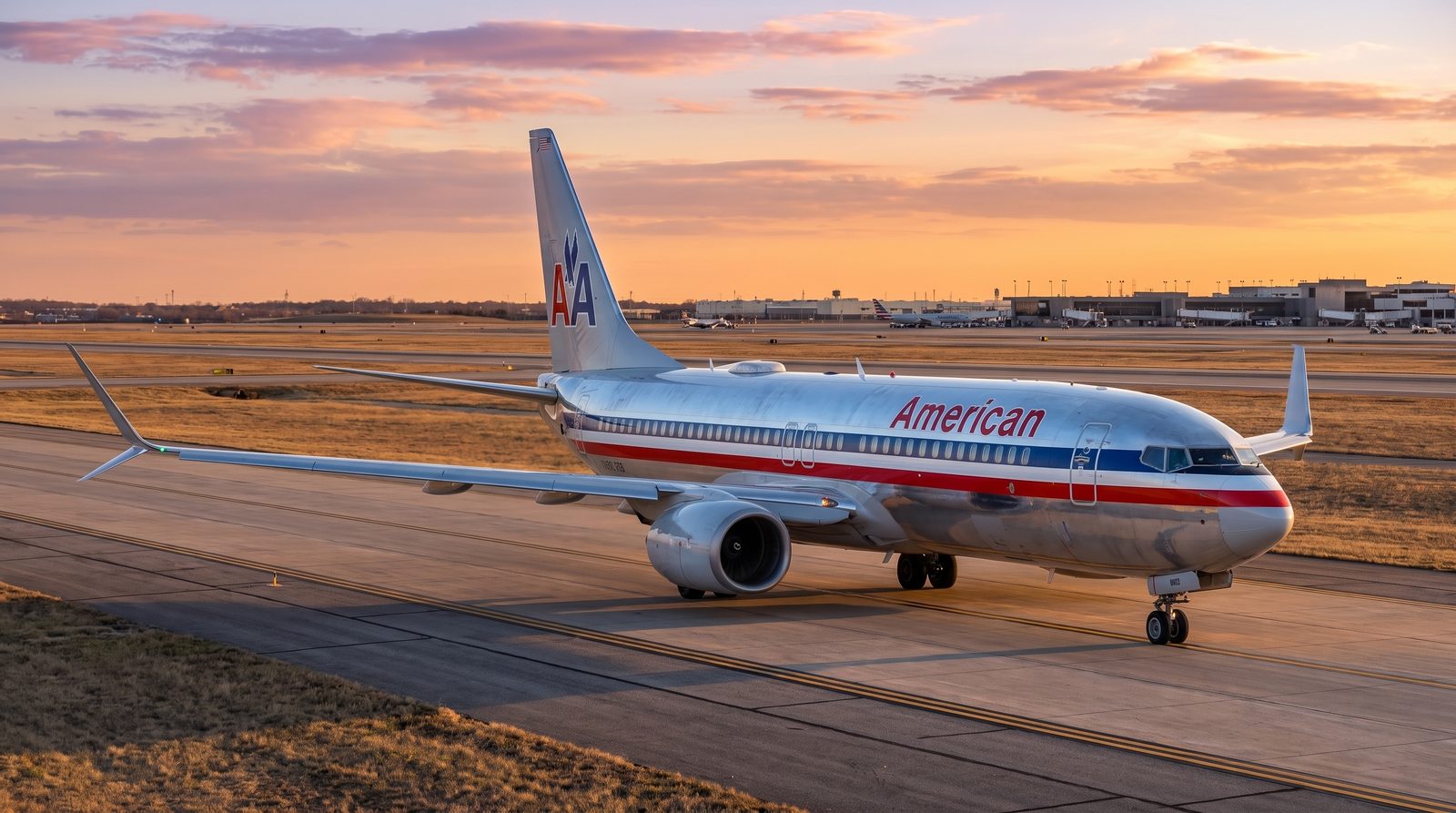
Meekatharra began flying for QantasLink in December 2016, making it the last F100 added to the airline's fleet. Before joining QantasLink it flew for American Airlines and Austrian Airlines, a reminder of how far these airframes travelled before finding their final operator.
Over its time with QantasLink the aircraft logged more than 11,250 flight hours and roughly nine million kilometres across 7,543 flights, carrying an estimated one million passengers throughout regional Western Australia while supporting the state's resource industry. The F100 fleet has connected communities including Kalgoorlie, Newman and Paraburdoo, the sort of destinations where the aircraft's short-field performance and rugged simplicity earned it a long career.
QantasLink's broader Western Australian network currently operates more than 600 flights a week to over 25 regional destinations, along with routes to Darwin, Newcastle, Hobart, Christmas Island and the Cocos (Keeling) Islands. Its current Western Australian fleet includes 40 aircraft across the Fokker 100, Airbus A319 and Airbus A320 types.
The Embraer replacement is already coming
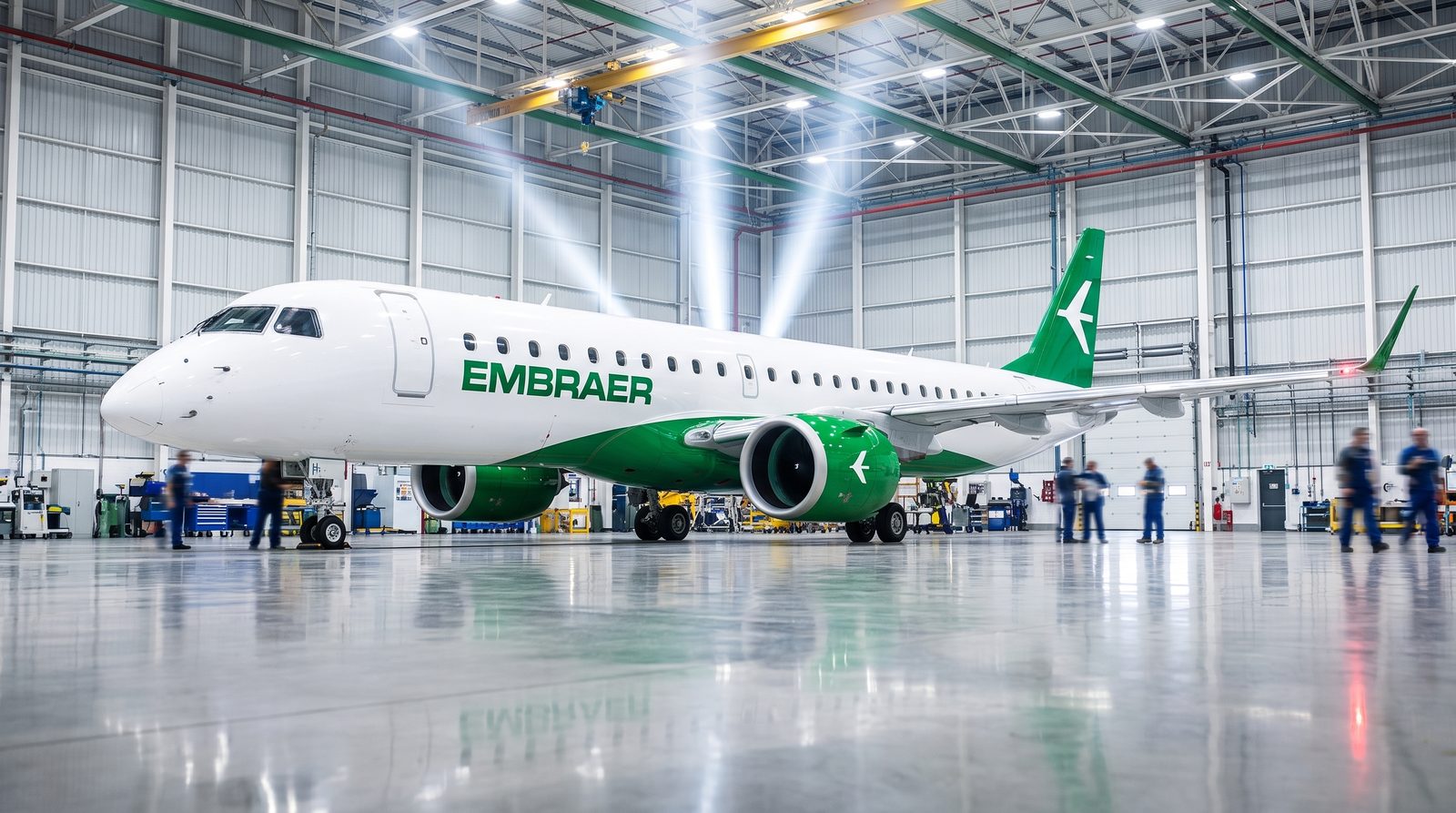
QantasLink is gradually retiring its F100 fleet in favour of Embraer E190 aircraft, a change aimed at improving reliability, fuel efficiency and passenger comfort. The airline's first E190 is expected to arrive at Perth Airport next month, which puts a firm date on the beginning of the end for the type in Western Australia.
Mark Dal Pra, managing director of QantasLink, said Meekatharra played an important role connecting regional communities across Western Australia for close to a decade. He added that HARS has become a natural home for some of the airline's retired aircraft, helping preserve important parts of Australian aviation history, and thanked the volunteers who will help ensure the aircraft's story continues to be told.
Bob De La Hunty, president and chief pilot of HARS, said the organisation was honoured that QantasLink entrusted it with another significant piece of Australian aviation history. He noted that Meekatharra will join Qantas' first Boeing 747-400 and a former Qantas Boeing 707-138 in telling the story of the aircraft that connected regional communities and supported industry across Western Australia, adding that HARS volunteers remain passionate about keeping those stories alive for visitors.
A type that outlived its manufacturer
The Fokker 100 has always been a slightly unusual survivor. Its manufacturer collapsed in the mid-1990s, yet the aircraft went on to spend decades in demanding regional and charter roles precisely because it was straightforward, tough and sized for markets that were too thin for a mainline narrowbody and too thick for a turboprop. Western Australia's mining routes were close to an ideal fit.
As the E190s arrive, aircraft like Meekatharra move from timetables to museum floors. Preserved in a hangar next to a 747-400 and a 707, it will tell a less glamorous but arguably more representative story: the day-to-day flying that keeps remote communities connected.
Sources: AeroTime. Featured image: AI-generated by AviationShop. By Daniel Okafor.
Comments
Loading comments…