


Ryanair’s decision to abandon the Azores has dealt a heavy blow to the archipelago’s economy, with local business leaders estimating the pullout could cost the Portuguese island region up to €165.8 million a year — equivalent to between 1.5% and 1.7% of its expected 2026 GDP.
The Dublin-based ultra-low-cost carrier withdrew all of its Azores flights from March 29, 2026, cutting six routes and around 400,000 annual seats. The axed services had connected the islands to London Stansted, Brussels Charleroi, Lisbon and Porto.
The economic estimate comes from the Chamber of Commerce and Industry of Ponta Delgada (CCIPD). Tourism models cited alongside it forecast a reduction of between 339,000 and 391,000 overnight stays per year, hitting hotel occupancy, seasonal employment and the wider chain of services that depend on visitor spending.
Ryanair blames costs. The airline says airport charges have risen by up to 35% since the pandemic, that Portuguese air traffic control fees have climbed 120%, and that a new €2 travel tax has been introduced — a combination it argues makes the islands uncompetitive against other destinations in its network.
Portuguese authorities dispute that account. Officials counter that the Azores’ airport fees are among the lowest in Europe and attribute the withdrawal instead to the expiry of regional subsidies that had previously underwritten the routes.
For a ULCC whose model depends on rock-bottom costs and high aircraft utilisation, thin, seasonally skewed island routes are among the first to be cut when the underlying economics shift. Ryanair operates an all-Boeing 737 fleet and continually reallocates aircraft to the airports offering the lowest charges and the highest returns.
The episode illustrates the leverage that large low-cost carriers hold over small, tourism-dependent regions. With Ryanair gone, the Azores face higher fares and thinner connectivity on the affected routes, at least until other airlines judge the market worth serving on commercial terms.
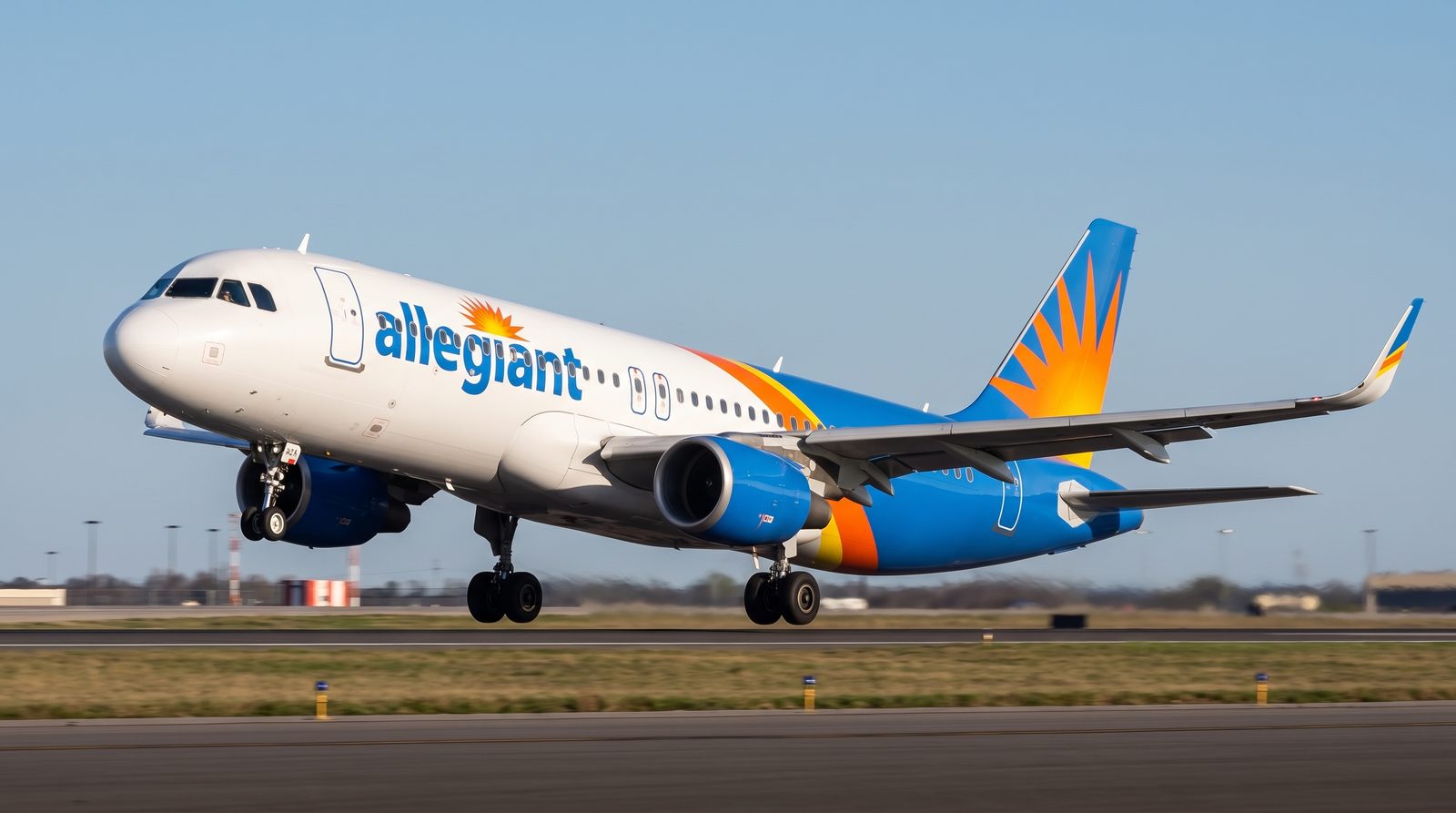
Sources: Simple Flying, Aviation24. Featured image: AI-generated by AviationShop. By Marco Bianchi.


Comments
Loading comments…