


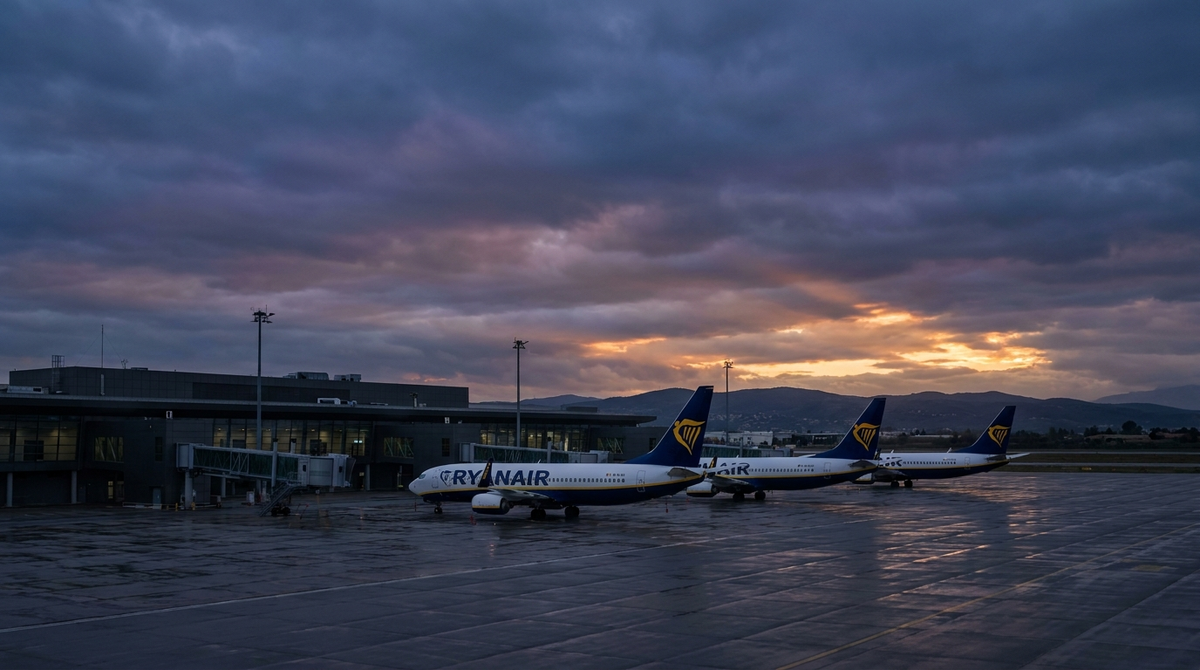
Ryanair has formally announced the shutdown of its three-aircraft base at Thessaloniki Macedonia Airport (SKG) for Winter 2026, eliminating 12 routes and stripping roughly 700,000 seats out of Greece's second-largest city. The Irish ultra-low-cost carrier is also pulling capacity from Athens, in what is now the most aggressive Greek retreat in the airline's 40-year history.
The decision punishes Fraport Greece, which operates Thessaloniki and 13 other regional airports under a long concession. Ryanair argues that Fraport refused to pass on a €9 per-passenger cut in the country's Airport Development Fee that Athens approved at the end of 2024. Instead of dropping ticket-load charges from €12 to €3, the operator kept the difference. Ryanair says that double-digit unit-cost gap makes Thessaloniki uncompetitive against rival European bases for a winter schedule that already runs on thin margins.
Beyond the base itself, the impact reaches deep into northern Greece's tourism economy. Ryanair accounted for almost 90% of Thessaloniki's international winter capacity last year, with routes feeding leisure and visiting-friends-and-relatives traffic from Germany, the UK, Italy and Scandinavia. Twelve city pairs disappear from the airline's network on 26 October, and three Boeing 737 MAX aircraft will be redeployed to Albania, regional Italy and Sweden, where airports have either capped charges or fully passed on tax relief.
Athens is not spared either. Ryanair confirmed it will trim winter capacity at the capital as well, though it stopped short of closing that base. The airline's commercial team framed the move as a structural response, not a one-off protest, signalling that capacity will not return until Fraport's pricing changes. Greek tourism officials privately concede that even a partial reversal will be hard to engineer before next summer, since aircraft and crew slots for Winter 2026 are already being committed elsewhere.
The closure adds Thessaloniki to a growing list of European bases — including Bordeaux, Cagliari and parts of Spain — where Ryanair has either downsized or walked away during 2025–2026. With fuel costs still elevated post the U.S.–Israeli war on Iran and Boeing MAX deliveries still constrained, the carrier is keeping its fleet concentrated in markets that fund its growth rather than tax it. For passengers in northern Greece, the practical result is fewer winter flights, sharply higher fares on the routes that survive, and a more dominant position for Aegean Airlines and the legacy network carriers feeding through Athens.
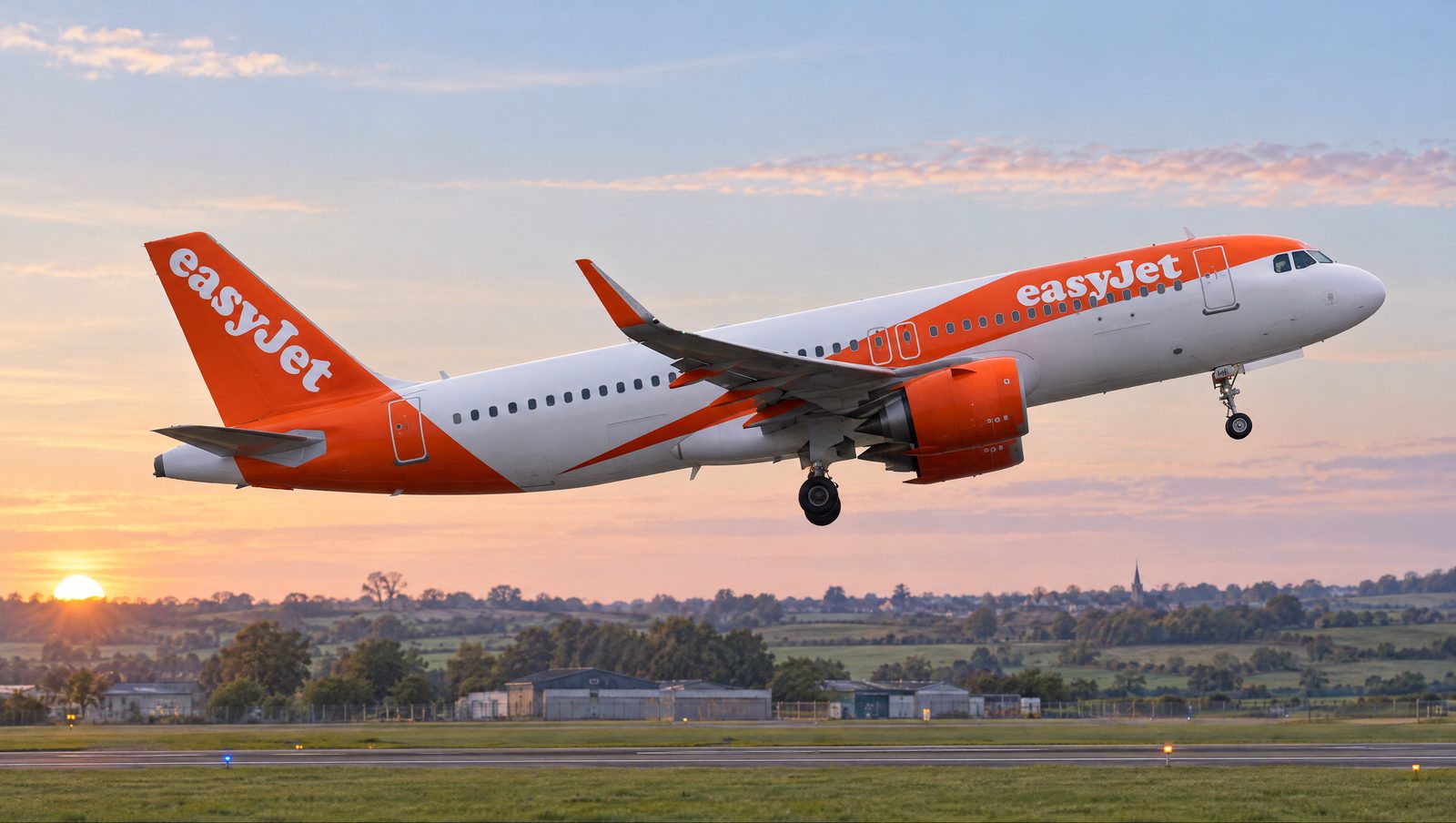
Compiled from publicly available aviation news sources. Featured image: AI-generated by AviationShop. This article is original editorial content; facts have been verified across multiple public sources.






Comments
Loading comments…