


Scandinavian Airlines (SAS) has placed a major widebody order with Airbus, signing a deal for up to 40 Airbus A330 widebodies — the bulk of them new-generation A330-900neos alongside additional A330-300s — as the carrier moves to modernize its long-haul fleet under new ownership within the SkyTeam alliance. The order comprises a mix of firm commitments and options, representing one of the largest fleet decisions in SAS's recent history and a clear signal of the airline's ambitions for transatlantic and intercontinental expansion following its emergence from Chapter 11 bankruptcy proceedings and acquisition by the Air France-KLM consortium.
The A330-900neo selection marks a strategic pivot for SAS, which has historically operated a mixed widebody fleet including older Airbus A330-300s and A340-300s. The neo variant offers substantially improved economics over its predecessor, with Rolls-Royce Trent 7000 engines delivering roughly 25 percent lower fuel burn per seat compared to previous-generation A330s. For an airline rebuilding its financial foundations after a prolonged restructuring period, the operating cost savings embedded in the neo platform are significant. The aircraft's range of approximately 7,200 nautical miles also positions SAS well for both its established North Atlantic routes — connecting Copenhagen, Stockholm, and Oslo with major U.S. gateways — and potential new destinations in Asia that the carrier has been evaluating.
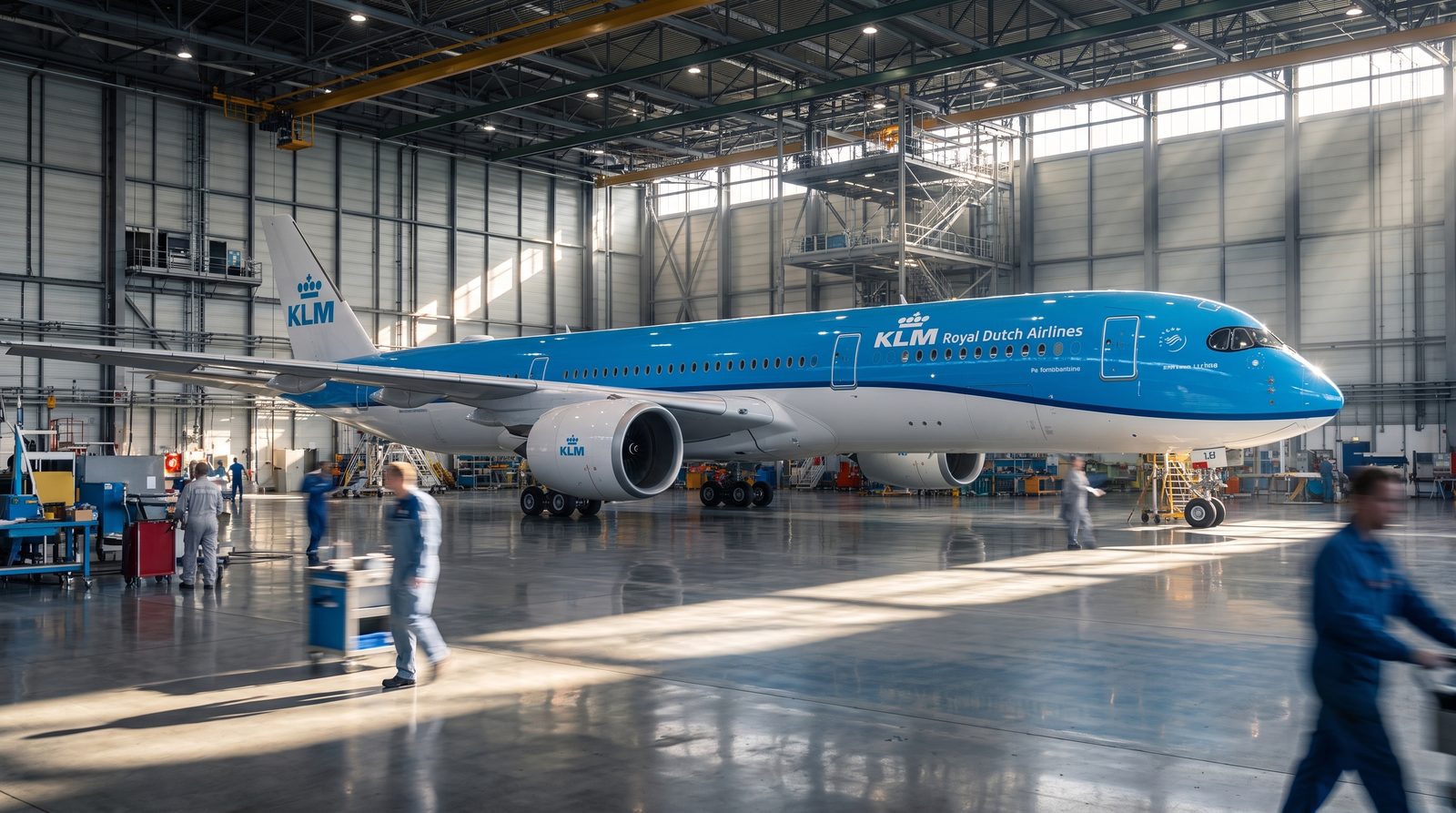
The deal underscores how deeply SAS's fleet strategy is now aligned with the broader Air France-KLM group. Air France-KLM already operates a large fleet of Airbus widebodies, including the A350, so adding the A330neo extends Airbus fleet commonality across the group. Commonality across the group reduces training costs, simplifies spare parts logistics, and enables more flexible crew sharing arrangements — all factors that make the A330neo a natural fit for the Scandinavian carrier under its new corporate structure. The order also reinforces Airbus's dominance in the widebody segment among European network carriers, where the A330neo and A350 have become the default choices for fleet renewal.
SAS's long-haul network has been in a state of flux since the airline filed for Chapter 11 protection in mid-2022. Several routes were trimmed or suspended during the restructuring, and the carrier's aging widebody fleet required a definitive replacement plan. The A330-900neo provides a right-sized solution for SAS's network profile: its typical three-class configuration seats between 260 and 300 passengers, making it well suited for routes that don't demand the capacity of a larger A350-900 or Boeing 787-10 but require more range and premium cabin space than a narrowbody or smaller widebody can offer. Copenhagen to New York, Chicago, San Francisco, and Washington, D.C. are among the bread-and-butter routes where the type is expected to operate.
Deliveries of the A330-900neo to SAS are expected to begin in the coming years, though the exact timeline will depend on Airbus's production schedule, which remains constrained by ongoing supply chain challenges affecting the entire aerospace industry. Airbus has been gradually ramping A330neo output at its Toulouse final assembly line, but delivery slots remain competitive as airlines worldwide pursue fleet renewal programs. The phased nature of the SAS order — with firm aircraft supplemented by options — gives the airline flexibility to scale its widebody intake according to demand recovery on intercontinental routes and the pace of older aircraft retirements.
From an industry perspective, the order adds to a strong run of A330neo sales that Airbus has secured in recent years. The type has found favor with carriers seeking a modern, efficient twin-aisle aircraft at a lower capital cost than the A350, filling a market niche that Boeing has struggled to address since the 767's production wind-down and the ongoing uncertainty surrounding the timing of a potential new midsize airplane program. For SAS, the commitment to up to 40 airframes suggests the airline envisions not merely a like-for-like replacement of its current widebody fleet but a genuine expansion of long-haul capacity as it competes for premium transatlantic traffic under the SkyTeam umbrella.
The order cements SAS's transformation from a financially troubled legacy carrier into a leaner, group-integrated airline with a clear widebody roadmap. As the A330-900neos enter service, passengers on SAS's intercontinental routes can expect refreshed cabin products consistent with the latest Airbus Airspace interior standards, including newer-generation in-flight entertainment systems and improved lighting. For Scandinavian travelers and the broader European long-haul market, the fleet renewal promises a meaningful step forward in both comfort and environmental performance.
Sources: Simple Flying, Aviation Week. Featured image: AI-generated by AviationShop. By James Holloway.







Comments
Loading comments…