


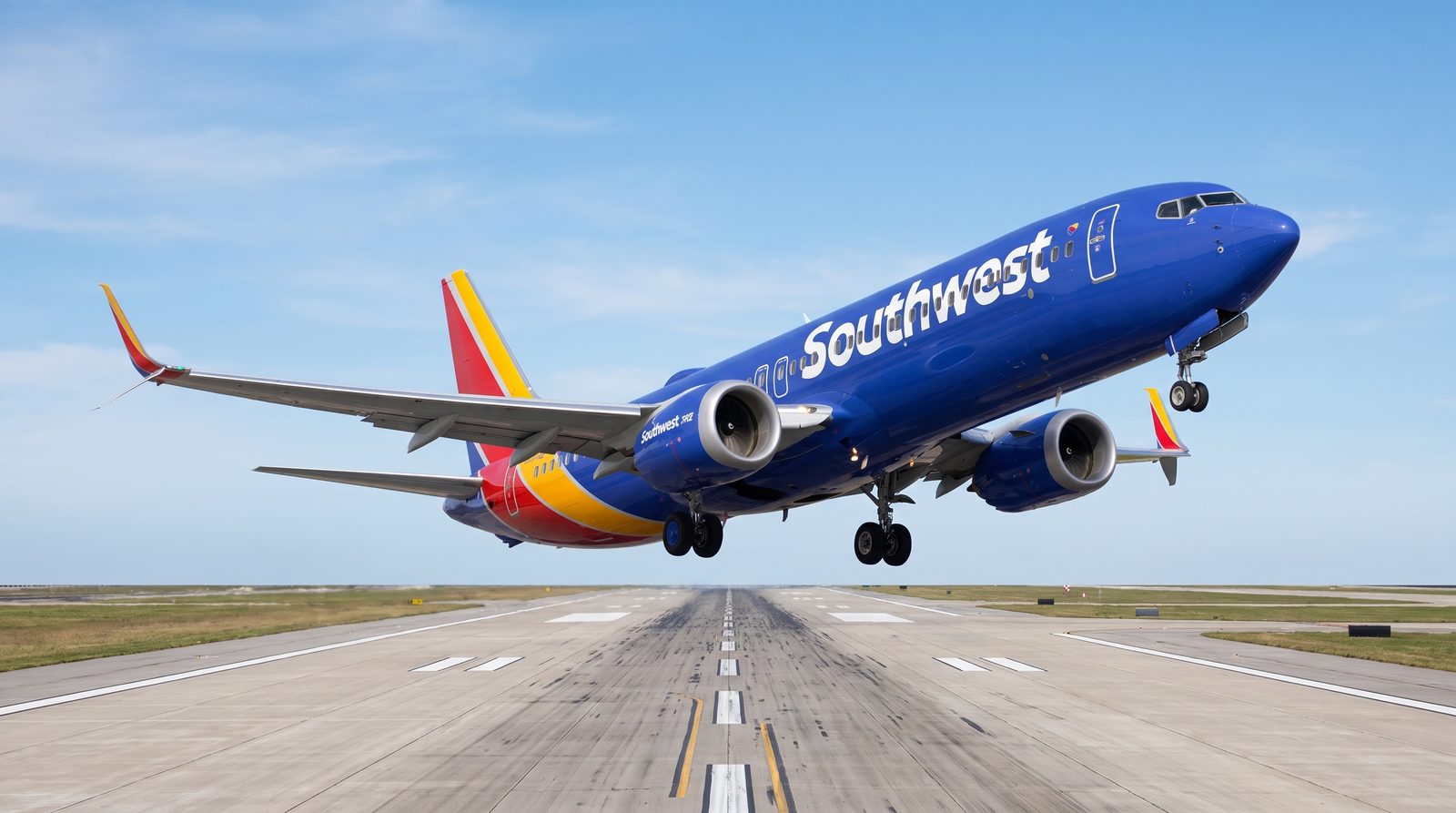
Southwest Airlines has unveiled plans to launch 23 new nonstop routes in late 2026, marking one of the carrier's most aggressive network expansions in recent memory. The Dallas-based low-cost giant is broadening its domestic and leisure-oriented footprint with the new city pairs, which are expected to begin service in the latter part of next year. The move signals that Southwest is doubling down on point-to-point connectivity at a time when competitors are consolidating hub operations and trimming underperforming markets.
The 23 new nonstop routes span a mix of business-oriented corridors and leisure destinations, reflecting Southwest's dual strategy of capturing both corporate travelers seeking convenient connections and vacationers looking for affordable direct flights. While the airline has not disclosed specific passenger demand forecasts for each route, the sheer volume of new city pairs suggests confidence in sustained travel demand heading into the second half of 2026. Southwest has historically used large-scale route announcements to stake early claims on underserved markets, often forcing competitors to match fares or cede ground entirely.
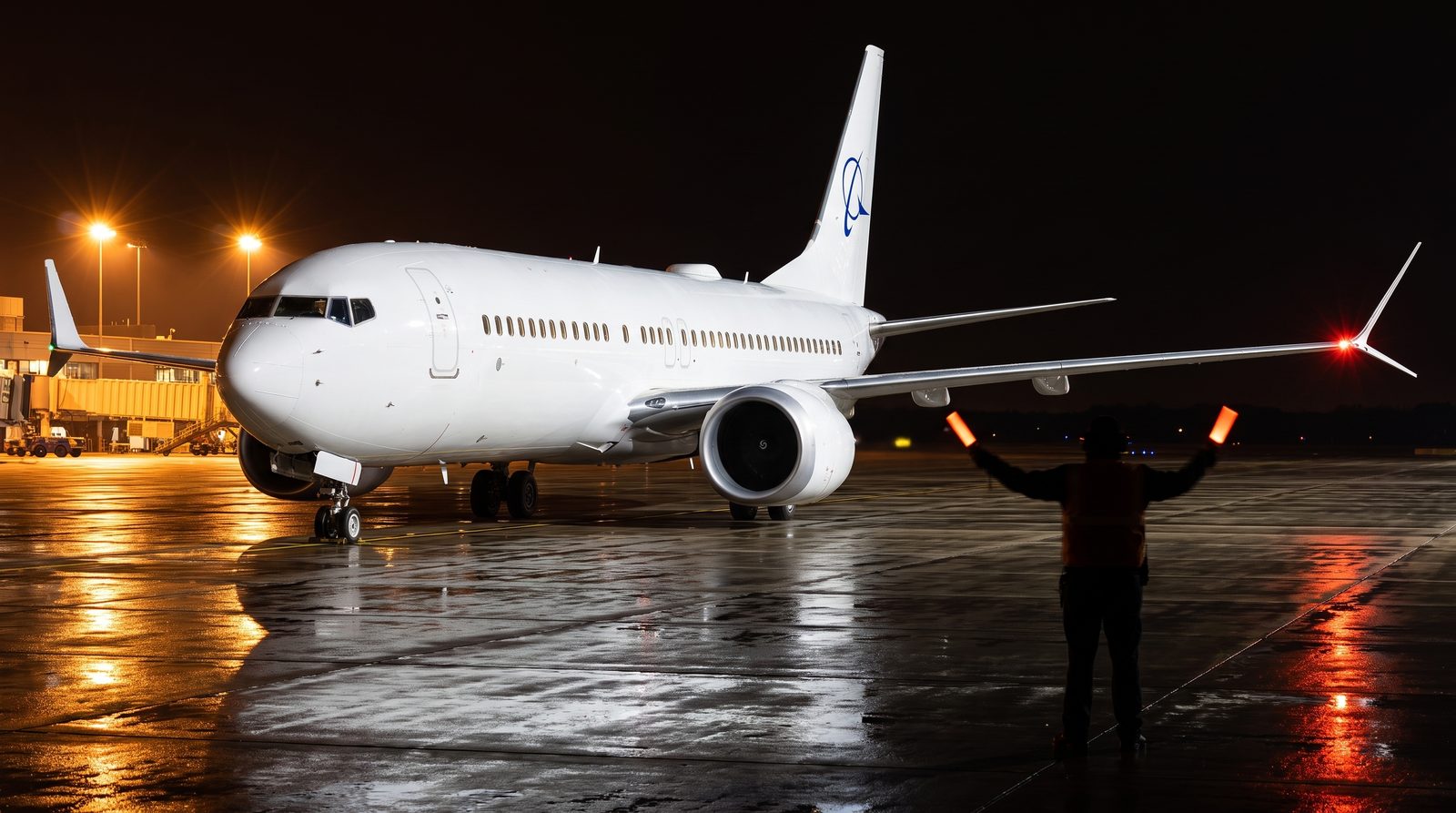
The new services will be operated using Southwest's all-Boeing 737 fleet, with the Boeing 737-800 serving as the workhorse across these additions. Southwest is the world's largest operator of the 737 family and maintains a single-type fleet strategy that has been central to its cost discipline for decades. The 737-800, seating 175 passengers in Southwest's all-economy configuration, offers the range and economics well-suited to the medium-haul domestic routes that form the backbone of the carrier's network. By avoiding fleet complexity, Southwest keeps training, maintenance, and spare-parts costs lower than carriers juggling multiple aircraft types — savings it can pass on through competitive fares.
This expansion comes as Southwest navigates a period of strategic transformation under pressure from activist investor Elliott Investment Management, which pushed for leadership changes and operational overhauls in 2024. The airline has since introduced assigned seating for the first time in its history, begun selling premium cabin products, and signaled a willingness to rethink long-standing practices that once defined its brand. Adding 23 routes fits neatly into the broader narrative of a carrier that is growing more aggressively while simultaneously evolving its product to capture higher-yield passengers who may have previously booked with full-service competitors.
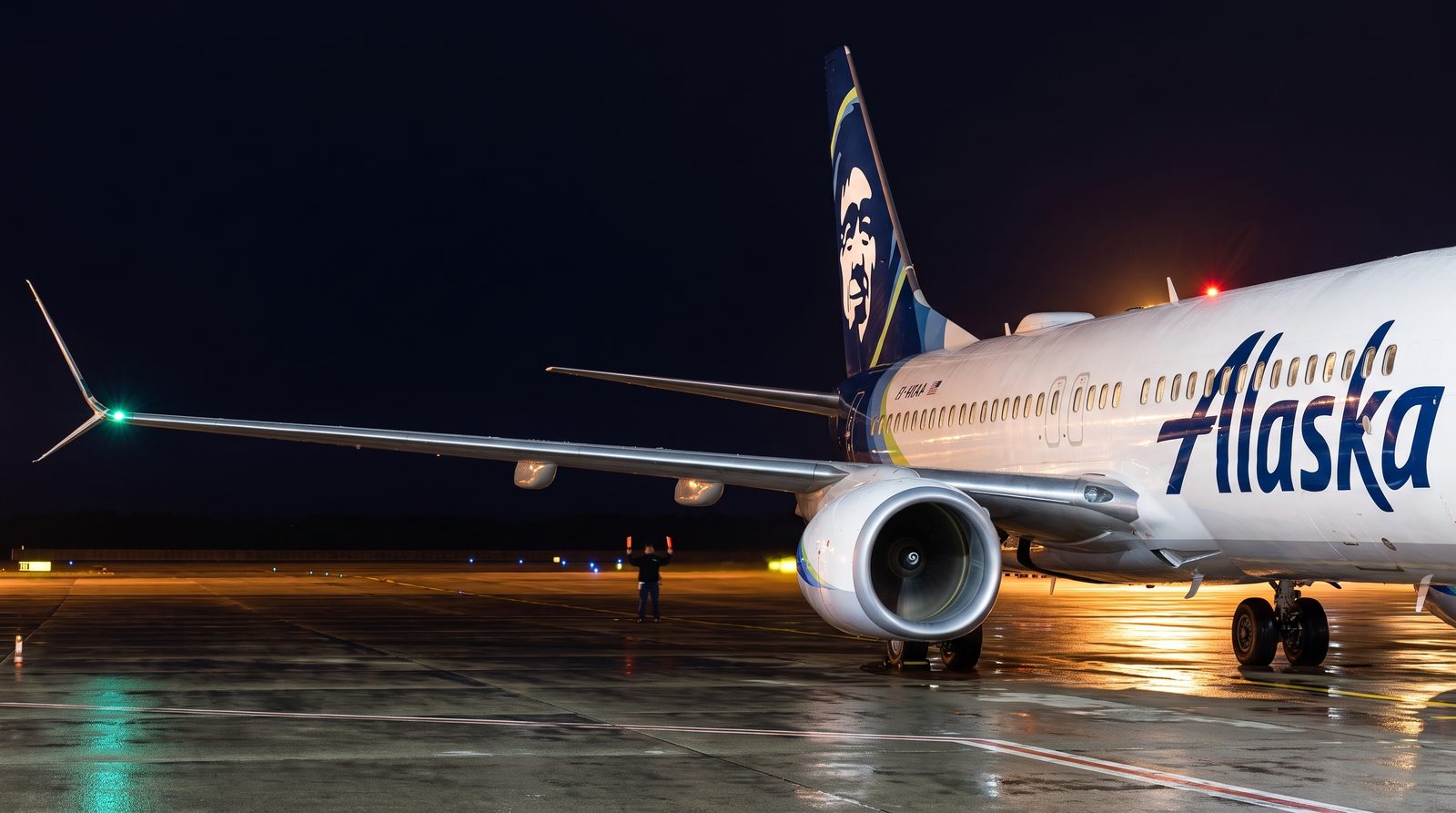
Network growth of this scale also reflects Southwest's confidence in its ability to source sufficient aircraft amid ongoing Boeing delivery challenges. The manufacturer has struggled with production rate increases and quality control issues following the January 2024 door-plug blowout on an Alaska Airlines 737 MAX 9, which led to heightened FAA scrutiny and production caps. Southwest, which has outstanding orders for the 737 MAX 7 and MAX 8, has had to manage its growth plans around delivery timelines that remain uncertain. The fact that the airline is announcing 23 new routes suggests it has enough 737-800s and incoming MAX deliveries in its planning window to staff the additional flying without overextending its operational capacity.
For passengers, the practical impact is more options with fewer connections. Southwest's point-to-point model has always prioritized nonstop convenience over the hub-and-spoke efficiency favored by legacy carriers like American, Delta, and United. Each new nonstop route eliminates a connection for travelers in those markets, reducing total travel time and the risk of missed connections or delayed bags — advantages that resonate strongly with both leisure and business flyers. Southwest's lack of baggage fees and flexible rebooking policies further sweeten the proposition for price-sensitive customers comparing options.
The late 2026 launch window gives Southwest roughly 18 months to finalize crew hiring, training, and ground operations at the airports involved. Ramping up that many routes simultaneously requires coordination across flight operations, airport facilities, and marketing to build awareness in new markets where Southwest may not have an established presence. The airline has executed large-scale route launches before, including during its post-pandemic recovery in 2021 and 2022 when it rapidly rebuilt its network to match surging demand.
With 23 new nonstops on the horizon, Southwest is making a clear statement that its growth ambitions remain intact despite the broader industry headwinds of delivery delays, cost inflation, and competitive pressure. The routes will be closely watched as a barometer of whether the airline's evolving strategy — blending its traditional low-cost DNA with new premium elements — can sustain profitable expansion into markets where rivals are already entrenched.
Sources: Simple Flying. Featured image: AI-generated by AviationShop. By Marco Bianchi.



Comments
Loading comments…