


Most passengers never see it, and most flights never need it. But tucked into the belly or wing root of nearly every modern airliner is a small, spring-loaded propeller that can drop into the slipstream in seconds and keep a crippled jet flying. It is called the Ram Air Turbine, or RAT, and it is one of the most elegant pieces of emergency engineering in aviation.
What the RAT Actually Is
A Ram Air Turbine is a small two- or four-bladed propeller, typically less than a metre across, mounted on a hinged strut. In normal flight it sits flush inside the airframe. If the aircraft loses its main sources of power, the RAT deploys automatically into the airflow rushing past the aircraft. That airflow — the “ram air” — spins the propeller, and the spinning shaft drives either a hydraulic pump, a small electrical generator, or both.
The principle is almost old-fashioned in its simplicity: it is a windmill. As long as the aircraft is moving forward through the air, the RAT can produce power, no engines required. That makes it the perfect last-ditch back-up, because the one thing a gliding airliner always has is air moving past it.
Why an Airliner Needs One
Modern jets are heavily dependent on hydraulic and electrical power. Hydraulics move the flight controls that steer a 200-tonne aircraft; electrical power runs the flight instruments, the flight computers and essential systems. Normally that power comes from generators and pumps driven by the engines, with the Auxiliary Power Unit (APU) as a back-up.
But what if the engines stop and the APU is unavailable? A dual-engine failure is extraordinarily rare, yet it is exactly the scenario the RAT exists for. By providing a modest but vital trickle of power, the RAT keeps the primary flight controls and key instruments alive so the crew can fly the aircraft and attempt a landing rather than losing control.
The Famous Saves
Two well-known incidents show the RAT doing its job. In January 2009, a US Airways Airbus A320 lost thrust in both engines after a bird strike shortly after departing New York’s LaGuardia. As the engines wound down, the RAT deployed, helping to keep the fly-by-wire flight controls powered while the crew glided the jet to a controlled ditching on the Hudson River. Everyone on board survived.
Years earlier, in 2001, an Air Transat Airbus A330 ran out of fuel over the Atlantic after a leak. With both engines flamed out, the crew glided the widebody for roughly 100 kilometres on RAT power alone and landed at a military airfield in the Azores. In both cases, the little windmill in the slipstream gave the pilots the control authority they needed to turn a catastrophe into a survivable landing.
How and When It Deploys
Deployment can be automatic or manual. On most aircraft, sensors detect the loss of hydraulic pressure or electrical power and release the RAT without any crew action, so it is already spinning by the time the pilots have diagnosed the problem. There is also a manual deployment switch in the cockpit as a back-up. Once locked into the airflow, the RAT typically cannot be retracted in flight; it stays out until the aircraft is on the ground and maintenance crews stow it.
Because it relies on airspeed, the RAT produces more power the faster the aircraft is flying and less as it slows for landing. Engineers size it to deliver enough power across the realistic range of glide and approach speeds, but its output is deliberately limited to essentials. It will not run the cabin lights, the galleys or the air conditioning — it exists to power flight controls and critical instruments, and nothing more.
A Deliberately Simple Back-Up
Part of what makes the RAT so reliable is that it is mechanically straightforward and independent of the systems that may have failed. It does not need fuel, it does not need the engines, and it does not need the main electrical buses. It simply needs the aircraft to keep moving through the air, which a gliding jet does naturally.
That independence is the whole point. In safety engineering, the most valuable back-ups are the ones that share nothing with the systems they are protecting. The Ram Air Turbine embodies that idea: a humble propeller, hidden away for an entire aircraft’s service life, ready to drop into the wind on the rarest and worst of days and give a crew the power to bring everyone home.
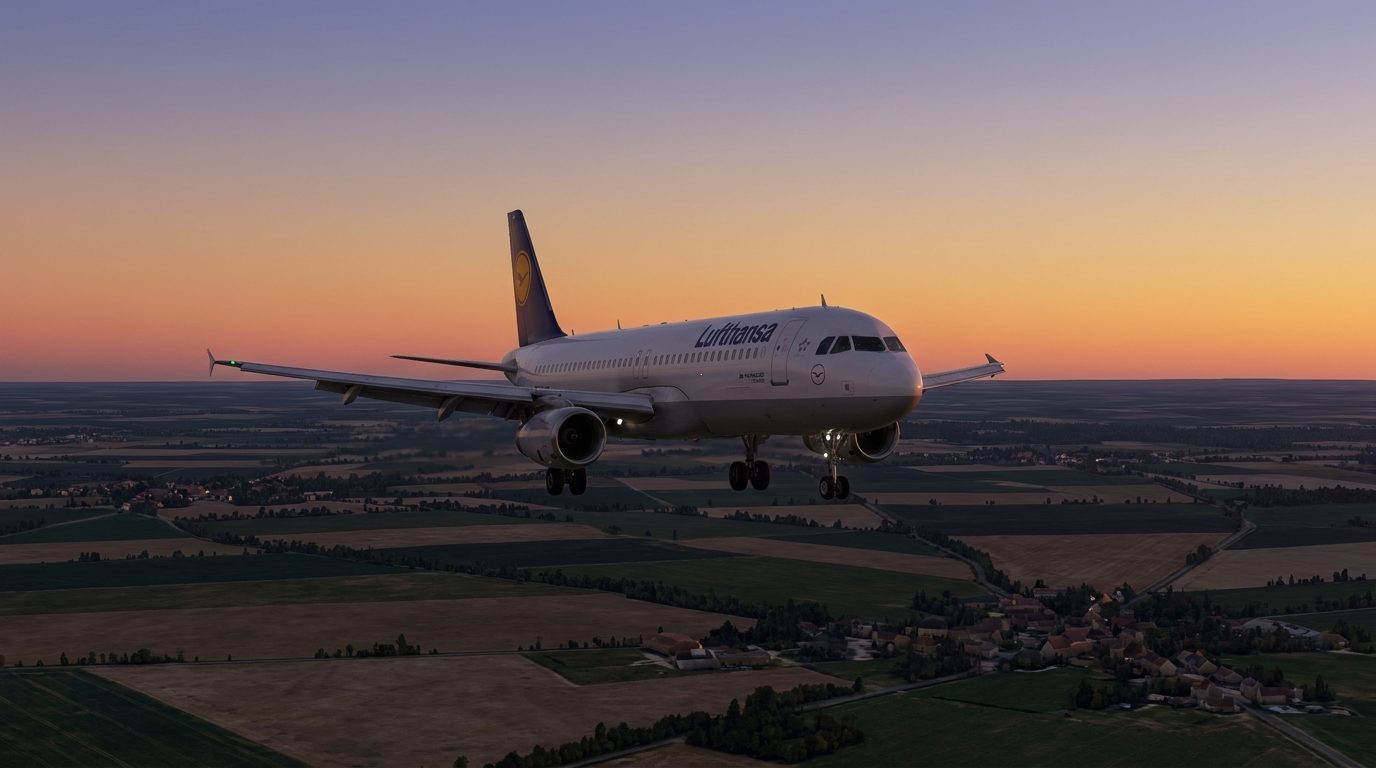
AviationShop Editorial Desk. Featured image: AI-generated by AviationShop. By Marco Bianchi.
















Comments
Loading comments…