


UPS is spending more than $2 billion to expand its air-cargo hubs and logistics operations, doubling down on international freight and healthcare shipping as it scales back the low-margin delivery volume it once handled for Amazon.
The Atlanta-based company announced the $2 billion total on 24 August 2026, disclosing investments across Europe, Asia-Pacific and the Americas. The spending covers its International, Healthcare and Supply Chain Solutions businesses, and includes new air hubs in the Philippines and Hong Kong, an expanded facility at South Korea's Incheon International Airport, and new temperature-controlled buildings designed to move pharmaceuticals and other sensitive cargo between aircraft and ground transport.
"Customers need end-to-end logistics that match their requirements for visibility, speed and ease," said Kate Gutmann, UPS Executive Vice President and President of International, Healthcare and Supply Chain Solutions. Gutmann said the investments would allow UPS to combine air transport, ground delivery, customs brokerage and distribution with fewer handoffs between providers.
A New Hub At Clark
One of the largest projects is a new UPS hub at Clark International Airport (CRK) in the Philippines. The facility is expected to open during the fourth quarter of 2026 and will process imports, exports and cargo moving through the Philippines to other markets. UPS has operated at Clark for more than 25 years, and the new hub is intended to improve transit times within Asia-Pacific while connecting the company's express-package, supply-chain and healthcare operations under one roof.
Hong Kong Scales Up For 2028
A larger air hub at Hong Kong International Airport (HKG) is scheduled for completion in 2028. The fully automated facility will occupy approximately 20,000 square metres with direct access to aircraft, and UPS says it is being designed to handle close to one million metric tons of cargo annually.
The Hong Kong hub will process imports, exports and transshipments moving between Asia, Europe and the United States. Its location also provides access to the Hong Kong-Zhuhai-Macau Bridge and China's Greater Bay Area, one of the densest manufacturing regions in the world. UPS broke ground on the facility earlier in 2026.
Why The Shift Matters
The investment reflects a deliberate change in mix. As UPS steps back from high-volume, low-margin residential parcels tied to Amazon, it is redirecting capital toward international express and healthcare logistics, where yields are higher and where cold-chain handling capability is a genuine competitive barrier.
For the air network, that means more purpose-built freight infrastructure at gateway airports rather than simply more flying. Faster ramp-to-warehouse handling, automation and temperature-controlled space all translate into shorter connection times for the freighters that feed these hubs, and into better use of the aircraft already in the fleet.
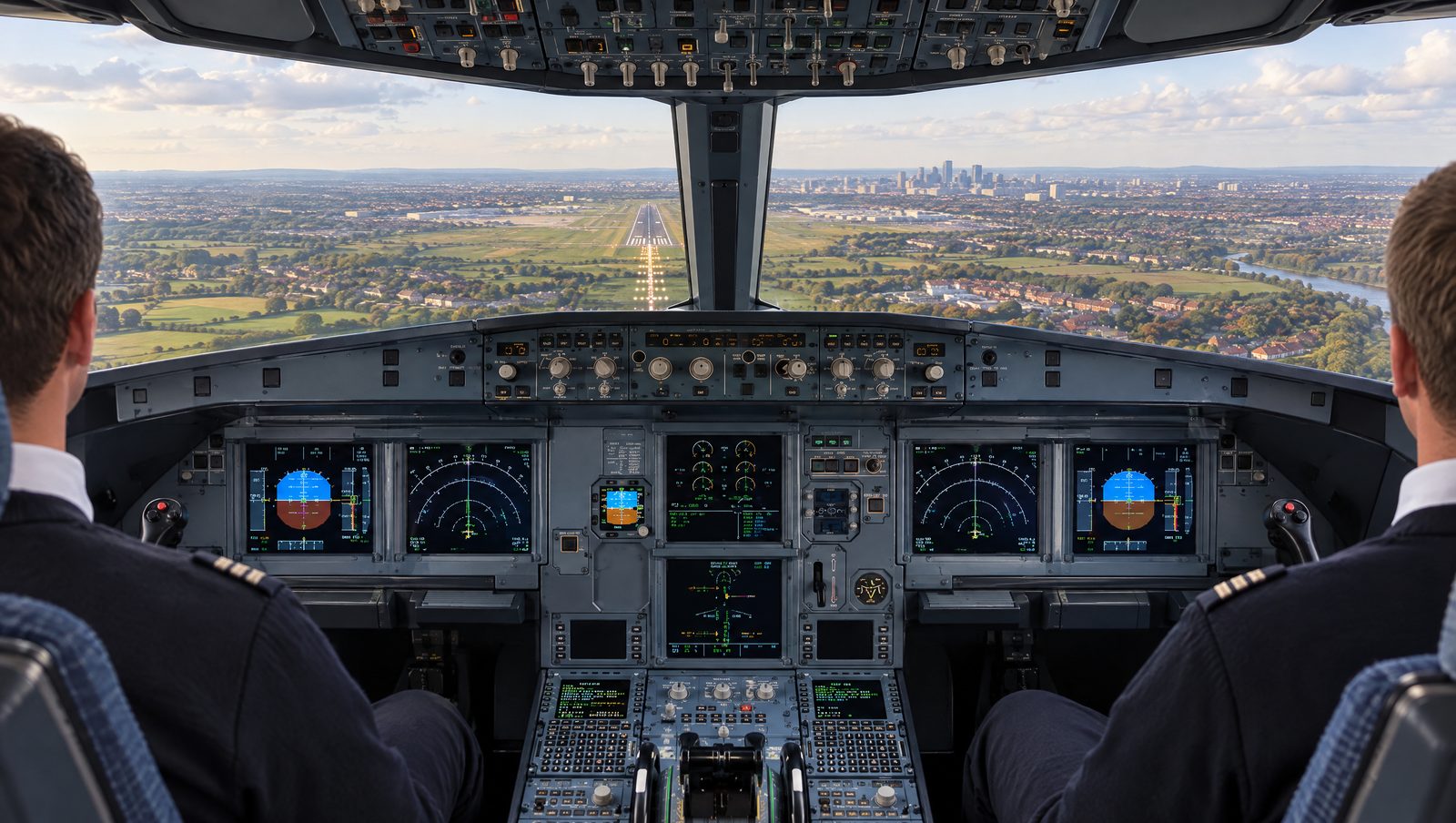
Sources: AeroTime. Featured image: AI-generated by AviationShop. By Daniel Okafor.




Comments
Loading comments…