


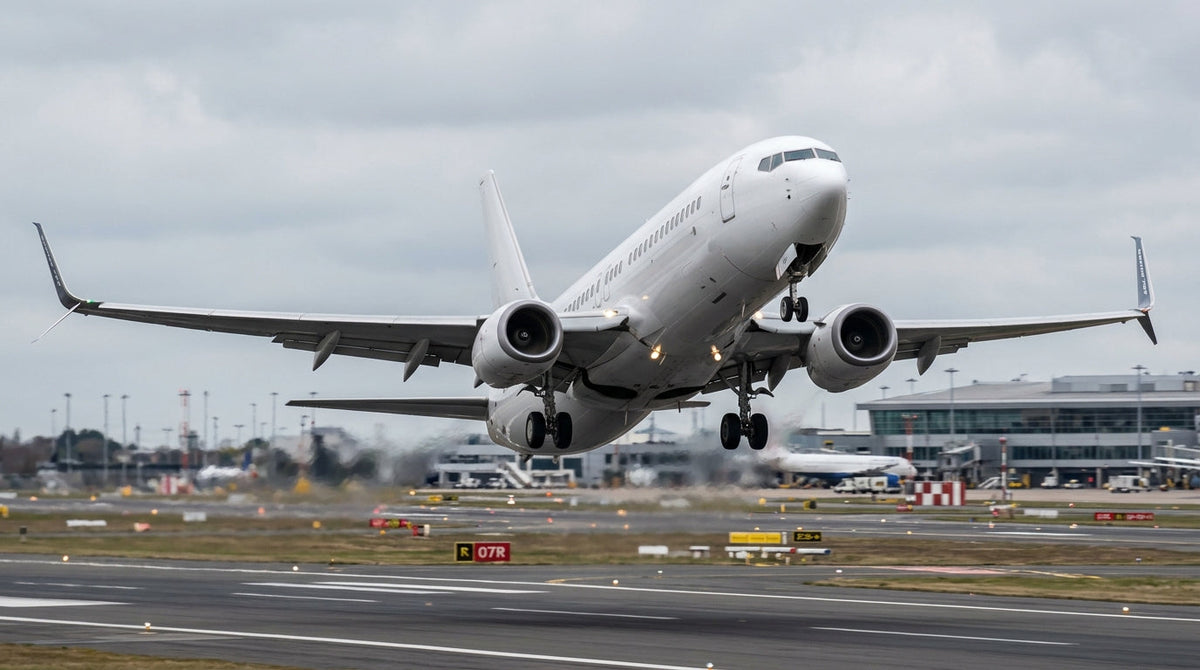
You are moments from landing, the runway filling the windows, when suddenly the engines spool up and the aircraft climbs away again. It can feel alarming, but a go-around is one of the safest and most routine manoeuvres in aviation — a deliberate decision to abandon a landing and try again. Here is why pilots do it.
What a go-around is
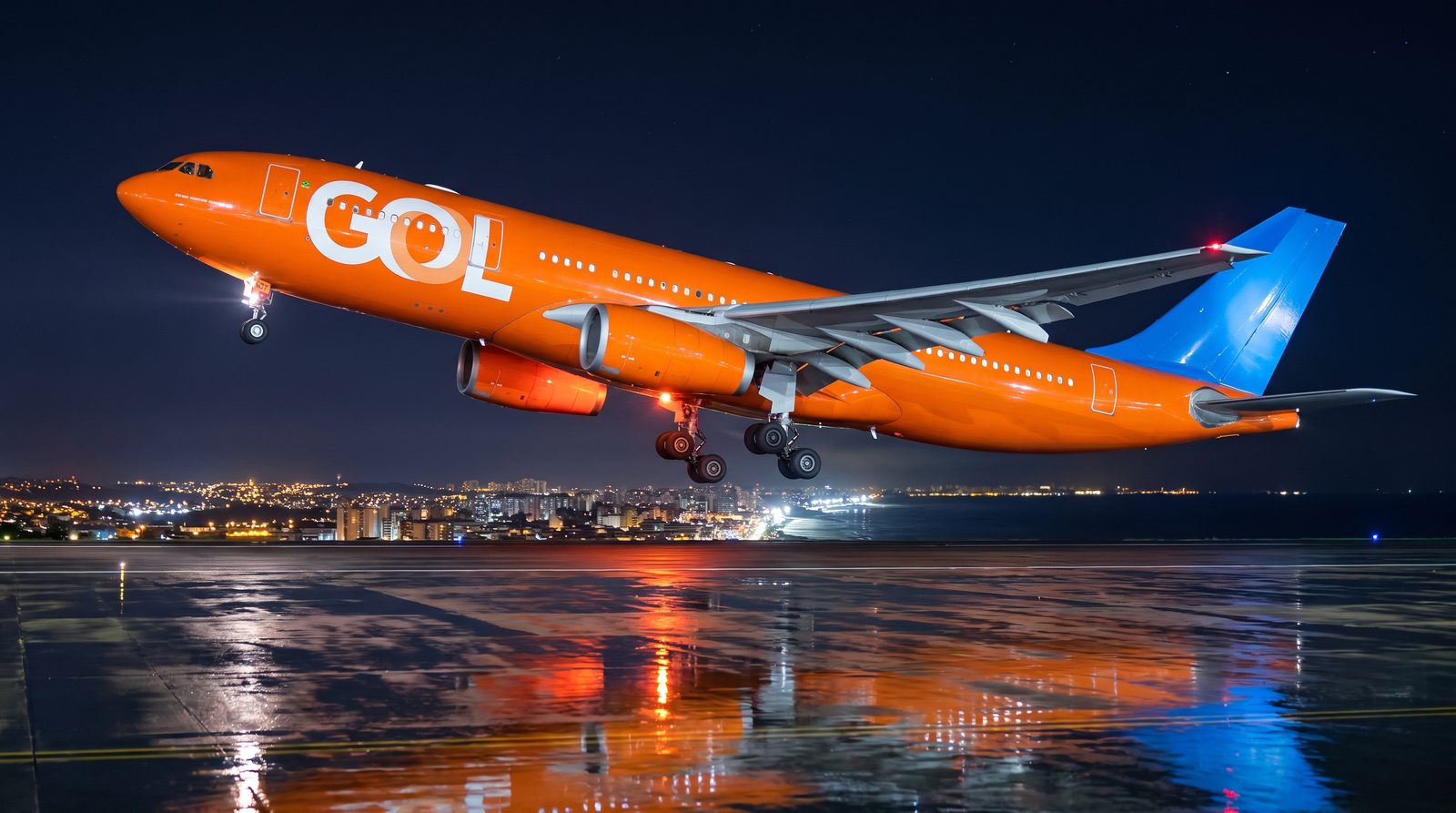
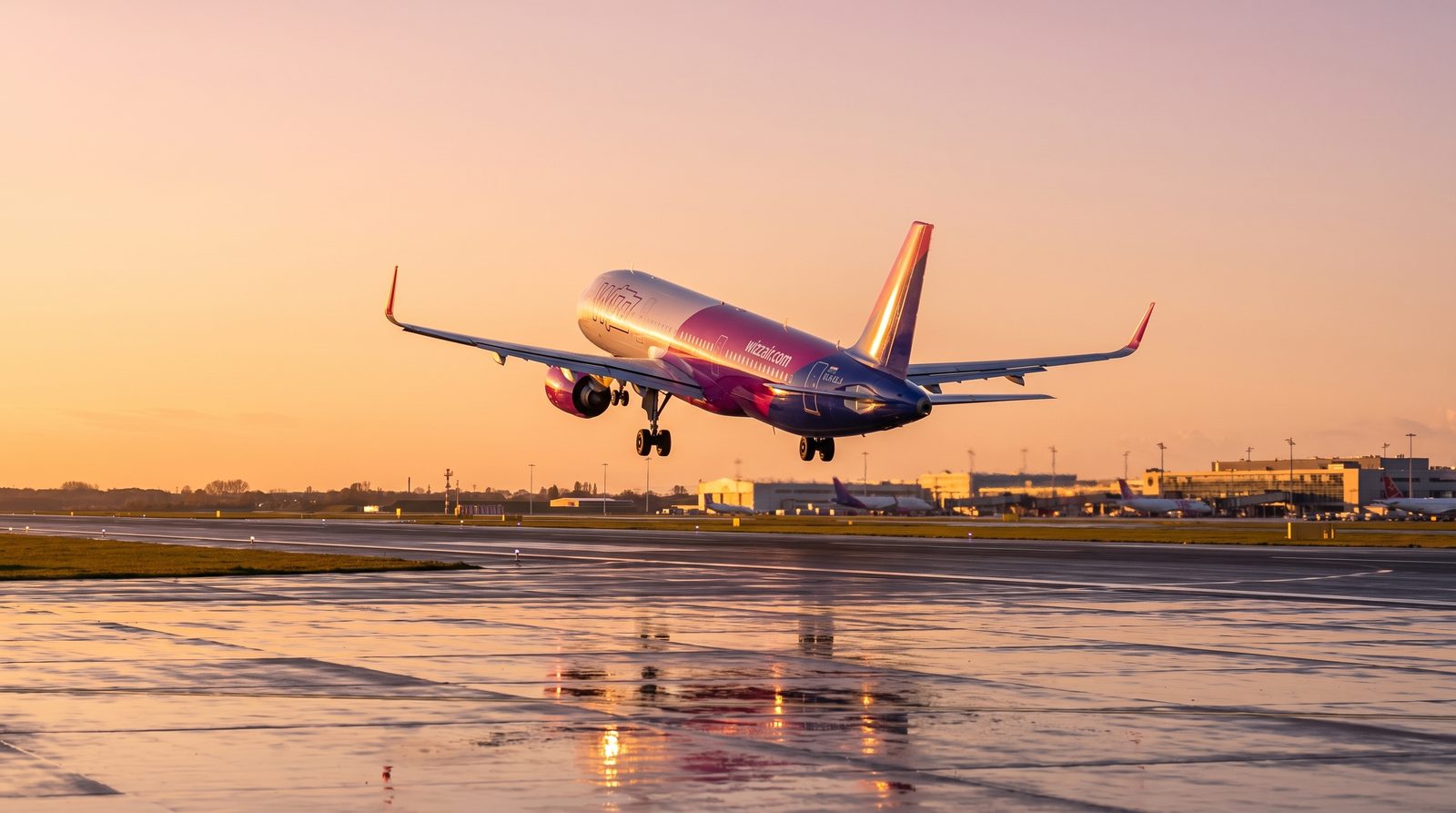
A go-around, sometimes called a missed approach, is simply the decision to stop an approach and climb back to a safe altitude rather than continue to touchdown. Pilots advance the thrust levers, raise the nose to a climb attitude, retract the landing gear and flaps in stages, and follow a published procedure that takes the aircraft safely back up and around for another attempt or a diversion.
Why pilots go around
There are many reasons, and almost all of them are about caution rather than crisis. The runway might not be clear — another aircraft may still be on it, or a vehicle may have strayed onto it. The approach might become unstable: too high, too fast, not properly lined up, or not configured for landing by a set point. Sudden wind shifts, gusts or a strong crosswind can make a touchdown risky. Air traffic control may instruct the crew to go around to maintain separation from other traffic. Or the pilots may simply not be satisfied with how the approach is developing.
The stabilised approach concept
Modern airlines build go-arounds around the idea of a stabilised approach. By a certain height above the runway — often around 1,000 feet in cloud or 500 feet in clear conditions — the aircraft must be fully configured for landing: on the correct path, at the right speed, with gear and flaps set, and descending at a normal rate. If it is not stabilised by that gate, the rule in most airlines is unambiguous: go around. Removing judgment from the heat of the moment is exactly the point.
A trained, practised manoeuvre
Pilots practise go-arounds regularly in the simulator, including the demanding case of an engine failure during the climb-out. The manoeuvre is part of every approach briefing, so the crew has already rehearsed it in their minds before they ever begin the descent. Because it is briefed and trained, executing one is methodical rather than frantic: a callout, a set of actions and a known path to follow.
What passengers experience
From the cabin, a go-around is unmistakable. The engines surge to high power, the aircraft pitches up and climbs, and there may be a few moments of firmer manoeuvring as the gear and flaps move. It can be surprising, but it is not dangerous — quite the opposite. A go-around means the crew judged that a safe landing was not assured and chose to reset rather than press on. The aircraft will usually circle around for another approach, and most second attempts land without incident.
Caution, not failure
It is worth remembering that a go-around is a sign of good airmanship, not a mistake. Aviation safety is built on the willingness to discontinue anything that does not look right and start again from a position of safety. The next time your flight climbs away from the runway at the last moment, you are watching that philosophy in action: a careful, well-rehearsed decision that puts safety ahead of schedule.
AviationShop Editorial Desk. Featured image: AI-generated by AviationShop. By Daniel Okafor.








Comments
Loading comments…