


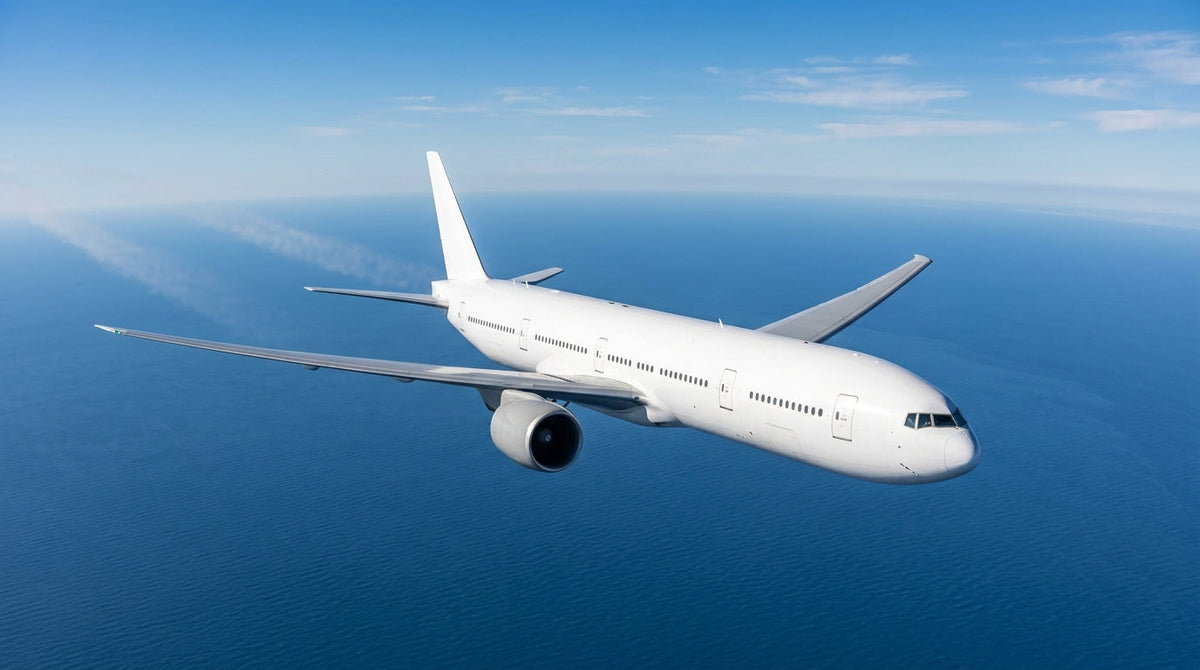
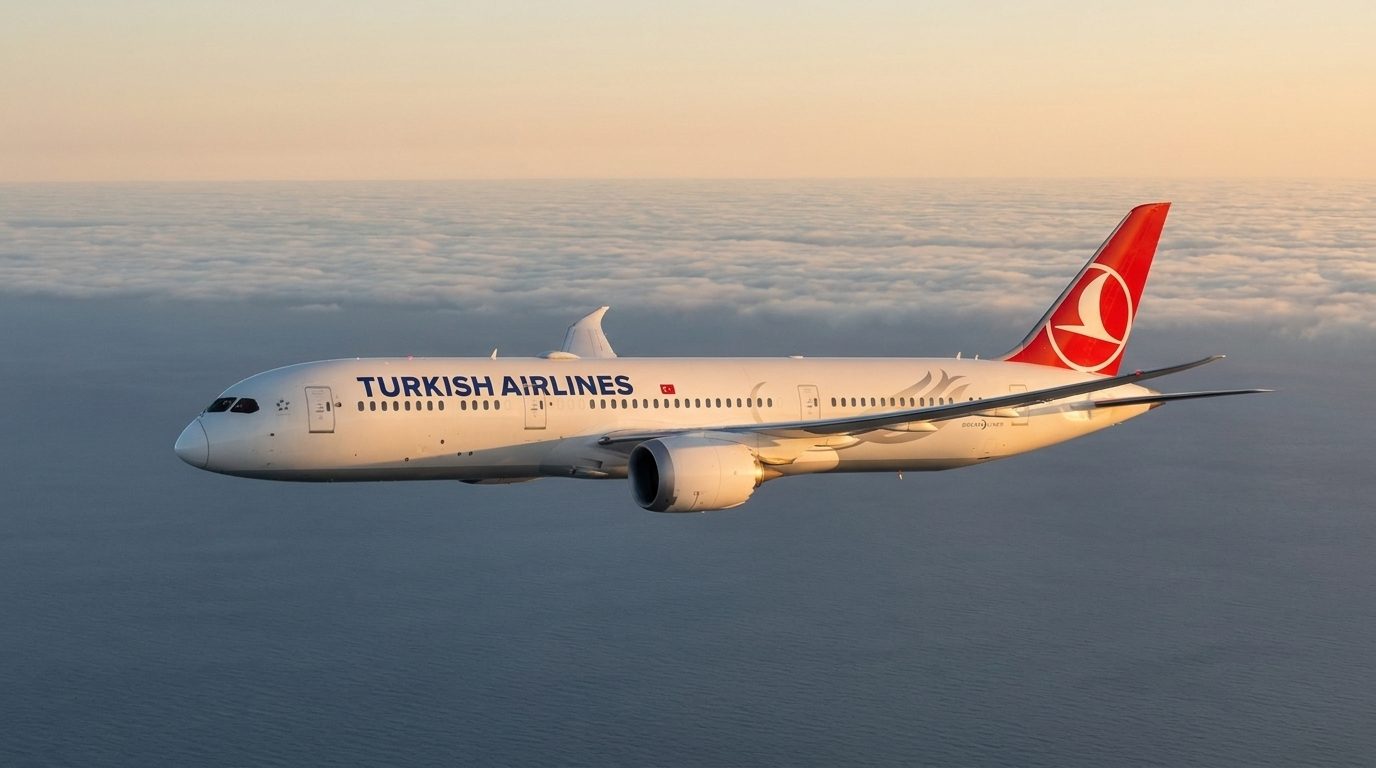
Look at a modern long-haul route map and you will see twin-engine jets like the Boeing 777, 787 and Airbus A350 flying vast distances over oceans and polar wastes, often hours from the nearest runway. For decades that was forbidden. The rule that changed everything is called ETOPS, and it quietly reshaped global aviation.
What the acronym means
ETOPS originally stood for Extended-range Twin-engine Operational Performance Standards. Regulators now increasingly use the broader term EDTO, Extended Diversion Time Operations, but ETOPS remains the word everyone in the industry uses. Pilots have their own affectionate translation: Engines Turn Or Passengers Swim.
Why the rule existed at all
In the piston era, engines failed often enough that aircraft crossing oceans were expected to have three or four of them for redundancy. As the jet age arrived, a conservative safety rule took hold: a twin-engine airliner had to stay within 60 minutes' flying time of a suitable diversion airport, in case one engine failed and the aircraft had to limp to the ground on the other. That 60-minute rule effectively banned twins from the great ocean crossings, leaving long-haul flying to thirsty three- and four-engine aircraft.
How engine reliability rewrote the map
By the 1980s, jet engines had become extraordinarily reliable, with in-flight shutdowns becoming genuinely rare. Regulators agreed that a well-built twin could safely be allowed to fly farther from a diversion airport, provided the airline proved it could do so responsibly. The first approvals stretched the limit to 120 minutes, then 180, opening the Atlantic to twins. Later ratings reached 207, 240 and even 330 minutes or more, enough for a single aircraft to cross almost any ocean on Earth with two engines.
What an ETOPS rating actually requires
An ETOPS rating is not a box an airline simply ticks. It is earned and maintained through strict standards covering several areas at once. The engines and airframe must demonstrate proven reliability. The aircraft must carry extra redundancy in systems such as electrical power, hydraulics and fire suppression so that it can continue safely on one engine for hours. Crews receive specific training for single-engine diversions and decision-making far from land. Maintenance is performed under enhanced procedures, sometimes with different technicians working on each engine to avoid a common error affecting both. And before every long flight, dispatchers must confirm that suitable diversion airports along the route are open and weather-acceptable within the aircraft's approved diversion time.
The payoff for passengers
The result of all this rigour is the modern long-haul network we take for granted. Twin-engine jets are lighter and far more fuel-efficient than the four-engine giants they replaced, which means lower costs, lower emissions and the ability to serve thinner routes that could never support a jumbo. Aircraft such as the 787 and A350 owe their entire business case to ETOPS. So the next time you settle in for a nonstop flight halfway around the world on a twinjet, you are flying on a hard-won foundation of engineering reliability and meticulous planning, not luck.
AviationShop Editorial Desk. Featured image: AI-generated by AviationShop. By Elena Vargas.




Comments
Loading comments…