


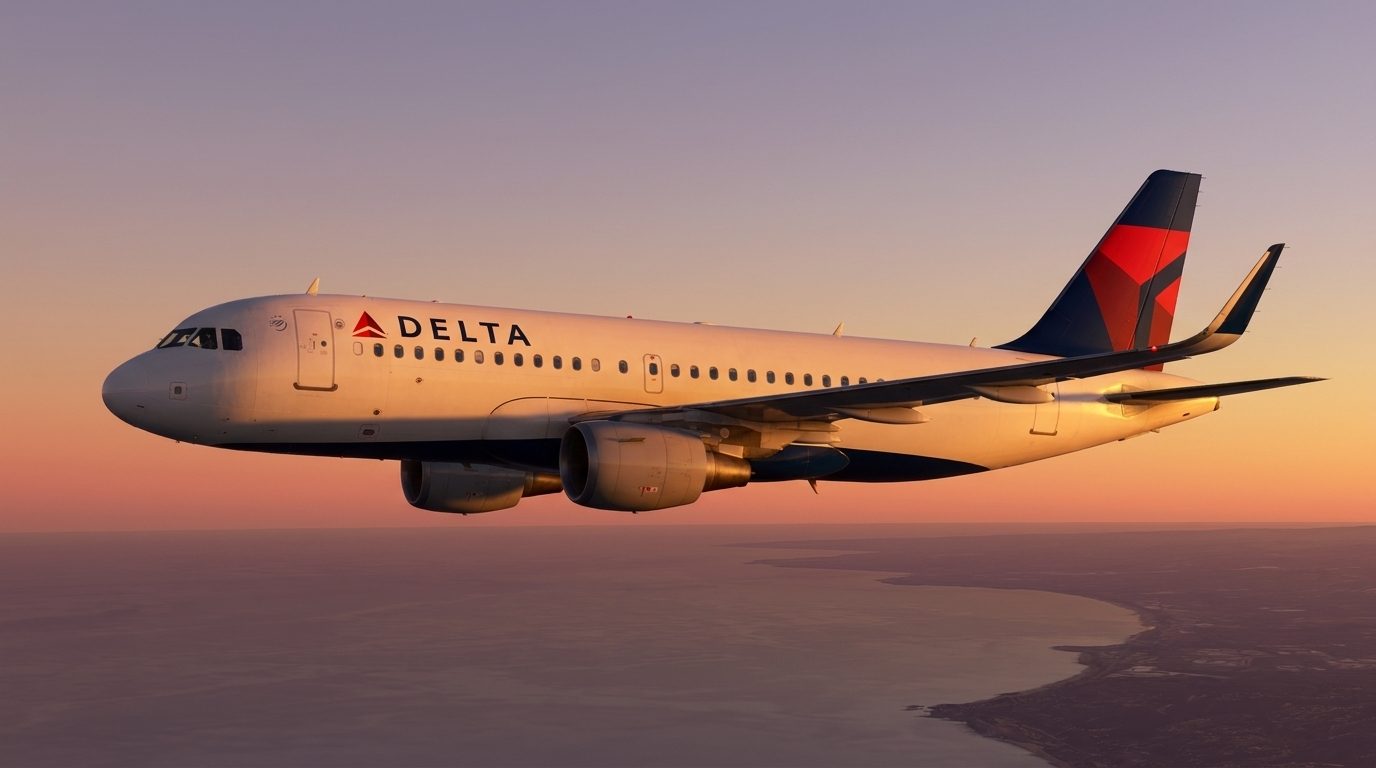
Air Canada has begun deploying its newly acquired Airbus A321XLR aircraft on three US routes, marking a significant milestone in the carrier's fleet modernization and network expansion strategy. The A321XLR, Airbus's extended-range variant of the A321neo, represents a new generation of fuel-efficient narrowbody aircraft designed to bridge the gap between regional turboprops and widebody jets on routes spanning 4,000 to 4,700 nautical miles. This deployment underscores Air Canada's commitment to enhancing capacity, reducing operating costs, and improving passenger comfort on long-range North American services. Air Canada will fly the A321XLR up to 12 times weekly between Montreal and Los Angeles from October 25, add Toronto–Los Angeles service in December, and operate Montreal–Miami on select December dates. Each of these aircraft seats 182 passengers, with 14 lie-flat business class seats and 168 in economy.
The Airbus A321XLR is purpose-built for airlines seeking to deploy single-aisle economics on traditionally widebody-operated routes. The aircraft can carry roughly 180 to 220 passengers depending on configuration, while offering meaningful fuel efficiency improvements over earlier-generation narrowbodies. Its new-generation engines deliver improved fuel burn and lower emissions, aligning with industry sustainability goals and Air Canada's carbon reduction objectives. The extended range capability allows the carrier to operate point-to-point services that previously required hub connections or larger aircraft, fundamentally reshaping route profitability metrics across its network.
Air Canada's introduction of the A321XLR into commercial service comes as the airline continues to modernize its fleet following the pandemic. The carrier has placed substantial orders for next-generation aircraft, including Boeing 787 Dreamliners and additional Airbus narrowbodies, to replace aging widebodies and regional equipment. The A321XLR deployment on US routes reflects a broader industry trend where carriers are optimizing their fleets for post-pandemic travel patterns, which have favored leisure and city-pair connectivity over traditional hub-and-spoke models. Airlines operating the A321XLR benefit from lower seat-mile costs, reduced crew and maintenance expenses, and the operational flexibility of single-aisle aircraft paired with intercontinental range.
The three US routes selected for A321XLR deployment represent Air Canada's assessment of demand patterns and competitive positioning in the North American market. By introducing this aircraft type on US services, Air Canada can offer enhanced frequencies and improved schedule convenience compared to previous widebody-only operations, while simultaneously reducing capacity on routes that may not require the payload of larger aircraft. The A321XLR's range permits non-stop operations from Canada to secondary and tertiary US markets, a capability that strengthens Air Canada's competitive position against both US carriers and other international airlines serving similar city pairs.
From an operational perspective, the A321XLR's entry into Air Canada's fleet requires crew training, maintenance infrastructure development, and supply chain integration for spare parts and technical support. Airbus provides comprehensive support packages to operators, and Air Canada's existing familiarity with the A320 family facilitates rapid adoption of the A321XLR variant. The aircraft's commonality with the A320neo and A321neo in cockpit design, systems architecture, and pilot qualification reduces training burden and allows cross-fleet crewing flexibility, optimizing Air Canada's human capital deployment across its growing narrowbody operations.
The deployment also signals Air Canada's confidence in sustained demand recovery across US markets and reflects the airline's strategic pivot toward efficient, right-sized capacity deployment. Industry analysts note that A321XLR operators report strong unit economics, with yields supporting premium cabin products and services that enhance passenger experience and revenue per available seat-mile. Air Canada's positioning of the A321XLR on US routes demonstrates how modern aircraft technology enables carriers to compete more effectively on long-range routes while maintaining lower operating costs and environmental profiles that resonate with both corporate and leisure travelers increasingly focused on sustainable aviation practices.
As Air Canada continues to integrate the A321XLR into its operational network, the airline is expected to evaluate further expansion of the aircraft type, potentially extending service to additional US markets and possibly transcontinental routes within North America. The success of this initial deployment will inform fleet planning decisions and may accelerate timelines for future A321XLR deliveries from Airbus. For passengers, the deployment promises enhanced schedule convenience, modern cabin amenities, and potentially improved pricing through optimized unit costs—outcomes that reflect Air Canada's strategy to leverage advanced aircraft technology for competitive advantage in an increasingly price-sensitive and environmentally conscious market.
Sources: Simple Flying, Air Canada. Featured image: AI-generated by AviationShop. By Elena Vargas.



Comments
Loading comments…