


Airbus is targeting 2030 as the launch date for a successor to the A320 family, signaling the aircraft manufacturer's confidence in moving forward with a next-generation single-aisle program that will define commercial aviation for decades to come. The timeline underscores Airbus's commitment to developing an aircraft that addresses evolving sustainability requirements, operational efficiency demands, and the long-term fleet modernization cycles of global carriers. With the A320 family having dominated the narrow-body market since 1988, the successor program represents one of the most consequential aircraft development initiatives in the industry.
The A320 family has become the cornerstone of commercial aviation, with thousands of aircraft in service across every continent. Its longevity and market dominance reflect not only the design's fundamental soundness but also the continuous evolution of the platform through the A320neo, which introduced CFM LEAP and Pratt & Whitney GTF engines for substantial fuel burn and emissions reductions. The successor aircraft will need to build on this legacy while incorporating advances in materials, propulsion technologies, and systems architecture that are expected to mature over the next several years. A program launch around 2030, with an engine selection targeted for 2027, would position the aircraft for entry into service around 2037 to 2038, in line with a typical development and certification cycle.
Airbus's decision to move forward with a formal program reflects confidence in the investment case for a clean-sheet design rather than pursuing an extended derivative of the A320neo. The next-generation aircraft will need to address regulatory pressure on carbon emissions, noise reduction, and potentially alternative propulsion pathways including hybrid-electric or hydrogen technologies as they mature. Airlines have consistently signaled demand for improved economics and environmental performance, making the business case compelling despite the substantial capital requirements for a new program. The successor will compete directly with Boeing's potential narrow-body developments and other potential entrants exploring advanced single-aisle concepts.
The 2030 timeline also reflects industry understanding of the regulatory and technological landscape. Certification authorities worldwide are progressively tightening emissions standards, and fuel costs remain a primary driver of airline profitability. An aircraft entering service in the late 2030s would align with the advanced propulsion technology maturation cycles and composite structures manufacturing capabilities expected to be available by then. Airbus has accumulated decades of experience managing large-scale aircraft programs, and the A320 successor will benefit from lessons learned across its entire portfolio, from the A350 XWB wide-body program to the regional-focused A220.
For airlines, the prospect of a new single-aisle aircraft carries significant strategic considerations. Carriers operate the A320 family extensively on trunk routes, short-haul international services, and high-frequency domestic networks where fuel efficiency and operating costs directly impact profitability. A successor with meaningfully improved economics could accelerate retirement of older narrow-body aircraft and reshape fleet plans. The competitive pressure from Boeing, along with the entry of potential new manufacturers in the single-aisle market, makes timely innovation critical for Airbus's market position.
The 2030 launch target also signals Airbus's confidence in supply chain resilience and manufacturing capacity planning. A new program of this magnitude requires coordinated development across hundreds of suppliers, establishing new production facilities, and training a skilled workforce. The company's experience launching the A220 production ramp and managing A320 family manufacturing at multiple sites worldwide provides operational foundation for such an undertaking. Industry observers will be watching closely for formal program launch announcements, which typically trigger supplier selection, detailed trade studies, and financial commitments from launch customers.
The successor program represents more than a simple aircraft replacement; it embodies the industry's response to environmental imperatives, economic pressures, and technological advancement. By targeting 2030, Airbus is positioning itself to lead the next generation of single-aisle aviation while maintaining competitive advantage in the world's largest commercial aircraft market segment.
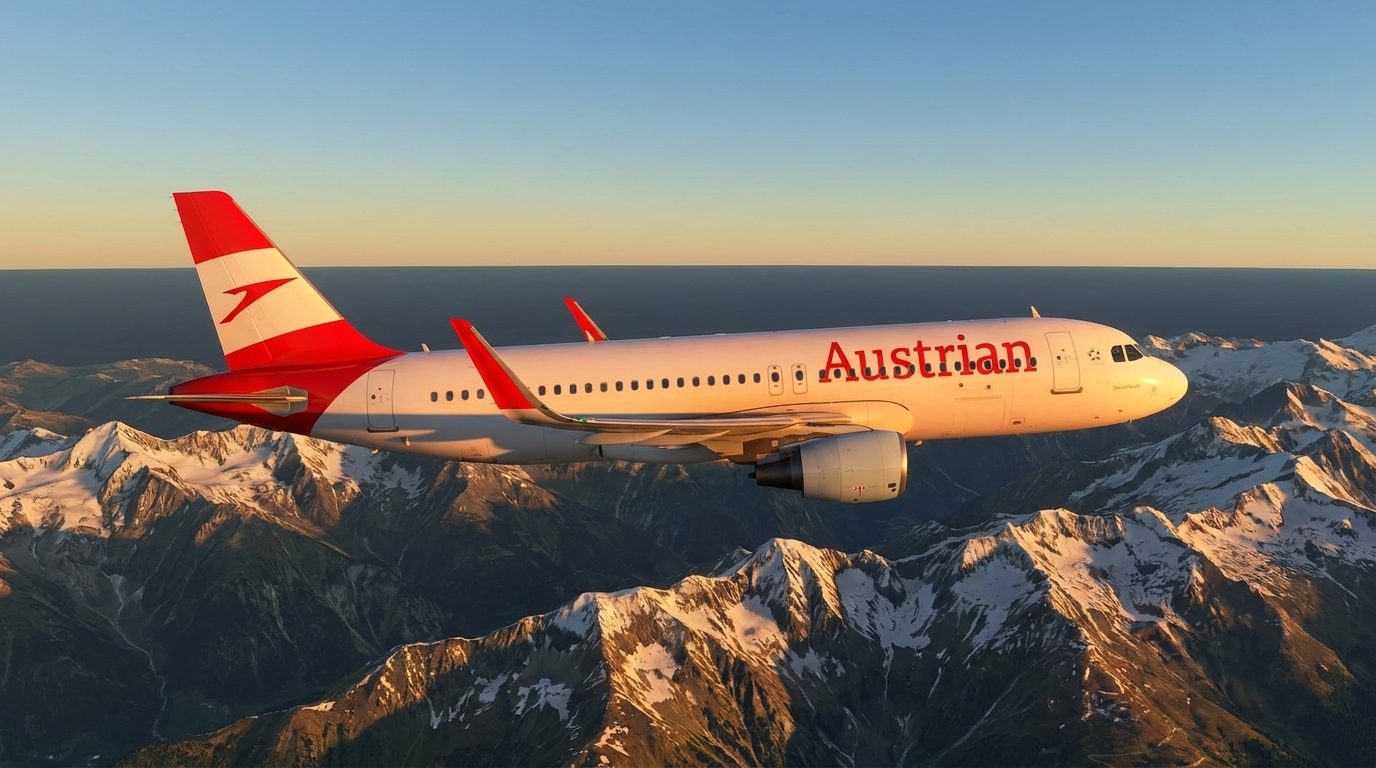
Sources: Aviation Week, Leeham News. Featured image: AI-generated by AviationShop. By Marco Bianchi.


Comments
Loading comments…