


Air India has launched its first direct service between Hanoi and Delhi, opening a new corridor between Vietnam and India that the carrier says reflects rapidly rising demand for travel and trade between the two countries. The new flights began in May 2026 and are operated five times a week using Airbus A320neo aircraft.
The route connects Noi Bai International Airport in Hanoi with Indira Gandhi International Airport in Delhi, with timings designed to feed Air India's dense domestic and international network onward from its Indian hub. For Vietnamese passengers, this provides a one-stop link to North America, Europe and the Middle East via Delhi.
Filling a Long-Standing Gap
Until now, the Hanoi–Delhi market was served only via connections through hubs in Southeast Asia and the Gulf, despite increasingly close economic ties between India and Vietnam. Bilateral trade in goods and services has expanded sharply over the past decade, and tourism flows have followed, particularly from Indian travellers visiting Vietnam's beaches, heritage sites and emerging luxury hotels.
By opening a direct corridor between the two capitals, Air India bypasses several of those traditional connecting points and improves total travel time on what had become an increasingly important business route. The use of the A320neo also signals confidence in steady year-round demand rather than purely seasonal traffic.
Strategic Move for Air India's Network
The Hanoi launch fits into Air India's broader post-merger strategy. Following the integration with Vistara and the Tata Group's wider aviation consolidation, Air India has been quietly reshaping its short and medium-haul map, dropping unprofitable routes while doubling down on markets where the airline can offer a clearly differentiated product. Southeast Asia, with its mix of corporate, leisure and visiting friends and relatives traffic, sits at the centre of that plan.
Air India is also using the new generation A320neo to push deeper into routes that previously sat at the edge of single-aisle range. The narrow-body fleet, with improved fuel burn and longer range than older A320 family aircraft, gives the airline more flexibility to test routes like Hanoi without committing widebody capacity.
What's Next
Air India has not yet confirmed when or if it will increase frequencies on the Hanoi–Delhi route, but the carrier has previously indicated that it is actively studying additional Southeast Asian gateways as part of a broader push to be the leading Indian airline in the region. If the new route performs as expected, daily service and onward connections to other Vietnamese cities such as Ho Chi Minh City could follow in subsequent seasons.
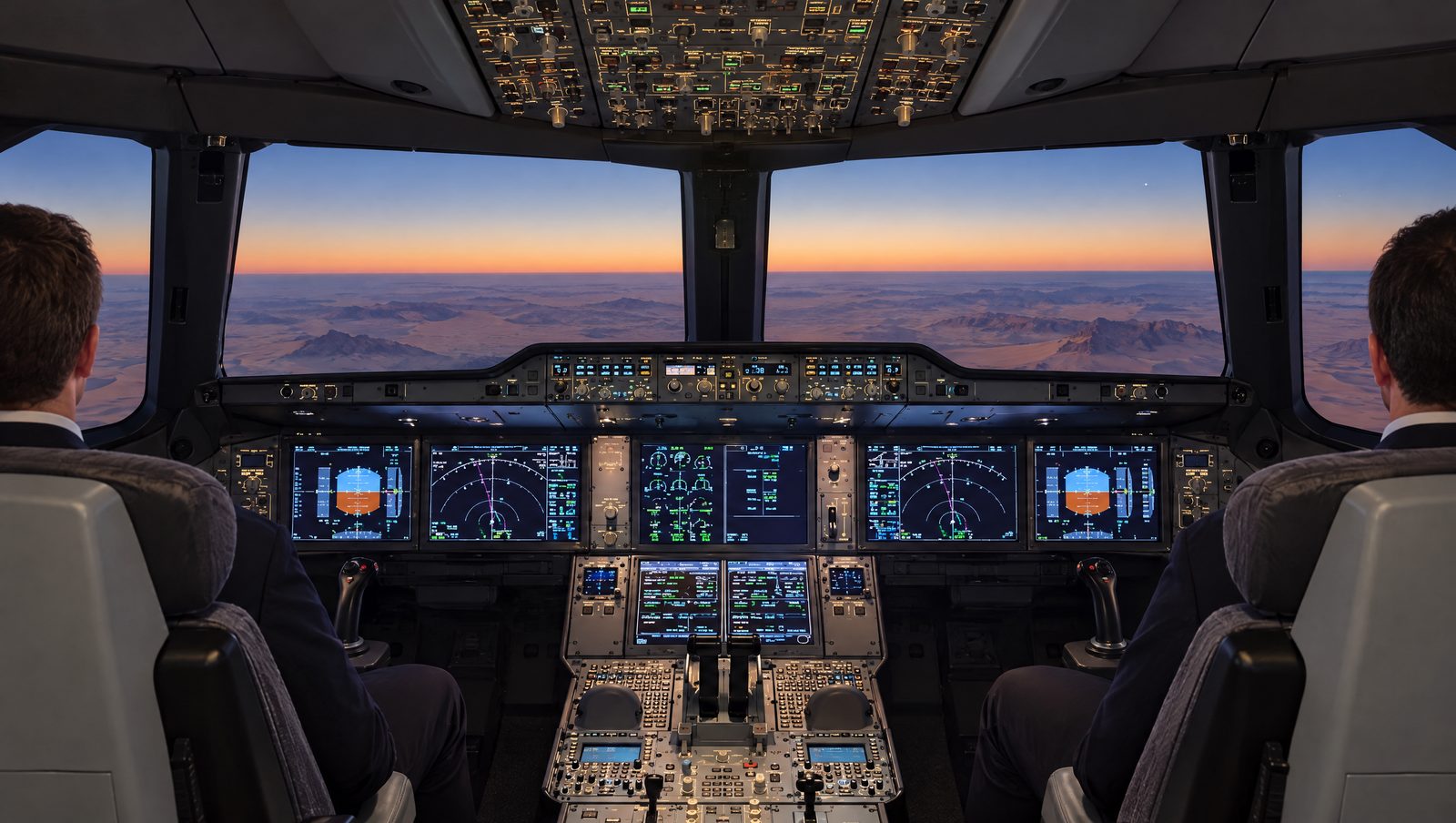
Compiled from publicly available aviation news sources. Featured image: AI-generated by AviationShop. This article is original editorial content; facts have been verified across multiple public sources.






Comments
Loading comments…