


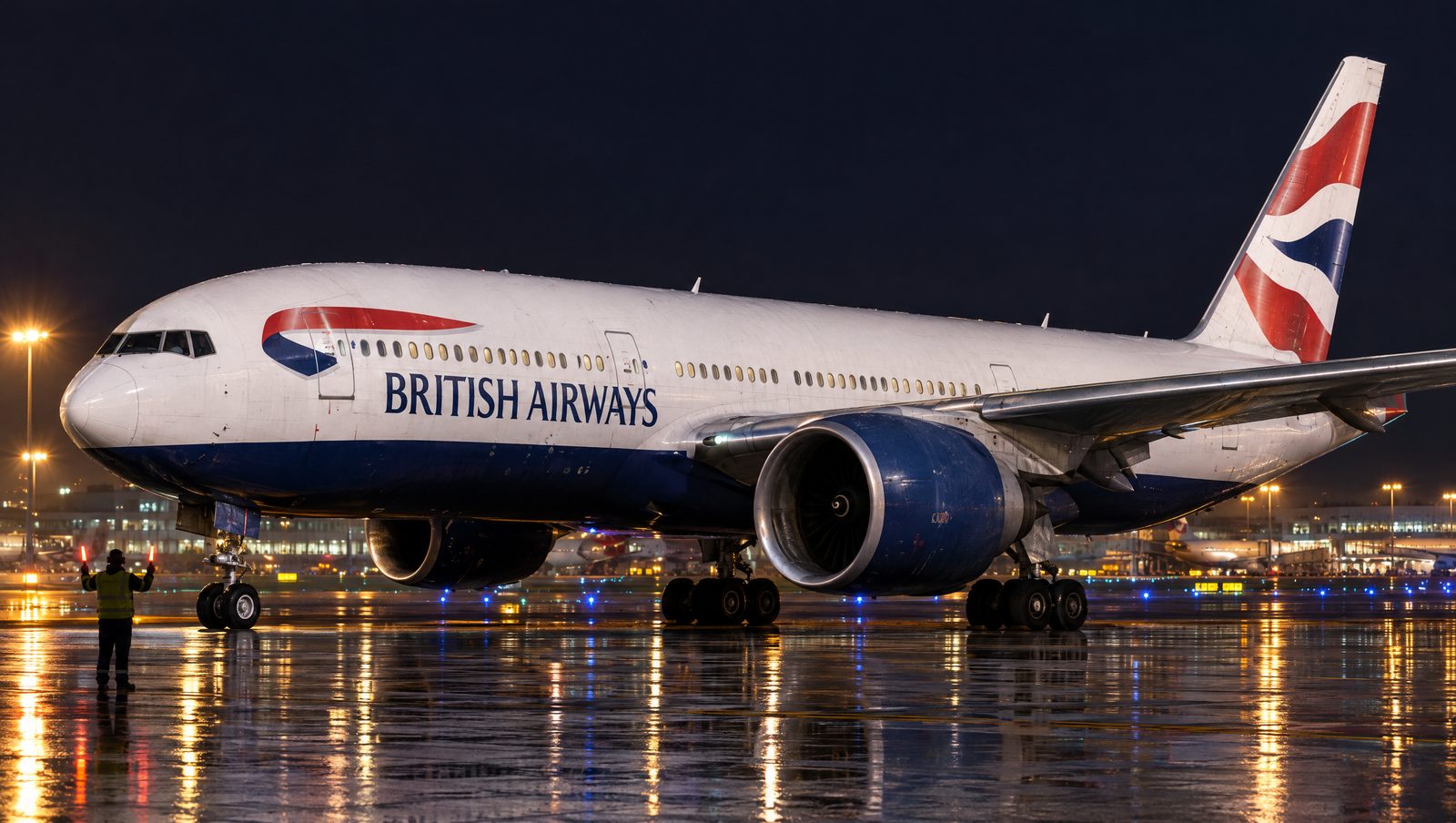
London Heathrow says demand for takeoff and landing slots still outstrips what the two-runway hub can offer, with more than 40 airlines currently seeking access. The airport made the claim on October 12, 2026, as reported by AeroTime, tying the shortage to its campaign for a third runway and a refreshed national policy statement on expansion.
Airlines choosing competing hubs
Heathrow management argued that without more capacity, carriers are forced to choose competing hubs overseas, taking connectivity, trade and growth away from the UK. A spokesperson said airports across Britain — including Aberdeen, Belfast City, Cornwall Newquay, Glasgow, Leeds, Newcastle and Teesside — want Heathrow to expand so regional feed and long-haul connections can grow.
CEO Thomas Woldbye is due to give evidence to Parliament's Transport Select Committee on the Heathrow Expansion National Policy Statement, which MPs are reviewing. "This is not simply an investment in an airport. It is an investment in the UK's future competitiveness," Woldbye said, arguing that private investment is available and that other international hubs continue to grow while Heathrow remains capped.
Political headwinds
Expansion remains contested. AeroTime noted that in a September 2026 interview the UK prime minister appeared not to back a third runway, and London mayor Sadiq Khan has long opposed further growth. Heathrow countered that a coalition of politicians, unions, businesses, regional airports and airlines supports the project, and that polling it cites shows 68 percent of local people favour progressing expansion.
Slot scarcity at Heathrow is a long-running commercial fact: peak runway times are among the most expensive and tightly held in Europe, and new entrants rarely win meaningful morning banks without trading or the rare release of historic rights. The more than 40 airlines figure puts a number on latent demand that the airport wants ministers to weigh against environmental and noise objections.
What to watch
The immediate next step is Woldbye's committee appearance and whatever signal the policy review sends about planning rules. A green light would still leave years of consenting, financing and construction before a third runway could move metal. Until then, airlines seeking new Heathrow routes will keep competing for a fixed pool of slots — or place that flying in Amsterdam, Paris, Istanbul or Middle Eastern hubs instead.
Heathrow did not publish a list of the 40-plus carriers in the AeroTime report. The operational message for passengers is simpler: the UK's busiest airport remains full at the times airlines want most, and expansion politics will decide whether that changes this decade.
For airlines already at Heathrow, the lobbying matters because expansion would eventually create new slot pairs that can be allocated under EU and UK slot rules, potentially easing the secondary market premiums that have made peak Heathrow rights some of the most valuable intangible assets in aviation. Regional UK airports named by Heathrow see expansion as a way to restore or grow domestic feed into long-haul banks that today are hard to access.
Environmental groups and residents under flight paths continue to argue that a third runway would lock in higher noise and emissions for decades. The HENPS process is where those arguments meet the government's planning framework. Woldbye's appearance before MPs is designed to keep the economic and connectivity case on the record while the political climate remains uncertain.
Until policy clears, the practical advice for carriers and passengers is unchanged: Heathrow peak capacity is effectively full, new entrants face a steep climb, and competing European and Gulf hubs will keep winning routes that cannot find a home in west London.







Comments
Loading comments…